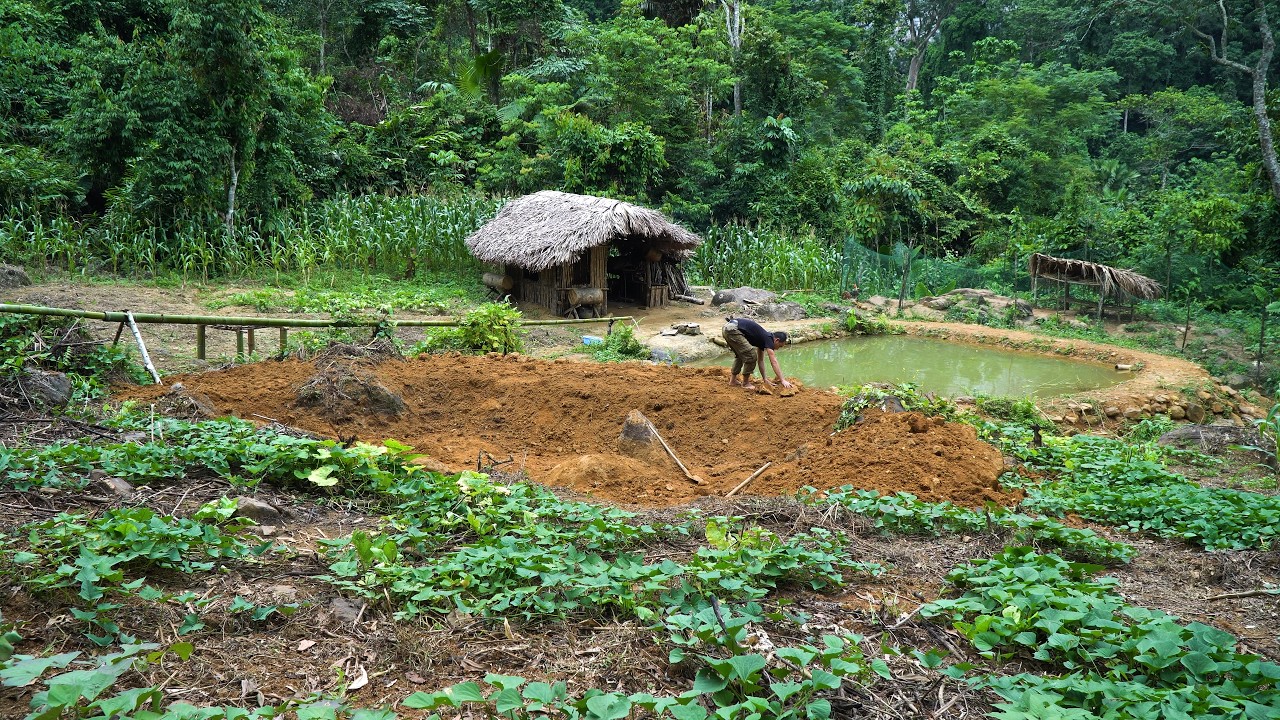
When the skies open up and the rain won’t stop, off-grid farming shifts from routine chores to a genuine test of resilience and adaptability. In this episode from Mr Deep’s long-running off-grid living series, we see exactly what it takes to keep a working farm operational when heavy rain and relentless winds make outdoor work nearly impossible. From emergency repairs to protecting crops and livestock, the challenges are real — and the solutions are hard-won through years of trial and error on the land.
For anyone already homesteading off-grid or planning the transition to self-reliant living, this video offers practical, field-tested lessons about weathering storms — literally. You’ll learn how experienced off-gridders adapt their daily routines during extended periods of bad weather, keep essential systems running when conditions deteriorate, and use downtime productively to strengthen their homestead for whatever comes next.
The reality of off-grid life is that every storm is a teacher, and every repair is an investment in future resilience. The homesteaders who thrive are the ones who plan for the worst weather they’ll face — not the best — and build their systems accordingly. This video captures that mindset in action, showing both the struggle and the strategy behind successful off-grid farming in harsh conditions.
Key Survival Takeaways
- Weather adaptation is a core off-grid skill: When heavy rain makes outdoor work impossible, experienced homesteaders pivot to indoor tasks like equipment maintenance, food preservation, and planning. Flexible scheduling around weather windows is essential for keeping a farm productive year-round.
- Infrastructure must be built to withstand storms: Off-grid structures — from animal shelters to crop covers — need to be engineered for the worst conditions, not the average ones. Reinforcing buildings before storm season can prevent catastrophic losses that set your homestead back months.
- Water management cuts both ways: Heavy rain can overwhelm drainage systems, flood growing areas, and contaminate water supplies. Properly designed swales, drainage channels, and elevated crops protect your investment while capturing valuable rainwater for dry periods.
- Morale matters during isolation: Extended bad weather can take a psychological toll when you’re living remotely without modern distractions. Building a routine, staying busy with meaningful projects, and maintaining communication with the outside world all help sustain mental resilience.
- Redundancy in power systems is non-negotiable: Solar panels produce less in cloudy, rainy conditions just when you need power most for tools and communication. Backup power systems — whether wind, micro-hydro, or generator — ensure you stay operational when your primary source underperforms.
- Livestock need extra protection in storms: Animals are vulnerable to cold, wet conditions, and shelter damage during high winds. Having contingency plans for relocating animals and securing feed during weather events prevents losses that are hard to recover from.
- Use downtime for systems maintenance: Rainy days are ideal for sharpening tools, repairing fencing, servicing generators, and restocking first-aid supplies. Treating bad weather as an opportunity rather than a setback is a mindset that separates thriving off-gridders from struggling ones.
Gear and Equipment for Off-Grid Weather Resilience
Building a weather-resilient homestead requires the right tools and systems. A reliable portable solar panel kit ensures you can keep batteries charged even when you need to reposition panels for maximum light during overcast stretches. For water management, a heavy-duty rain barrel water collection system captures storm runoff for irrigation and livestock use during dry periods. Every off-grid setup needs a portable backup generator for when solar underperforms during extended cloudy weather. For protecting your structures, stock up on heavy-duty waterproof tarps to cover firewood, equipment, and temporary shelter repairs. Finally, a quality pair of waterproof work gloves lets you handle outdoor repairs safely and comfortably in cold, wet conditions.
As an Amazon Associate, we earn from qualifying purchases.
Conclusion
Living off-grid means accepting that the weather will not always cooperate — and preparing accordingly. This video from Mr Deep’s series captures the unglamorous but essential reality of rebuilding and maintaining a working farm through relentless rain. The homesteaders who thrive are the ones who treat every storm as a learning opportunity, invest in resilient infrastructure before they need it, and maintain the mental fortitude to keep going when conditions are at their worst. Plan for the worst weather you’ll face, not the best, and your off-grid life will be built to last.