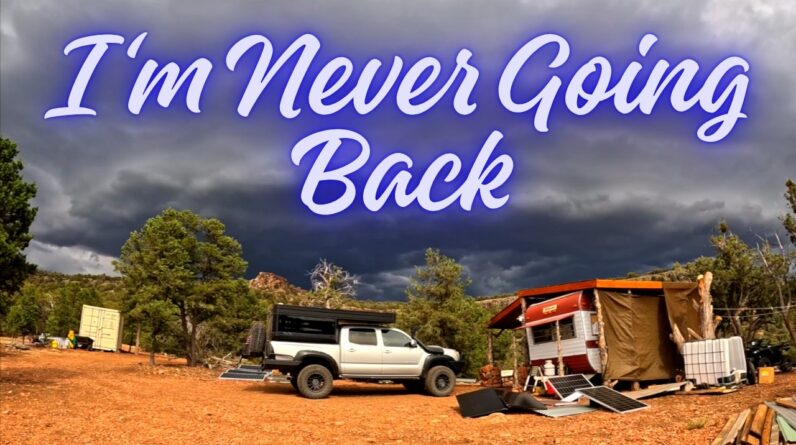
The dream of living off the grid has captured the imagination of millions — buying a piece of land, building a cabin, generating your own power, and living on your own terms. But as more people attempt to make this lifestyle a reality, many are discovering a web of zoning laws, building codes, and municipal regulations that can make off-grid living surprisingly difficult — and in some cases, outright illegal.
In this video, Sean Gatz explores the legal landscape of off-grid living, breaking down where the law supports self-reliant lifestyles and where it creates barriers. You will learn about the key regulatory hurdles — from building permit requirements and minimum square footage laws to water rights restrictions and waste disposal mandates — along with practical strategies for navigating them. Whether you are planning a full off-grid homestead or just want more independence on your current property, understanding these legal frameworks is essential before you invest time and money.
Key Survival Takeaways
- Zoning laws are the first hurdle: Most counties classify land as residential, agricultural, or mixed-use. Off-grid living often conflicts with residential zoning requirements that mandate connection to municipal utilities. Research your county’s zoning code before buying land to confirm off-grid living is permitted.
- Building codes enforce minimum standards: Many jurisdictions require building permits, inspections, and compliance with the International Residential Code (IRC). Tiny homes and DIY cabins may violate minimum square footage or foundation requirements. Some rural counties offer building code exemptions for agricultural structures.
- Water rights vary dramatically by state: In western states, rainwater collection is heavily regulated under prior appropriation doctrine. Eastern states generally follow riparian rights, allowing more flexibility. Always check your state’s water rights laws before planning rainwater catchment or well drilling.
- Sewage and waste disposal regulations are non-negotiable: Most counties require an approved septic system or connection to municipal sewer. Composting toilets and greywater systems may be legal but often require specific permits and certified equipment.
- Solar power is broadly protected: Many states have solar rights laws that prevent HOAs and municipalities from banning rooftop solar. Off-grid solar systems are generally legal, though some areas require electrical permits and inspection for battery storage systems.
- Choose the right state and county: States like Missouri, Texas, Alaska, and parts of Tennessee have favorable off-grid laws with minimal building code enforcement in rural counties. Research is your most powerful tool — county-level regulations matter more than state-level ones.
Gear & Equipment
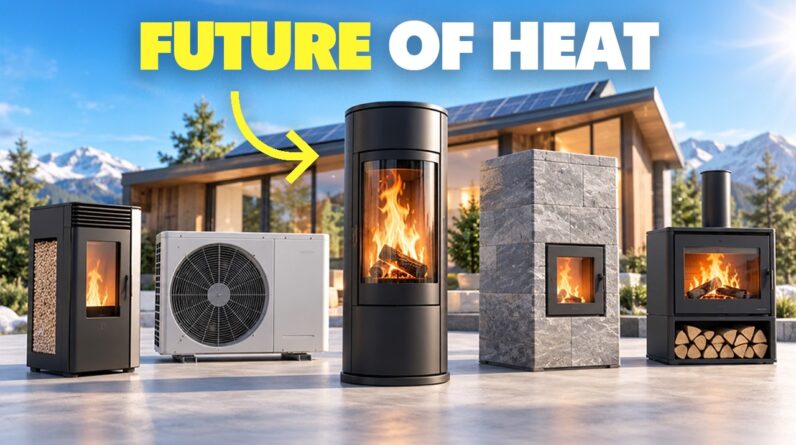
If you are planning an off-grid move, having the right equipment ready will save you time and money. A reliable off grid solar power kit is essential for generating electricity independently. For water independence, a high-capacity rainwater collection system lets you capture and store water legally in most areas. A quality composting toilet provides a code-compliant waste solution without a septic system. For heating, a portable wood stove for small cabins offers reliable warmth off the grid. Finally, a portable water filter and purifier ensures safe drinking water from any source.
As an Amazon Associate, we earn from qualifying purchases.
Conclusion
Living off the grid is not inherently illegal, but it exists in a complex regulatory gray area that varies wildly by location. The key to success is doing your homework before you buy land — understanding zoning classifications, building code exemptions, water rights, and waste disposal requirements in your target county. With the right research and preparation, off-grid living remains achievable for those willing to navigate the legal landscape.
In-Depth Analysis: How Local Codes Impact Off-Grid Living
Navigating the legalities of off-grid living requires understanding four major regulatory areas: zoning classifications, building codes, water rights, and waste management. In many suburban or semi-rural jurisdictions, local ordinances were written with traditional grid-connected homes in mind. Municipalities often enforce mandatory utility connection laws, requiring residential properties to be tied into municipal power grids or public sewer systems as a prerequisite for issuing a Certificate of Occupancy.
When selecting land, examine county zoning designations carefully. Parcels zoned as Unrestricted, Agricultural, or Rural Residential generally offer the most flexibility. In contrast, land zoned High-Density Residential often prohibits off-grid systems or temporary shelters. Additionally, building codes like the International Residential Code (IRC) frequently specify minimum square footage requirements for single-family dwellings. Understanding these rules prevents costly compliance battles later.
Common Legal Pitfalls and Safety Precautions
One of the most frequent mistakes prospective off-gridders make is purchasing land without conducting thorough due diligence regarding local codes and environmental regulations. Even when land is advertised as “unrestricted,” local health departments or environmental agencies may still enforce strict rules regarding septic installation, wetland protection, or road access.
Key safety and legal precautions include:
- Verifying Water Rights: In western states operating under prior appropriation doctrine, collecting rainwater or drilling a well may require specific state permits. Always verify local water laws before relying on catchment systems.
- Ensuring Safe Energy Systems: Installing off-grid solar arrays or battery banks requires proper overcurrent protection and ventilation. Lead-acid and lithium batteries can pose thermal or chemical hazards if improperly housed.
- Safe Heating Systems: Wood stoves must meet EPA standards and maintain proper clearance distances from combustible surfaces to prevent fires and satisfy insurance rules.
- Jurisdiction Warning: Regulations vary significantly by state, county, and municipality. Always consult local planning boards, health departments, and legal professionals before purchasing land or building off-grid structures.
Frequently Asked Questions About Off-Grid Living Legality
Is it illegal to disconnect from the electric grid?
Disconnecting from the electrical grid is not illegal under federal law, but local municipal codes may require occupied residential structures to have an active electrical utility connection to maintain a Certificate of Occupancy. In rural areas with minimal zoning enforcement, off-grid power generation is usually permitted.
Can you legally use a composting toilet instead of a septic system?
Composting toilet legality depends entirely on local health department regulations. While many jurisdictions accept composting toilets certified under NSF/ANSI Standard 41, many counties still require a legal septic permit on the property, even if a composting toilet is installed indoors.
Do I need a building permit to construct an off-grid cabin or tiny home?
In most counties, any permanent structure over a certain square footage (often 120 to 200 square feet) requires a building permit and foundation inspection. Some remote rural counties offer agricultural exemptions or do not enforce building codes, but you must verify this with county officials.
Which states are considered the most off-grid friendly?
States such as Missouri, Texas, Tennessee, Arkansas, and Alaska are widely considered off-grid friendly due to lower land costs and many rural counties with minimal building code enforcement. However, legal requirements still vary down to the specific county level.