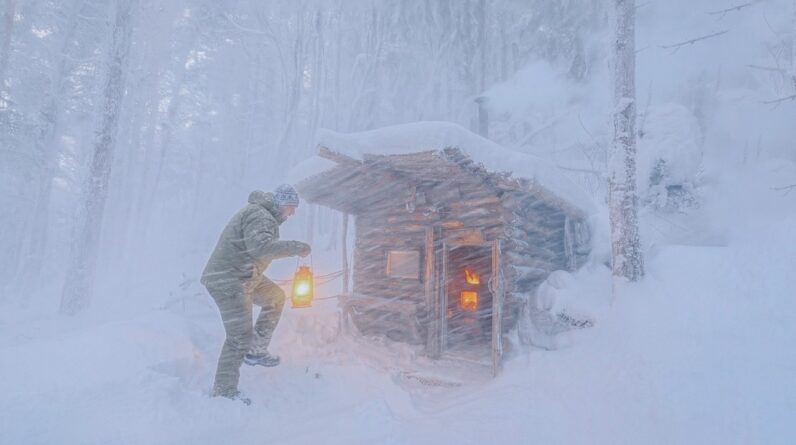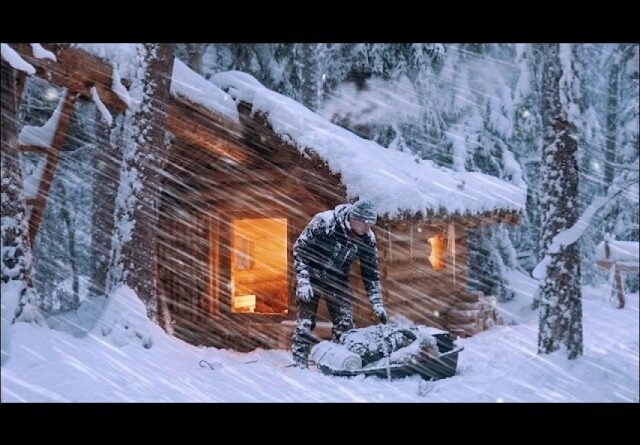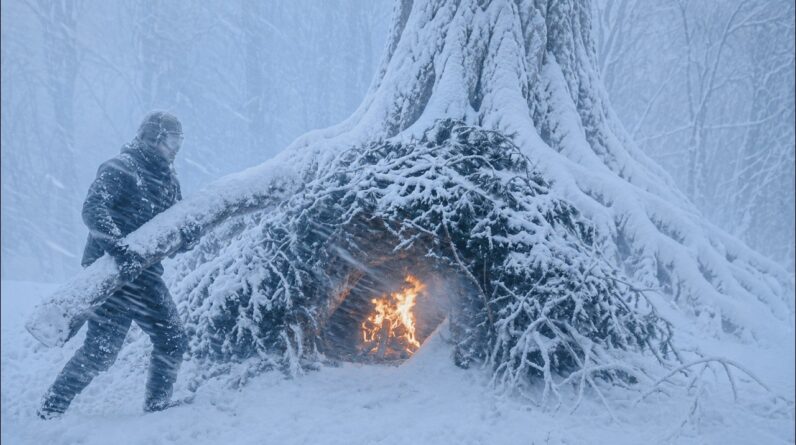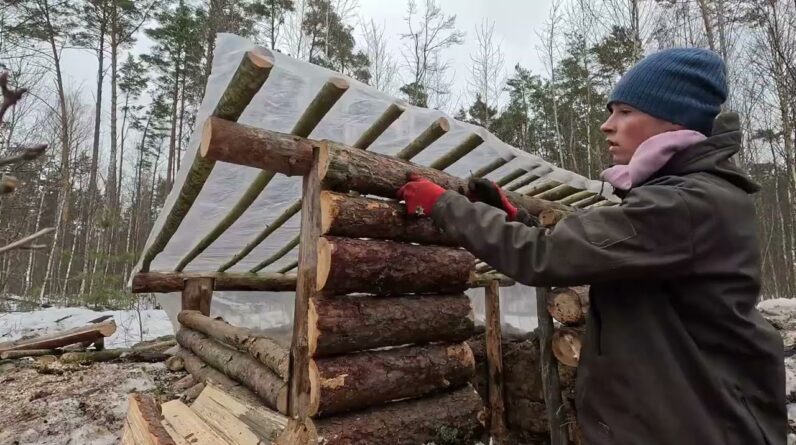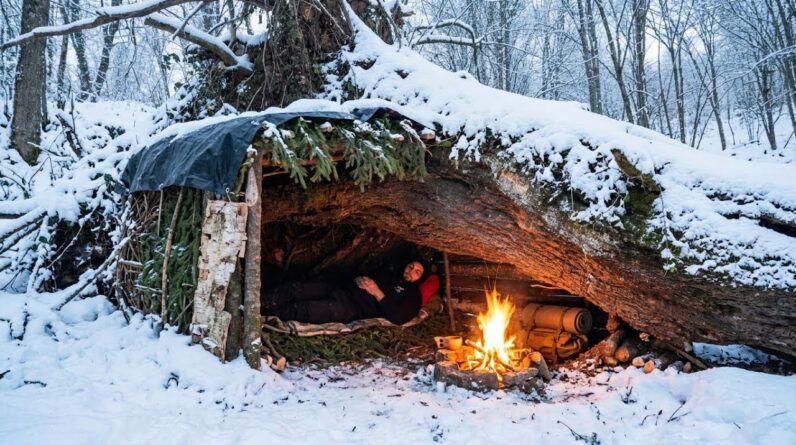
Spending time alone in the wilderness is one of the most powerful ways to test your bushcraft skills and build genuine self-reliance. In this video, a solo camper spends two full days alone in the forest, building a shelter from natural materials, cooking over an open fire, and living with nothing but basic tools and the resources around her. The experience demonstrates exactly what it takes to survive comfortably in the wild with minimal gear and maximum knowledge.
Whether you are a seasoned bushcraft enthusiast or just starting to explore wilderness survival, this video offers valuable visual lessons in shelter construction, fire management, and camp life. From selecting the right location to building a structure that can withstand wind and rain, every step is shown in real time. You will see how patience and practical skills can turn a patch of forest into a functional, comfortable home — no tent required.
Key Survival Takeaways
- Site Selection Matters: The camper chooses a location with natural windbreaks, level ground, and easy access to building materials. A well-chosen site reduces the effort needed for shelter construction and provides better protection from the elements. Look for areas between trees that offer natural support points for your shelter frame.
- Building With Natural Materials: Using branches, saplings, leaves, and forest debris, the shelter is built entirely from what the environment provides. This debris-hut style approach demonstrates that with the right knowledge, you can create an effective shelter without carrying a tent or tarp into the woods.
- Layered Insulation Technique: The shelter uses a framework of sticks covered with thick layers of leaves and natural debris. This design traps air pockets that provide critical insulation, keeping the interior warm even as nighttime temperatures drop. The key is piling on more debris than you think you need — insulation depth is what separates a warm shelter from a cold one.
- Fire Management Over Multiple Days: A campfire serves triple duty for cooking, warmth, and morale. The video shows how to maintain a fire over an extended period, including gathering sufficient firewood before dark, managing the flame through changing weather conditions, and using the fire efficiently for both heat and food preparation.
- Minimal Gear Philosophy: The camper works with basic tools, proving that bushcraft is about skill rather than equipment. A knife, some cordage, and practical knowledge are often all you need to thrive in the forest. This minimalist approach forces you to rely on your abilities rather than your gear closet.
- Outdoor Cooking Skills: Preparing meals over an open fire is a fundamental bushcraft skill. The video demonstrates practical techniques for cooking in the wild, from managing coals for even heat to using natural materials as cooking surfaces. These are skills that translate directly to real survival situations.
- Mental Resilience and Solitude: Spending two days alone in the wilderness builds mental toughness. The quiet solitude of the forest tests your ability to stay calm, focused, and productive without the distractions and comforts of modern life. This psychological preparation is just as important as physical skills in a real survival scenario.
Gear and Equipment for Solo Bushcraft Camping
When heading into the wilderness for a solo bushcraft camp, having the right gear makes all the difference. A quality fixed-blade knife is your most important tool for shelter building, food preparation, and fire prep. The Morakniv Bushcraft Knife is a proven, affordable choice for survival tasks. For shelter construction, strong cordage is essential for lashing framework pieces together — keep 550 Paracord in your pack at all times. A reliable fire starter like a Ferrocerium Rod Fire Starter ensures you can ignite a fire in any weather conditions. For safe drinking water, a Portable Water Filter lets you drink from natural sources without carrying heavy water supplies. Finally, a Bushcraft Hatchet makes processing larger wood significantly easier for shelter frames and long-burning camp fires.
As an Amazon Associate, we earn from qualifying purchases.
Final Thoughts
Solo bushcraft camping is about more than just survival — it is about building confidence in your skills and deepening your connection to the natural world. Two days alone in the forest with nothing but your wits and basic tools will teach you more about self-reliance than any book or course ever could. The shelter you build, the fire you maintain, and the meals you cook all become proof that you can handle what the wilderness throws at you. Start with an overnight trip, build your skills gradually, and let each experience make you more capable in the wild.