



Constructing a long-term shelter in the wilderness demands far more than basic survival knowledge; it requires an acute understanding of structural engineering, material selection, and resource conservation. In this featured showcase, primitive builders demonstrate the impressive feat of crafting a multi-level bamboo villa equipped with a functional water feature using exclusively hand-harvested natural materials. This project underscores how ancient building techniques can be scaled up to construct highly durable off-grid living spaces without modern machinery.
Through weeks of hard manual labor, the builders utilize green bamboo culms for structural framing, hand-woven vine lashing for flexible joinery, and packed clay mortar to erect a robust shelter. Watching this build unfold offers crucial insights for survivalists looking to master long-term habitation in tropical or heavily forested environments. Below, we break down the core engineering principles, tool techniques, and material considerations demonstrated in this impressive undertaking.
Key Survival Takeaways
- Selecting mature, thick-walled bamboo stems provides exceptional strength-to-weight ratios for multi-story load-bearing posts and beam frameworks in long-term bushcraft structures.
- Lashing structural frame joints with split green vines or processed natural fiber cordage creates flexible connections that absorb heavy wind shear far better than rigid metal fasteners.
- Hand-mixed natural clay, subsoil, and coarse sand plaster seals outer walls against wind and insect infiltration while providing valuable thermal insulation and structural mass.
- Incorporating natural water flow channels and stone-lined holding basins requires precise subterranean leveling and soil compaction to prevent structural foundation erosion over extended periods.
- Maintaining sharp edge tools like machetes and hand adzes dramatically reduces physical muscle fatigue during massive timber harvesting and shaping tasks in remote wilderness settings.
- Proper perimeter drainage channels carved around subterranean or semi-subterranean shelter levels prevent catastrophic structural flooding and mud erosion during heavy seasonal rainstorms.
Selecting and Harvesting Mature Bamboo for Structural Integrity
Bamboo is often referred to as the vegetable steel of the wilderness due to its remarkable tensile strength and natural flexibility under heavy stress. However, not all bamboo culms are created equal when building a multi-story structure. Primitive builders select mature culms that have grown for at least three to five years, as younger bamboo contains extremely high moisture content and shrinks dramatically as it dries, leading to structural instability, splitting, and eventual collapse of primary frame supports.
When harvesting, cut stems near the ground line using sharp angled chops to avoid splitting the hollow culm. Transporting culms intact preserves their outer silicone-rich rind, which naturally resists water ingress and wood-boring insects. For vertical support posts, choose thick-walled species and place nodes directly near load connection points to prevent crushing under upper-level weight. Furthermore, seasoning harvest logs in shade for several days before assembly reduces sap weight, making construction handling significantly safer and less exhausting for solo builders in remote environments.
Framing, Lashing, and Load-Bearing Architecture
Constructing a two-story framework without modern metal fasteners relies entirely on friction joints, mechanical notches, and natural lashings. Builders notch bamboo poles at key junctions, allowing horizontal crossbeams to rest firmly within notched seats. This structural design transfers gravitational loads directly down vertical support posts rather than relying solely on the shear strength of the binding cordage or vine wraps.
Lashings are wrapped using green vines or processed inner tree bark strips while the materials remain flexible and moist. As the cordage dries over several days, it shrinks significantly, pulling the joint into an extremely tight clamp that stiffens the entire frame. For floor decking, split bamboo poles are flattened into wide planks and woven horizontally across floor joists, creating a resilient walking surface capable of supporting heavy loads while promoting airflow through lower living chambers.
Mud Plastering, Waterproofing, and Clay Seals
To protect interior living areas from severe weather elements, primitive walls are coated with a carefully mixed compound of natural clay, subsoil, fine sand, and organic fibers. Clay provides binding adhesion, while sand prevents extensive cracking as the mixture dries under the sun. Chopped straw, dried grass, or shredded coconut husk acts as internal rebar, distributing tensile stress across the wall panel and preventing rain erosion.
Applying plaster in multiple thin coats yields superior durability compared to a single thick layer. Once the base coat sets, a smooth finish coat is applied and burnished with smooth river stones to create a water-resistant skin. Roof structures are thatched with overlapping palm fronds or dense bundle grasses, angled at steep pitches to ensure rapid rainwater runoff before moisture can penetrate the interior framing. Additionally, extending eave overhangs several feet past main walls shields the earthen plaster from direct tropical downpours.
Maintaining an earthen building requires periodic inspection of outer plaster surfaces. Applying sacrificial clay-ash glazes before the rainy season ensures the primary structural walls remain dry and undamaged during prolonged downpours.
Gear & Equipment
- Bushcraft Hand Auger Drill
- Heavy Duty Bushcraft Machete
- Natural Fiber Jute Twine
- Outdoor Survival Folding Saw
As an Amazon Associate, we earn from qualifying purchases.
Conclusion
Mastering large-scale primitive construction requires patience, manual skill, and a deep understanding of natural building materials. By studying projects like this multi-level bamboo villa, survivalists gain valuable perspective on load-bearing architecture, natural lashing joinery, and weatherproofing techniques necessary for sustained off-grid living in rugged wilderness conditions across the world.
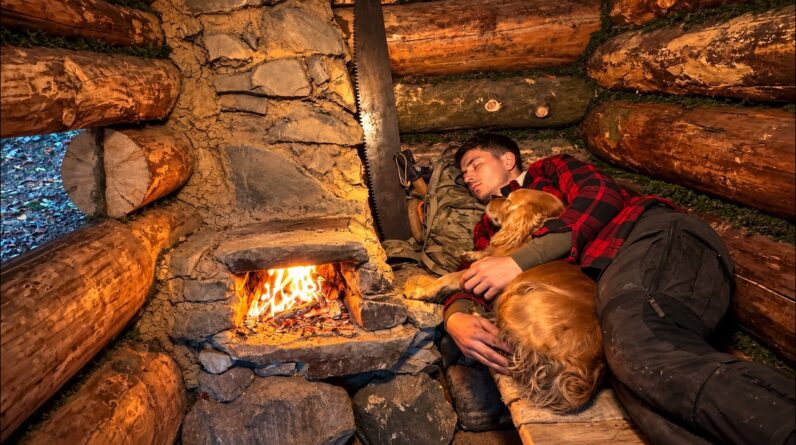


Despite it being fake it’s still entertaining to watch
Fake bro 😈😈😈😈
damn they ain't even tryin to seem legit anymore, lame asf
Bro is fake 😑🥱🥱😡🤬
Nice video
Re upload shit wack and bogus
Вы всегда строите домик с бассейном отличная работа 👍👍👍
❤❤❤❤😊
No way Jose
😮😮😮
first