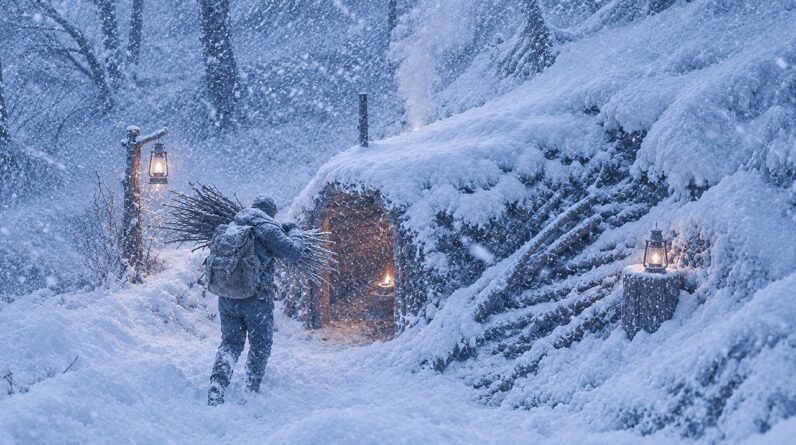
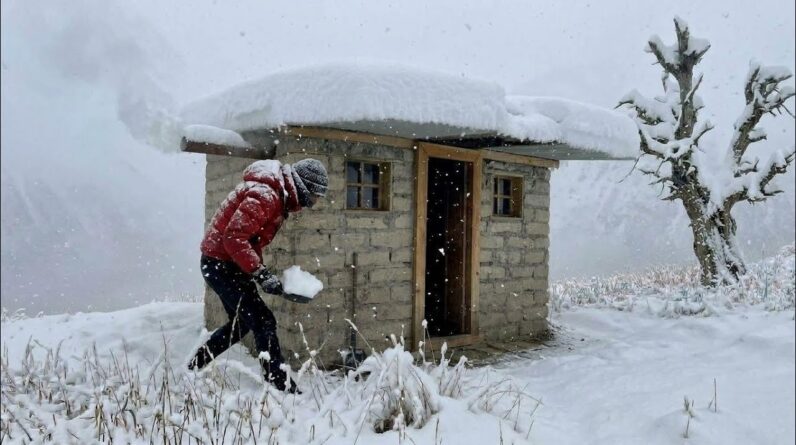
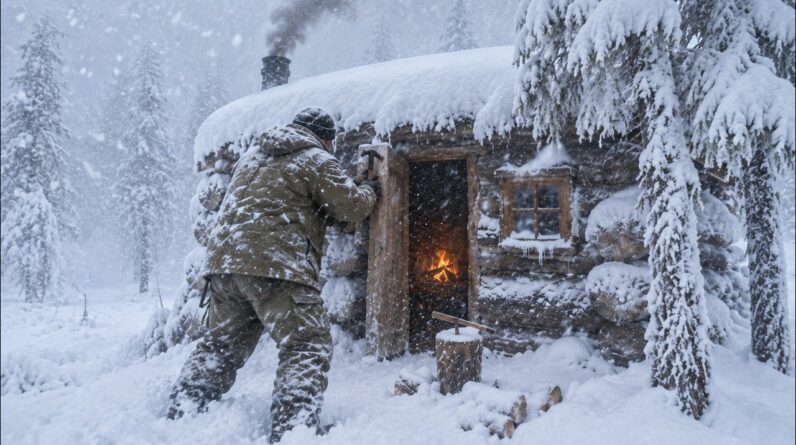
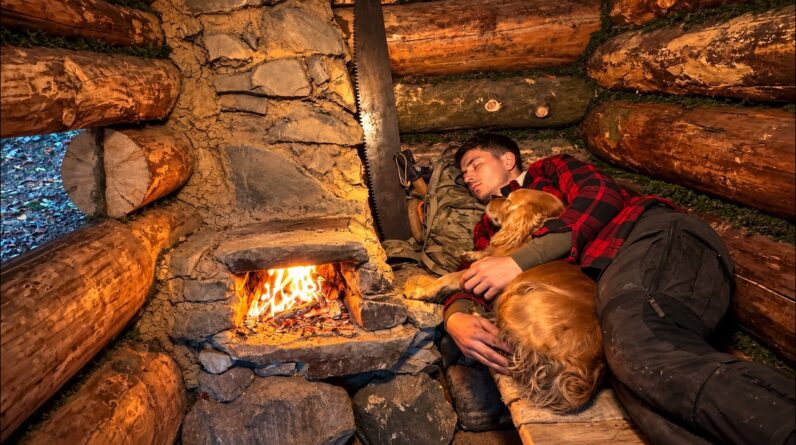
Winter survival becomes a completely different challenge when temperatures fall far below freezing. At -31°C, small mistakes in shelter setup, clothing, fire management, or hydration can quickly become life-threatening. The Survive Frost winter camp demonstrates the systems that make an extreme cold-weather night more manageable: a properly insulated shelter, a dependable heat source, organized camp chores, and disciplined decision-making.
This article breaks down the practical lessons behind that kind of winter outing. You will learn how to choose and prepare a cold-weather shelter, reduce heat loss, manage fire safely, protect sleeping insulation from moisture, and recognize the warning signs that mean it is time to stop pushing forward. The video is an example of an experienced outdoor setup, not a reason to imitate extreme temperatures without training, a partner, and a realistic emergency plan.
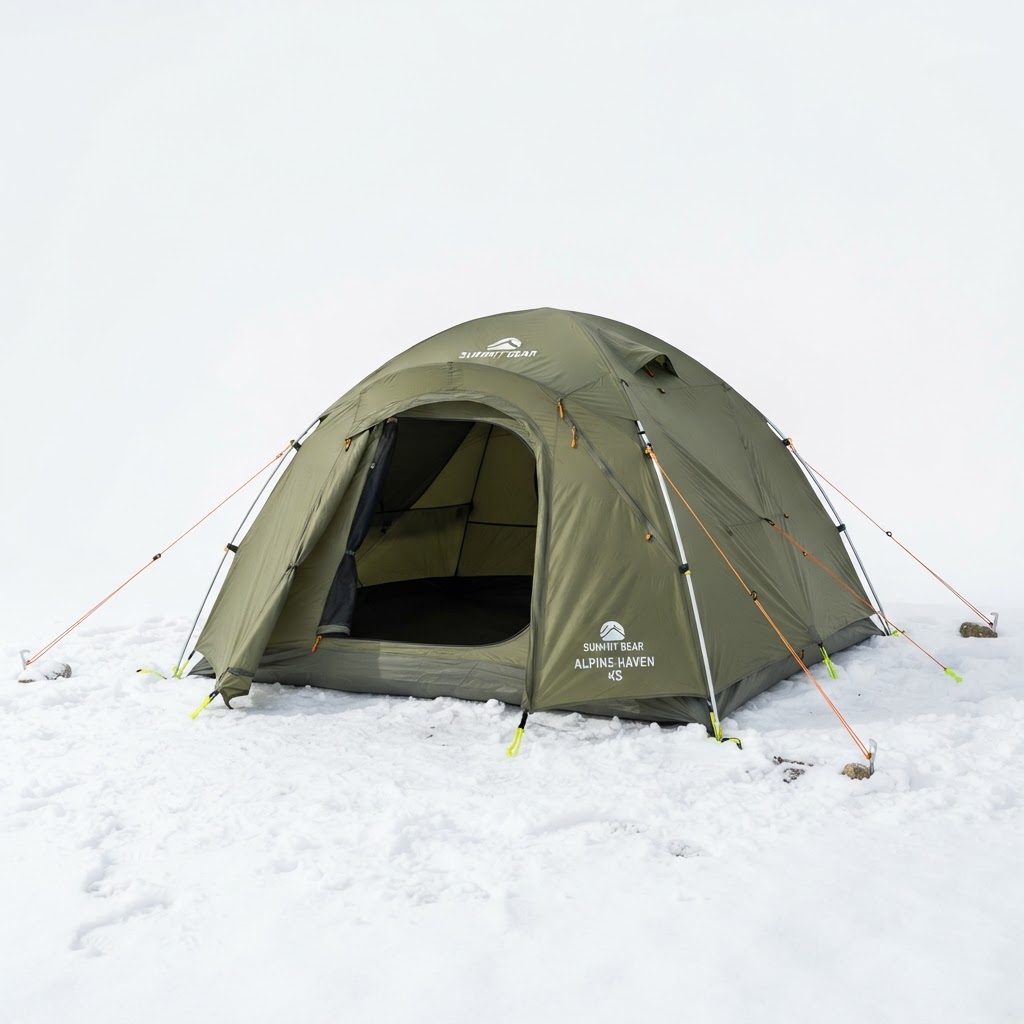
Engineered for wind and snow loading with reinforced poles, low-profile geometry, and a sealed vestibule to trap heat and block drafts. The foundation of any cold-weather survival setup.
As an Amazon Associate, we earn from qualifying purchases.
Key Survival Takeaways
- Insulation is the first line of defense. A tent alone is not a survival shelter. Ground insulation, an insulated sleeping system, a wind-resistant tent, and a properly sealed door or vestibule work together to reduce conductive, convective, and radiant heat loss.
- Get organized before darkness arrives. In winter, gather firewood, prepare cooking supplies, arrange your sleeping area, and establish a dry place for clothing while visibility is still good. Nighttime chores in deep snow consume energy and increase the chance of mistakes.
- Control moisture aggressively. Wet gloves, damp socks, sweat-soaked base layers, and condensation inside a shelter can destroy warmth. Ventilate when conditions allow, dry clothing near—not on—heat, and change layers before they become saturated.
- Use fire as a managed system. A hot fire requires dry fuel, a stable base, airflow, and an adequate supply of wood. Keep fuel within reach, maintain a safe clearance from fabric, and never rely on an unattended stove or fire inside an enclosed shelter.
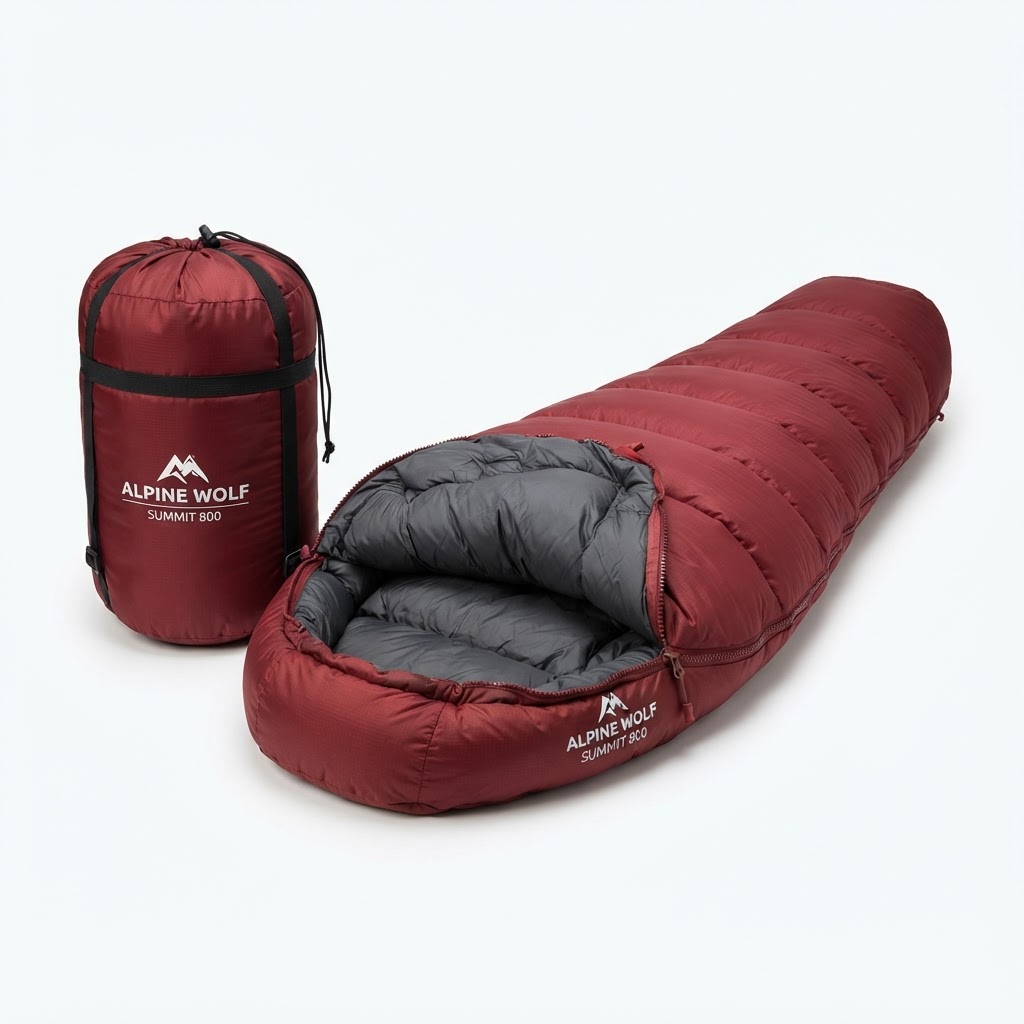
Rated for temperatures well below your expected conditions with down or synthetic fill, draft collar, and hood to retain body heat. Your sleeping system is the difference between surviving and suffering.
As an Amazon Associate, we earn from qualifying purchases.
- Protect your sleeping insulation from the ground. Snow and frozen soil pull heat away rapidly. A high-quality sleeping pad with a suitable cold-weather rating is essential; adding a foam pad beneath an air pad can provide redundancy and improve insulation.
- Maintain hydration and calories. Cold air, exertion, and dry winter wind increase fluid needs even when thirst is muted. Melt and treat snow or ice safely, and choose calorie-dense food that can be prepared quickly without exposing yourself to unnecessary cold.
- Plan around an exit threshold. Check weather, daylight, fuel, communications, and physical condition before leaving. Uncontrolled shivering, confusion, clumsiness, numbness, or unusual fatigue are reasons to seek immediate warmth and assistance—not to continue for the sake of the trip.
Essential Winter Gear
Beyond shelter and sleep systems, fire and clothing are your next critical layers. A reliable ferro rod works when lighters fail and matches get wet. Merino wool base layers regulate moisture and temperature even when damp. And an emergency bivy sack is lightweight insurance against the worst-case scenario.
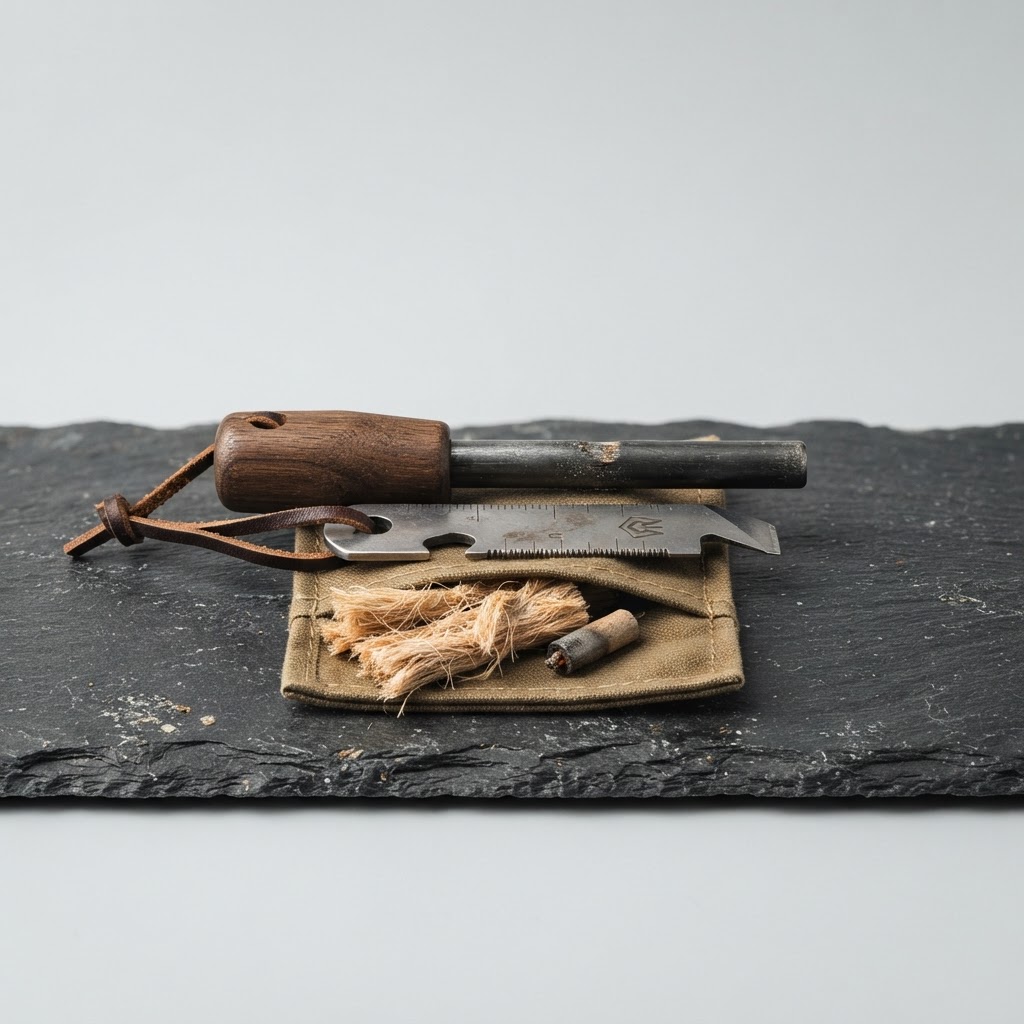
Reliable spark in wet or freezing conditions. Pair with waterproof tinder for a dependable backup ignition system that works when matches and lighters fail. A survival essential you should always carry.
As an Amazon Associate, we earn from qualifying purchases.
Final Thoughts
The central lesson from an extreme winter camp is preparation, not bravado. Warmth comes from a chain of small systems working together: shelter, dry clothing, insulation, fire, hydration, food, and a conservative plan. Practice those systems in progressively colder conditions, bring reliable communication, and treat worsening symptoms as an emergency signal. In deep winter, turning around early is often the most skillful survival decision.