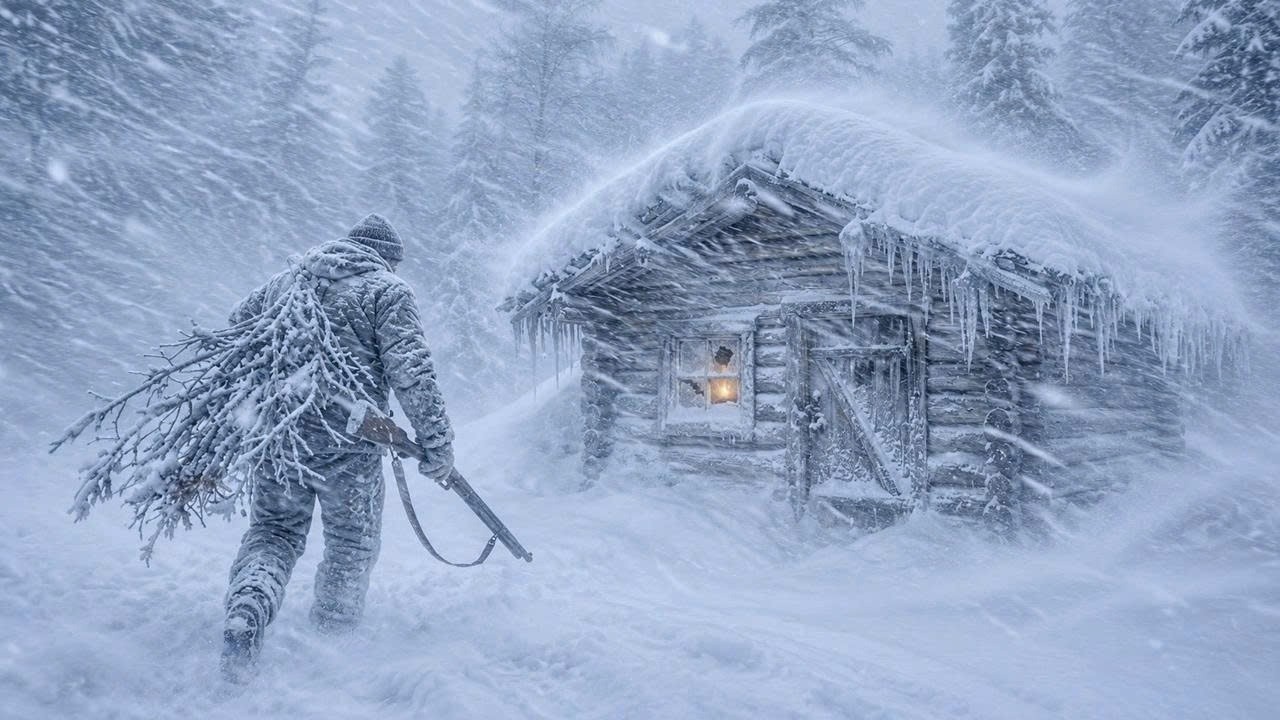
Surviving a Bone-Chilling Blizzard in a Remote Field Cabin
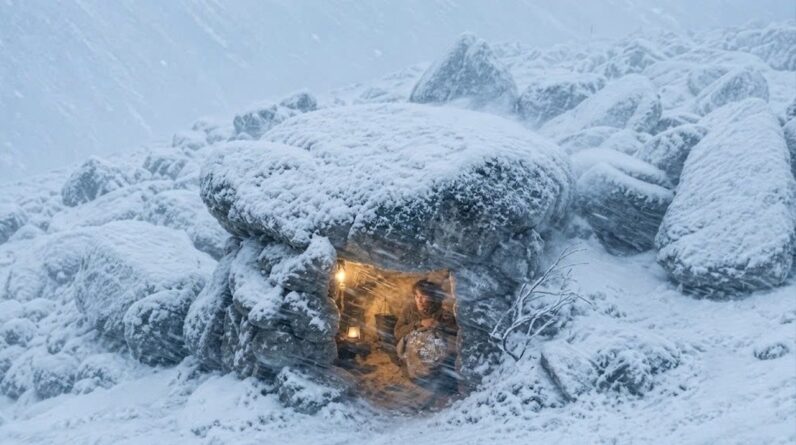
When a bone-chilling snowstorm strikes the frozen wilderness, every survival decision becomes a matter of life and death. In this gripping video from Beyond Survival, we witness firsthand what it takes to endure a powerful blizzard while sheltering inside a remote field cabin. The video documents the brutal reality of extreme winter survival, from facing freezing temperatures and heavy snowfall to managing limited resources while cut off from the outside world.
Throughout the experience, you’ll learn critical lessons about how to assess a shelter’s structural integrity during high winds, the importance of maintaining heat when temperatures plummet, and why mental resilience matters just as much as physical preparation. The cabin becomes both sanctuary and prison as the storm rages outside — every piece of firewood burned is one less in reserve, and every hour of howling wind tests the limits of both the structure and the person inside it.
Whether you’re an experienced winter camper or someone preparing for worst-case scenarios, this video delivers practical, hard-won knowledge that could one day save your life when the next blizzard closes in. The combination of real-world footage and survival decision-making makes it an essential watch for anyone who ventures into cold-weather backcountry.
Key Survival Takeaways
- Shelter Assessment First: Before settling into any structure during a storm, inspect the roof, walls, and entry points for structural weaknesses. High-velocity blizzard winds can compromise even sturdy-looking cabins, so reinforce vulnerable areas with available materials before the storm peaks.
- Heat Management is Everything: Maintaining a reliable heat source is your top priority in sub-zero temperatures. Gather and stockpile firewood well before the storm arrives, and always keep dry kindling in reserve. A single missed heating cycle in deep cold can lead to hypothermia within minutes.
- Snow as an Insulator: Banks of snow building up around the cabin exterior can actually trap warmth inside by blocking wind gaps. Understanding the difference between destructive snow loads and beneficial insulating snow is a key winter survival skill.
- Water Access Planning: Dehydration is a silent killer in cold environments. Plan how you’ll melt snow for drinking water before your primary supply runs low. Always melt snow in a heated container rather than eating it raw to avoid lowering your core body temperature.
- Signal Readiness: Even in a remote shelter, maintain the ability to signal for help. Keep high-visibility markers, a whistle, or a signal mirror accessible at all times in case conditions deteriorate beyond what you can handle alone.
- Mental Fortitude: Prolonged isolation during a blizzard takes a psychological toll. Establish daily routines, break time into manageable segments, and stay focused on actionable tasks to prevent panic and despair from setting in when the storm drags on for days.
Common Winter Shelter Mistakes to Avoid
Even experienced outdoorsmen make errors that can turn a survivable situation deadly. Being aware of these common pitfalls before a storm hits can make all the difference:
- Underestimating snow load: A roof that seems sturdy can collapse under the weight of accumulated wet snow. Regularly clear snow buildup from the roofline if it’s safe to do so, and monitor for sagging or creaking sounds.
- Burning all your fuel at once: It’s tempting to build a roaring fire for comfort, but a slow, sustained burn maintains heat longer and conserves your wood supply. Ration fuel as if the storm could last twice as long as forecasted.
- Neglecting ventilation: Sealing a cabin too tightly to keep out cold can lead to carbon monoxide buildup, especially when using combustion heat sources. Always maintain a small airflow gap, even in extreme cold.
- Forgetting about frostbite risk: Extremities — fingers, toes, nose, and ears — are the first to suffer. Check them regularly for numbness or color changes, and never ignore early warning signs of frostnip or frostbite.
- Not having a backup plan: If your shelter becomes compromised mid-storm, you need to know where you’ll go and what you’ll take. Have a go-bag ready with essentials in case you’re forced to relocate in whiteout conditions.
Gear & Equipment
Surviving a blizzard in a remote cabin requires the right equipment. A durable 4-season winter sleeping bag rated for sub-zero temperatures is non-negotiable, as is a reliable ferrocerium rod fire starter for ignition when matches get damp. For melting snow and heating food, invest in a sturdy cast iron camping pot that can withstand direct flame. Don’t overlook the importance of quality insulated winter work gloves for handling firewood and tools in freezing conditions. Finally, a portable emergency weather radio keeps you informed about storm duration and potential rescue windows.
As an Amazon Associate, we earn from qualifying purchases.
Final Thoughts
Surviving a wilderness blizzard in a field cabin is as much about preparation as it is about endurance. The video from Beyond Survival reminds us that nature is unforgiving in winter, but with the right knowledge, gear, and mental toughness, even the most brutal snowstorm is survivable. Take these lessons to heart, build your winter skills before you need them, and always respect the power of a blizzard when you venture into remote country.
The difference between a story you tell and a tragedy that goes untold often comes down to the decisions you make in the first hour of the storm. Prepare now, so you don’t have to figure it out when the wind is howling and the temperature is dropping by the minute.