Why a Hidden Earth Shelter Could Save Your Life
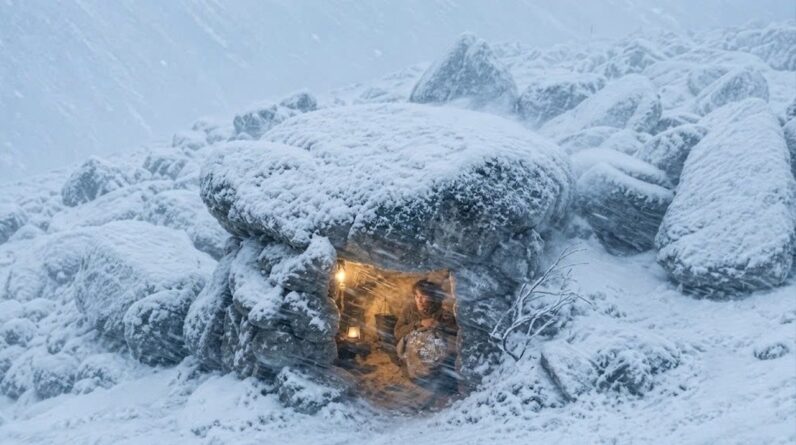
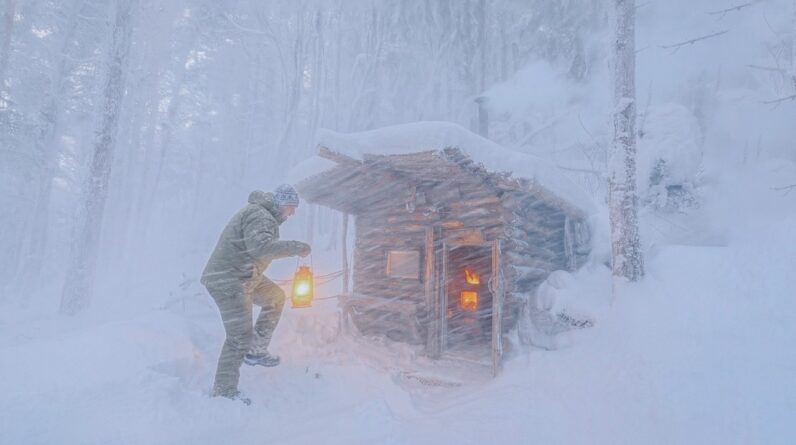
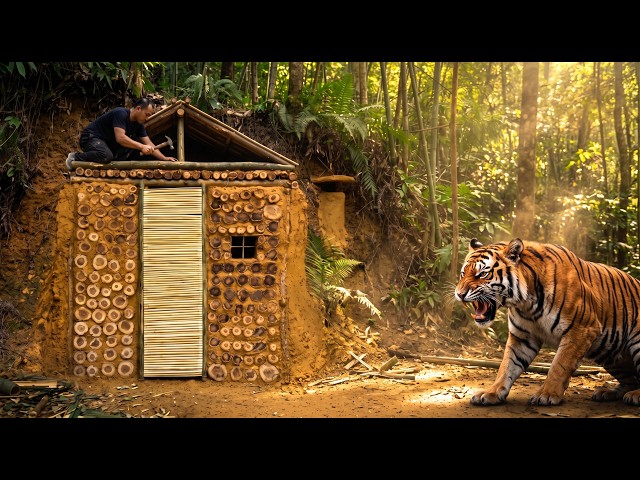
When a powerful storm tears through the wilderness and destroys your existing shelter, your next move could mean the difference between safety and vulnerability. In this remarkable timelapse video, a skilled builder constructs a hidden dugout shelter carved directly into an earth wall using nothing but natural materials foraged from the surrounding forest. After the storm leveled his previous tree house, he chose to dig deep into a hillside rather than rebuild above ground — a decision that created a far more durable and defensible structure. Watching a bare hillside transform into a fortified, camouflaged earth shelter in just 14 minutes of footage is both inspiring and deeply practical for anyone interested in wilderness survival.
This is more than just a building project — it is a masterclass in primitive shelter construction that could save your life in a wilderness survival situation. You will see every critical step: excavating into the hillside, constructing the structural frame with timber and bamboo, packing mud and earth for walls and insulation, crafting a custom bamboo door, and even installing a small ventilation window. Whether you are a bushcraft enthusiast, prepper, or outdoor adventurer, understanding how to build a secure shelter that protects you from both harsh weather and dangerous wild animals is essential survival knowledge every outdoorsperson should master before they need it.
Key Survival Takeaways
- Site selection is everything: Building into an existing earth wall or hillside provides natural insulation, structural integrity, and camouflage that freestanding shelters simply cannot match. The earth itself becomes your primary building material and defensive barrier, reducing the amount of timber and resources you need to gather.
- Natural materials are abundant: Wood, bamboo, earth, and mud proved sufficient to build a durable, weather-resistant shelter. You do not need modern tools or synthetic materials to create a secure living space in the wild — the forest provides everything required for a solid structure.
- Digging in offers superior animal protection: A dugout or earth-sheltered design provides significantly better defense against dangerous wild animals compared to raised or surface structures. The thick, packed earth walls create a natural fortress that most predators and large animals cannot easily penetrate.
- Layer your construction methodically: The builder progresses systematically from excavation to frame construction, wall packing, roof building, and finally a bamboo door and window. Each layer adds cumulative strength, insulation, and weather resistance. Skipping any step compromises the entire structure.
- Ventilation prevents deadly buildup: Even a small window significantly improves air circulation and prevents moisture and condensation buildup. In an enclosed earth shelter, poor ventilation can lead to mold growth, respiratory issues, and potentially dangerous carbon monoxide accumulation if you use a fire for heating inside the shelter.
- Camouflage is a survival multiplier: A hidden shelter that blends seamlessly into the hillside is far less likely to be discovered by animals or other threats. Natural materials and earth-tone construction make the shelter virtually invisible from a distance, giving you both physical security and tactical advantage.
- Patience rewards the builder: The timelapse compresses what was likely days of careful, physically demanding work into just 14 minutes of viewing. Real shelter building requires sustained patience and energy, but the end result — a secure, hidden, weatherproof shelter — is worth every ounce of effort you invest.
Gear and Equipment for Shelter Building
When building a wilderness shelter, having the right tools makes the difference between a structure that lasts and one that fails. A reliable tactical survival shovel is essential for digging into earth and constructing dugout shelters efficiently. You will also want a quality bushcraft machete for cutting bamboo, splitting branches, and shaping wood components for your frame. A durable paracord rope is critical for lashing your structural frame together securely and reinforcing wall connections. For carrying heavy materials and supplies to your build site, a heavy-duty canvas gear bag proves invaluable. Finally, keep a ferrocerium rod fire starter on hand to get a warming fire going once your shelter construction is complete.
As an Amazon Associate, we earn from qualifying purchases.
Final Thoughts
Building a hidden earth shelter is one of the most practical and rewarding survival skills you can develop. This video demonstrates that with patience, natural materials, and strategic use of terrain, you can create a secure, camouflaged shelter that protects you from both harsh weather and dangerous wild animals. The techniques shown — digging into a hillside, using bamboo and timber for structure, packing earth for insulation — are time-tested methods that have kept humans alive for thousands of years. Practice these skills before you actually need them, and always prioritize careful site selection and structural integrity when building any shelter in the wild. Your life may depend on it.