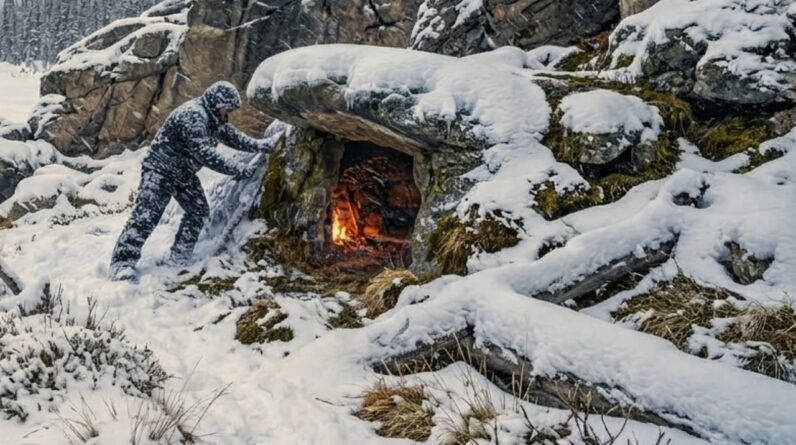
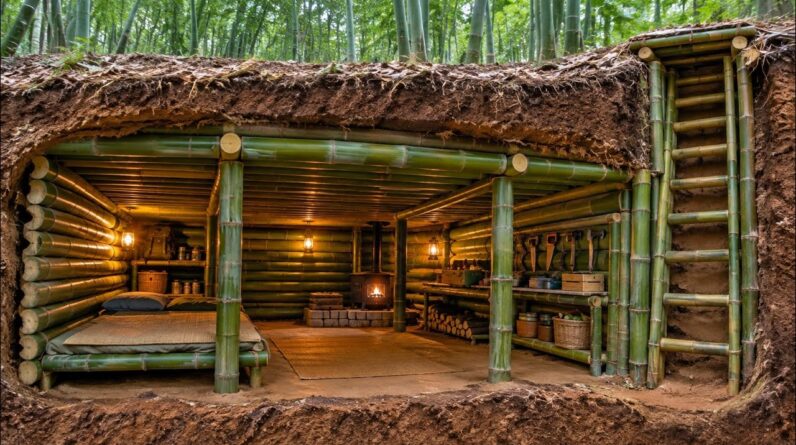
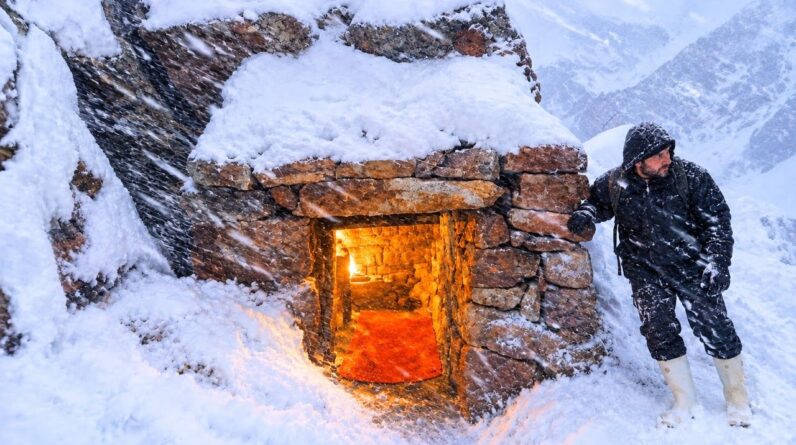
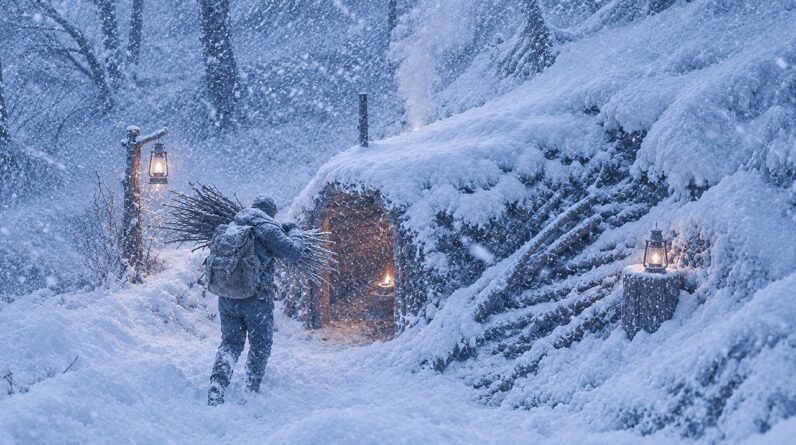
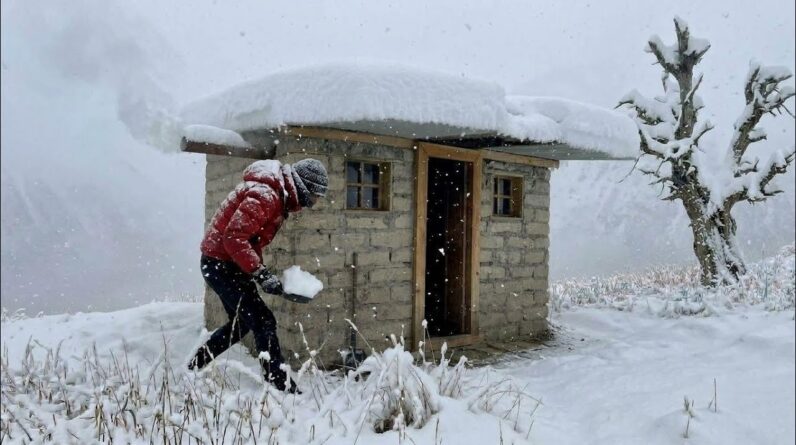
When a brutal winter snowstorm tears through the wilderness, your survival depends on shelter more than anything else. In this video, a seasoned survivalist faces freezing temperatures, heavy snowfall, and howling winds deep in a snow-covered forest, using a warm cabin as a life-saving refuge. The footage documents the entire experience — from navigating the storm to maintaining heat, managing supplies, and staying mentally sharp in a hostile environment.
You will learn how a well-constructed winter shelter can mean the difference between life and death when temperatures plummet. The video covers practical techniques for snowstorm survival, including how to insulate a cabin against extreme cold, how to manage fire and fuel efficiently, and how to stay dry and hydrated when everything around you is frozen. Whether you are a bushcraft enthusiast or a prepper planning for winter emergencies, the lessons here are directly applicable to real-world cold-weather survival.
Key Survival Takeaways
- Shelter is your first priority in winter: Exposure kills faster than starvation or dehydration. A solid shelter — whether a cabin, debris hut, or snow cave — traps body heat and blocks wind chill, which is the real killer in blizzard conditions.
- Insulation matters as much as the structure: Gaps in walls, doors, and roofing let precious heat escape. Sealing cracks with snow, mud, or natural materials creates a thermal barrier that keeps the interior temperature survivable even when it is well below freezing outside.
- Fuel management is a daily discipline: You cannot burn wood recklessly. Splitting, drying, and rationing firewood ensures you have enough fuel to last through the night and into the next morning when temperatures are at their lowest.
- Stay dry at all costs: Wet clothing loses up to 25 times more heat than dry clothing. Removing snow-covered layers before entering the shelter and keeping a dry set of clothes for sleeping prevents hypothermia, the silent killer in winter survival situations.
- Water procurement in winter requires planning: You cannot rely on liquid water sources when everything is frozen. Melting snow and ice consumes fuel, so it is essential to plan your hydration strategy and keep a pot of snow melting near the fire at all times.
- Mental resilience is a survival skill: Isolation, cold, and darkness take a psychological toll. Staying occupied with camp tasks, maintaining a routine, and keeping morale high are just as important as physical preparation for enduring extended winter survival scenarios.
- Ventilation prevents carbon monoxide poisoning: Even in a well-sealed cabin, a fire consumes oxygen and produces carbon monoxide. Maintaining a small ventilation gap in the roof or wall is critical for safety when heating an enclosed space with wood or other combustibles.
Gear and Equipment
As an Amazon Associate, we earn from qualifying purchases.
Conclusion
This video is a powerful reminder that winter survival is as much about preparation and mindset as it is about gear. A well-built shelter, disciplined fuel management, and the ability to stay dry and hydrated are the cornerstones of surviving a snowstorm in the wilderness. Study these techniques before you need them — when the blizzard hits, you will not have time to learn. Prepare your kit, practice your skills, and respect what the cold can do.