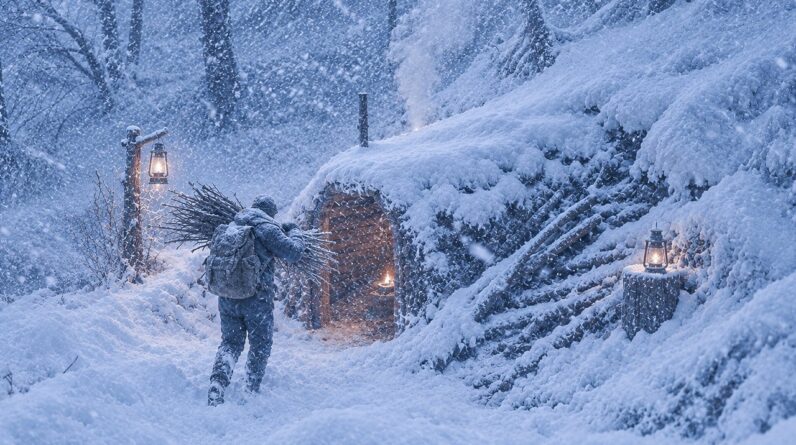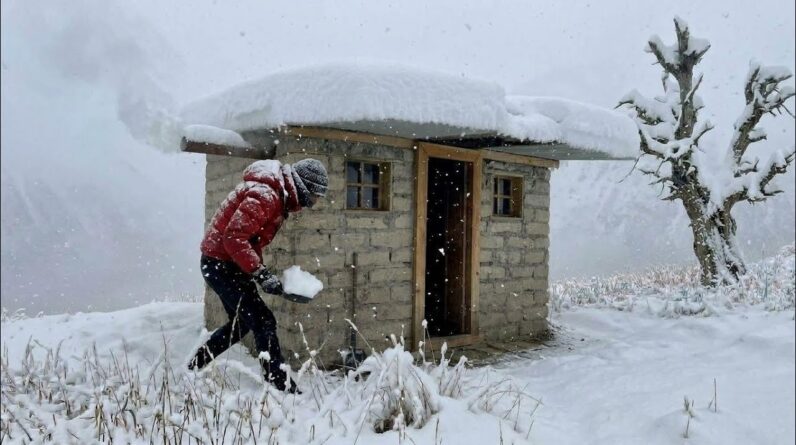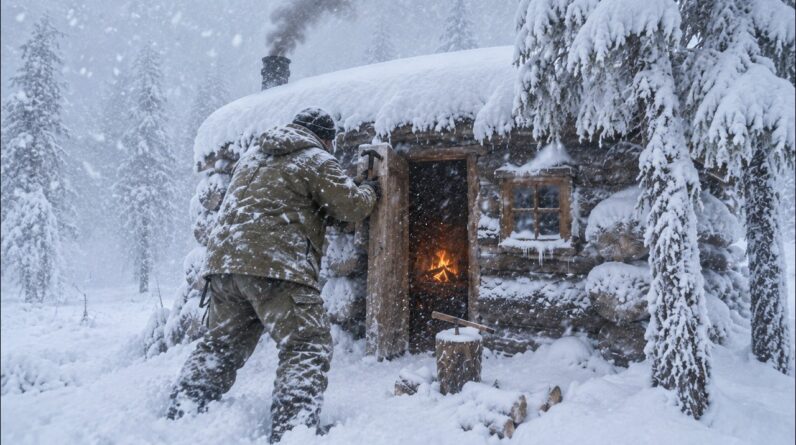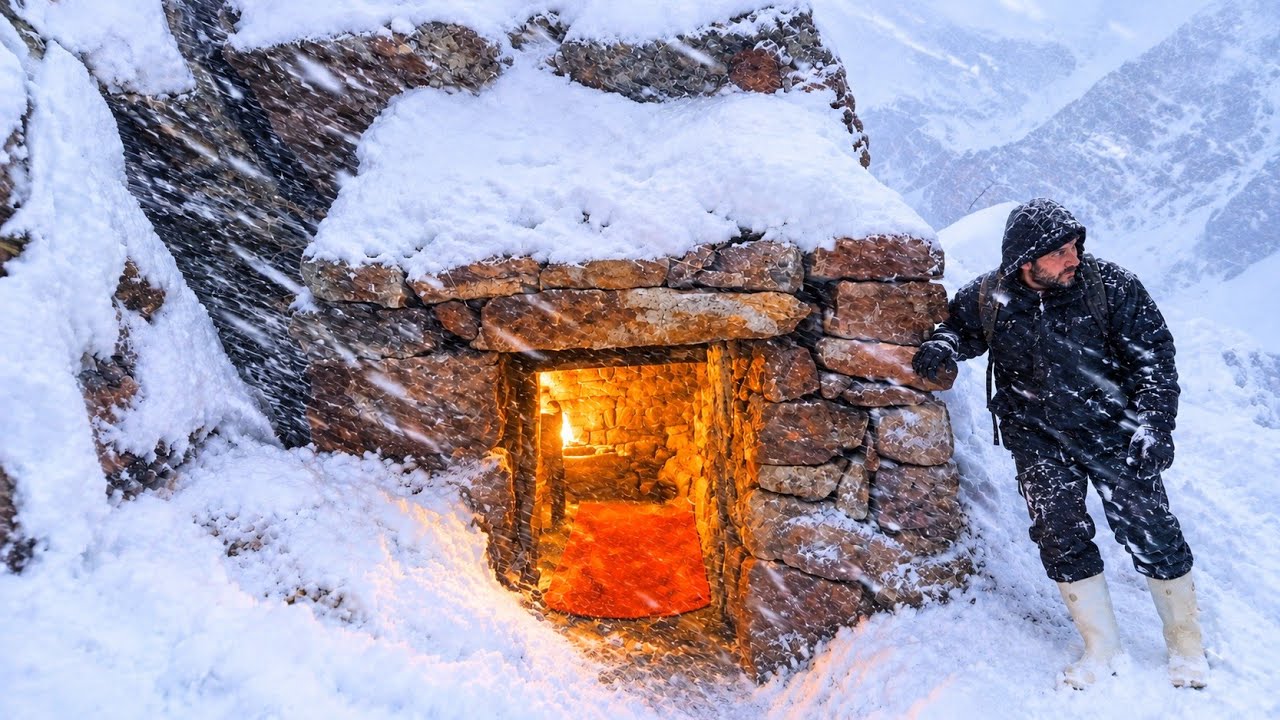
Deep in the snowy mountains, one survivalist faced a challenge most of us hope we never encounter: a heavy snowstorm, a loaded backpack, and no shelter in sight. Rather than panic, he searched the terrain for one of winter’s greatest gifts, a giant rock overhang, and spent the next several hours converting the natural void beneath it into a warm, defensible stone shelter. The result is a masterclass in improvisation, patience, and cold-weather survival thinking.
In this article, we break down exactly how he did it and what you can learn from his approach. You’ll discover how to read mountain terrain for shelter opportunities, how dry-stone walling seals out wind and blowing snow, why thermal mass keeps a rock shelter warm long after the fire dims, and the critical fire safety rules that apply to any enclosed shelter. Whether you’re a winter camper, bushcrafter, or prepper, these lessons translate directly to real cold-weather emergencies.
Key Survival Takeaways
The video is packed with practical winter survival knowledge. Here are the most important lessons:
- Terrain selection comes first. A massive rock overhang provides a ready-made roof, windbreak, and snow shield, saving hours of construction effort and conserving calories you’ll need to survive the night.
- Look for natural voids, but check the hazards. Not every rock is safe: inspect for loose stones overhead, avoid avalanche runout zones and drainage paths, and confirm the space is large enough to hold your body, gear, and fire.
- Dry-stone walling blocks the wind. Stack the largest stones first as a stable base, then fill gaps with progressively smaller ones. Packed snow and debris over the finished wall seal the remaining drafts.
- Thermal mass is your friend. Stone absorbs heat from the fire and radiates it back for hours, smoothing out temperature swings far better than a thin fabric wall ever could.
- Keep the shelter small. A compact interior is faster to warm and easier to keep warm with limited fuel; every extra cubic foot of air costs firewood.
- Manage your energy in deep snow. Hours of carrying a heavy pack and moving stone in a snowstorm burns enormous calories. Work at a steady pace, stay hydrated, and shed layers before your base layers soak with sweat.
- Fire discipline matters indoors. Build a small fire near the entrance where ventilation is best, and keep a clear airflow path so smoke and carbon monoxide vent outside instead of pooling inside.
Why a Giant Rock Makes the Perfect Winter Shelter
In winter survival, the fastest shelter is the one nature already built. A giant rock offers three things every snow-country survivor needs: an immediate roof that sheds snow load, a solid windbreak on the exposed side, and thermal mass. Once a fire is burning inside, the stone slowly charges with heat like a battery and releases it overnight, keeping the shelter far warmer than the outside air long after the flames die down.
A rock overhang also compresses the work. Building a snow cave or debris hut from scratch can consume an entire afternoon of calorie-burning labor in deep snow. Under a boulder, the roof already exists and the walls are half-built by nature. Your job is mainly to close the open face with stacked stone, a task that basic tools and patience can finish before dark.
Building a Stone Shelter Step by Step
1. Approach and assess. Before committing, check the approach path through deep snow, look for unstable rock above the void, and confirm the floor drains rather than pools meltwater.
2. Clear the workspace. Shovel or kick snow out from under the overhang down to firmer ground, giving yourself both headroom and a dry area for fire and bedding.
3. Lay the base course. Set your biggest stones along the bottom edge of the opening so the wall’s weight locks into the ground and resists wind gusts.
4. Stack and fill. Work upward with progressively smaller stones, filling every gap with smaller stones first and snow or debris second. A tight wall stops the wind; a sloppy one whistles all night.
5. Leave a door and a vent. Plan a small, closable entrance that faces away from the prevailing wind, plus a high gap near the top for smoke to escape.
Fire Safety Inside an Enclosed Rock Shelter
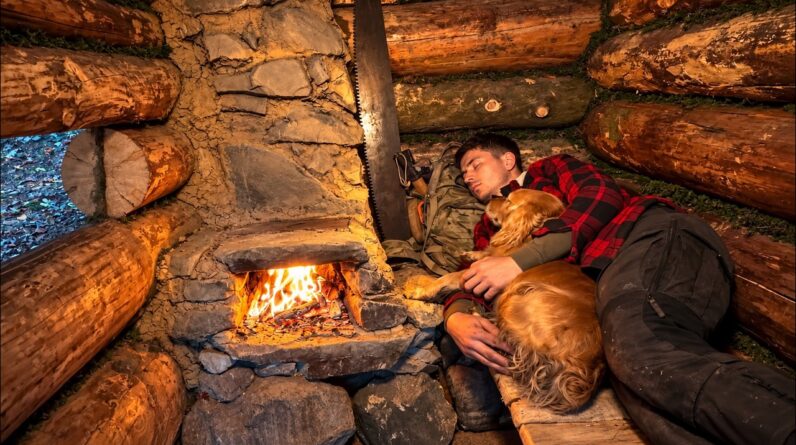
Once the shelter is enclosed, fire becomes both your lifeline and your biggest hazard. The video shows the payoff: a small, well-fed fire turning a cold stone void into a warm, orange-lit refuge. But any fire in an enclosed space demands respect. Keep flames small, position the fire near the entrance where fresh air enters, and maintain a clear exit path for smoke and carbon monoxide, the silent killer that claims travelers in snow caves and cabins alike.
Rapid heating can also crack some stones or dislodge ice above the fire, so keep flammable gear well back from the flames. Never sleep with a roaring fire unattended in a tight space. Instead, bank it with slow-burning wood and rely on the stone’s thermal mass to carry warmth through the night.
Gear and Equipment for Winter Shelter Building
Building shelter in a snowstorm demands cold-rated gear. These items matter most in this scenario:
- Cold Weather Winter Sleeping Bag — your last line of defense against hypothermia once the fire banks down; choose a bag rated well below forecast overnight lows.
- Ferrocerium Rod Fire Starter — throws reliable sparks in wind, snow, and damp conditions when matches and lighters fail.
- Folding Survival Shovel — compact enough for the pack but invaluable for clearing snow, digging drainage, and shaping the shelter floor.
- Insulated Waterproof Winter Gloves — dry, warm hands mean the dexterity to stack stone and manage a fire for hours in the cold.
- Emergency Mylar Thermal Blankets — ultralight backup insulation that reflects body heat and can line a stone wall to block conductive cold.
As an Amazon Associate, we earn from qualifying purchases.
Practice Before You Need It
Rock-shelter skills fade fast when they are only watched. Before trusting this technique in a real emergency, rehearse it in mild conditions: pick a dry day near your vehicle, find a safe overhang well away from avalanche terrain, and build a full dry-stone wall. Time the work honestly so you know how many hours a real wall takes and how much stone your body can move before fatigue sets in.
Then graduate to a supervised overnight, a winter camp within walking distance of the trailhead with a full sleeping kit as backup. That single night teaches lessons no video can: how fast sweat chills you the moment you stop moving, why a flat, drained sleeping platform matters more than wall height, and how much larger the smoke vent should be than you estimated.
Final Thoughts
Building a warm shelter under a giant rock in a heavy snowstorm proves an old survival truth: skill beats gear, and terrain reading beats brute force. The builder carried only a heavy pack, basic tools, and hours of patience, yet converted a frozen mountainside into a refuge with a fire glowing inside. Study the takeaways, pack the right gear, and practice these techniques before you need them, because in winter conditions a shelter isn’t comfort, it’s survival.