There are few sounds that will snap you out of a dead sleep faster than slow, deliberate footsteps stopping just outside your tent wall. Your heart rate spikes, your mind races, and the instinct to sit up or shout into the dark is almost overwhelming. But as the old survival accounts make plain, exactly that instinct is what gets people hurt. In the knowledge preserved by Native elders, the night around camp was never a wall of fear; it was a system to be read, understood, and answered in the right order.
In the video above, Wes Kingfisher walks through the elder’s response to a night visitor near your shelter: how to tell whether those footsteps belong to an animal or a human, why stillness is your first and most powerful tool, what experienced trackers listen for before they ever move a muscle, and how a few minutes of preparation before dark gives you nearly every advantage if the sound ever comes. Watch it through, then use the takeaways, drills, and gear notes below to harden your own camp routine.
The First Rule: Identify Before You React
A crisis response is only as good as the information behind it, and in the first seconds after you wake, your only reliable information source is your ears. The old discipline was to lie still, slow the breathing, and let the night talk. Footsteps tell you a great deal if you let them. Four-legged visitors, whether raccoon, skunk, or bear, move in bursts: a few quick steps, a long pause to sniff and root around, then a few more. Their weight rolls and their gait is uneven. Human steps are the opposite, an even, deliberate cadence with a steady crunch, often stopping in a way that suggests someone is listening to you. Learning that difference in rhythm, practiced during daylight trips where you can watch and listen at the same time, is a genuine survival skill that costs nothing to build.
Your First Sixty Seconds: The Wake-and-Listen Drill
Experienced campers do not rise to a sound; they wake into a routine. Rehearse this sequence at home and on daylight trips until it runs itself, because the middle of the night is the worst possible time to invent a plan.
- Freeze where you lie. Do not sit up and do not rustle the sleeping bag. Slow your breathing to long, quiet exhales and listen past your own heartbeat.
- Count the rhythm. Give the footsteps ten full seconds. Pause-and-go bursts mean four legs; a metronome, even pace means two.
- Find your staged gear by feel. Let your hand drift to the headlamp, knife, or bear spray in the exact pockets you packed them in at dusk.
- Answer with your voice, not your light. A low, firm “hey, bear” tells a four-legged visitor to move along; a calm announcement that the camp is awake tells a two-legged one the same thing.
- Let the visitor leave first. Unzip nothing until the sound has faded away from camp. Note the time, then listen again a few minutes later before you relax.
Key Survival Takeaways
- Stay still and slow your breathing first. Movement and noise give away your position and throw away your one edge: the visitor does not know whether the tent holds a sleeping camper or an alert one. Stillness is treated as a shield in the old accounts.
- Read the rhythm before you reach for anything. Pause-and-go bursts mean four legs; a metronome, even pace usually means two. Your response to a curious raccoon should never be your response to a stranger.
- Do not flip on a light right away. A flashlight kills your night vision and outlines you through the tent wall. Let your eyes adapt, keep listening, and gather information with your ears instead.
- Stage your tools before you sleep. Bear spray, a knife, and a headlamp belong within arm’s reach of the tent door, packed in the same spots every single night so your hands can find them in total darkness.
- Use your voice as an instrument. Against a two-legged visitor, a firm, calm announcement from inside the tent often ends the encounter. Predators and burglars alike prefer easy, unwitnessed targets, not a voice that proves the camp is awake.
- Cook and store food away from where you sleep. The old camps kept the fire and the meat at a distance from the shelters for the same reason bear bags hang a hundred yards out today: whatever comes looking for food finds the food first, not you.
- Preparation is most of the response. Choose sites with clear approaches, note your exits before dark, and rehearse the wake-and-listen sequence so that the real event simply runs the drill you already own.
If the Steps Are Four-Legged
Most nighttime visits are animals, and most animal encounters end without incident when you stay calm. Make yourself known with a low, firm voice, since the sudden shriek of a prey animal is exactly the wrong signal, and give the animal a clear, open route away from camp. Never block the path between a bear or moose and its exit, and never chase the encounter with food rewards left lying around the site. If a large animal lingers or returns repeatedly, that is the signal to leave the area, not to escalate. The elder’s standard was simple: the goal is to end the night with both sides walking away, because a fight you avoid is a fight you win.
Prepare Before the Sun Goes Down
Walk your campsite once in daylight and imagine it at two in the morning. Where would someone approach from? Which way would you leave in a hurry? Set the tent so the door faces your planned exit, hang food and toiletries well away from the shelter, and clear noisy debris from the ground around the tent so anything that approaches gives you a fair warning. Before turning in, put your boots where you can step into them blind, hang a light inside the tent where your hand naturally falls, and agree on a simple wake-up signal if you camp with others. The whole routine takes five minutes.
Frequently Asked Questions
Should you call out to someone outside your tent?
Yes, but only after you have listened. A short, firm, calm statement from inside the tent, such as announcing that you hear them and the camp is awake, gives a stranger the choice to walk away, which is the outcome you want. Shouting threats or scrambling out of the bag does the opposite: it shows panic and throws away every advantage stillness gave you.
Will a flashlight scare off an animal?
Sometimes, but a bright light also deletes your night vision and outlines you through the tent wall. Prefer a red-light headlamp, and bring it up only after you have decided the sound actually needs to be confronted rather than simply observed.
Where should survival gear live at night?
In the same spot every single night: headlamp where your hand naturally falls, bear spray and knife in the door-side pocket, boots ready to step into blind. Muscle memory built in daylight is faster than any gear purchase made in fear.
Gear and Equipment
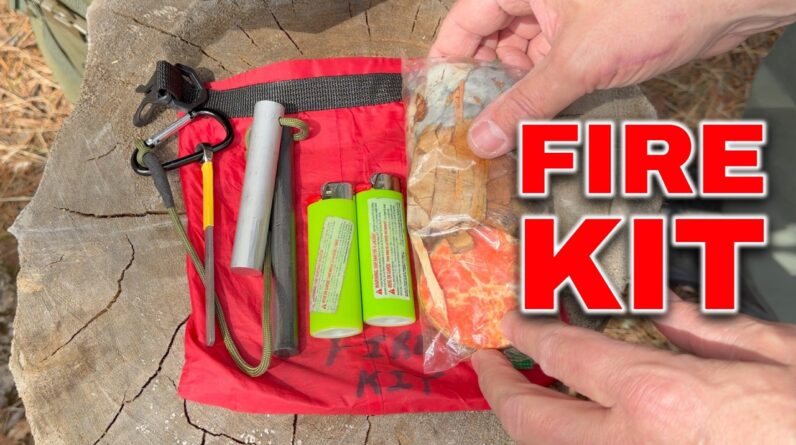
A few inexpensive items turn the response above from a hope into a plan. A red-light camping headlamp lets you act without destroying night vision. A pop-up campsite motion sensor alarm gives you an early perimeter warning long before footsteps reach the tent wall, and a can of bear spray with a belt holster staged at the door covers four-legged trouble. For signaling, a compact pocket air horn is heard much farther than any shout, and a ferrocerium rod fire starter kept in the tent kit lets you bring light to the situation on your own terms.
As an Amazon Associate, we earn from qualifying purchases.
Final Thoughts
The elder’s answer to footsteps in the night is not a secret trick; it is a discipline of listening first, acting deliberately, and preparing while it is still daylight. Practice the wake-and-listen drill on your next trip, stage your gear every night, and the scariest sound in camping becomes just one more piece of information you know how to handle.