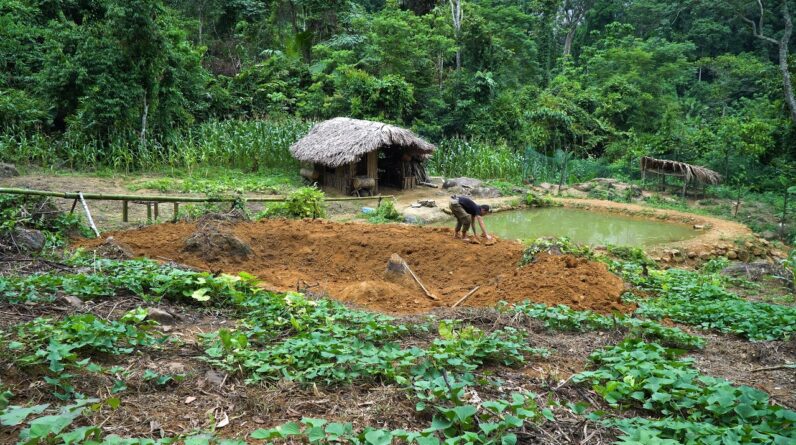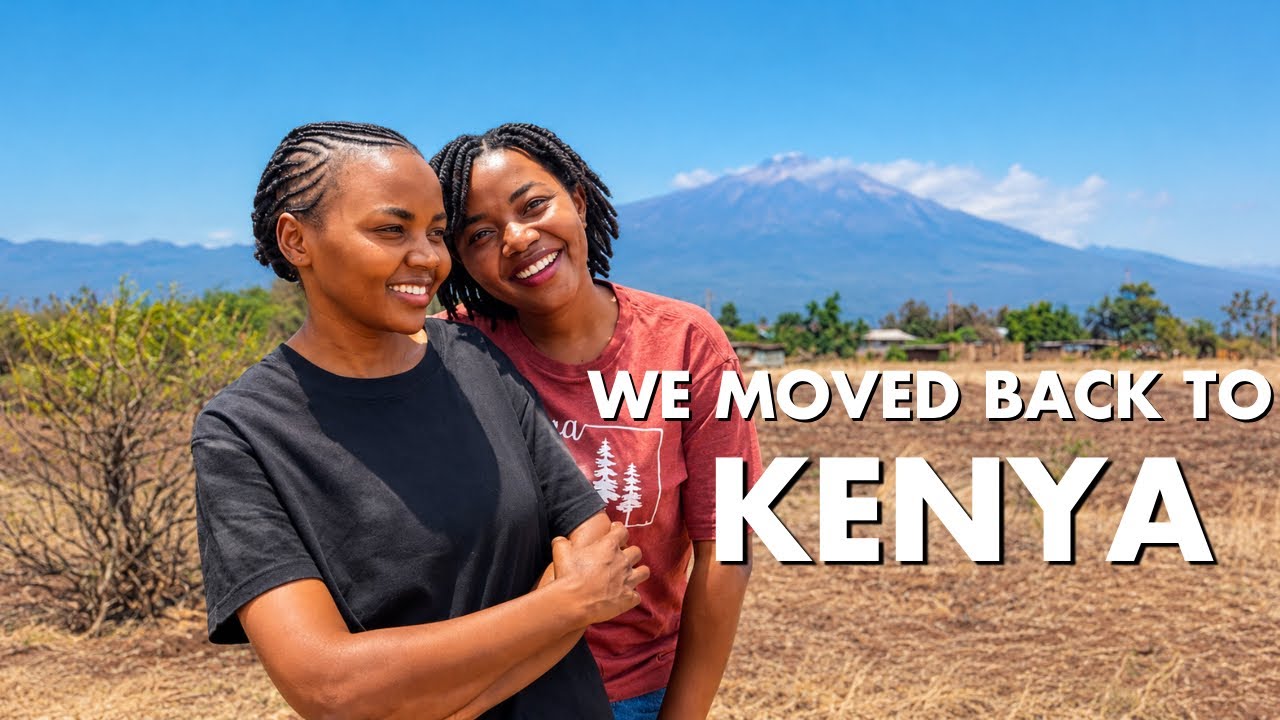
When a family trades years of slow living in Thailand and the Philippines for a small piece of land at the foothills of Mount Kilimanjaro in Kenya, they are not just changing addresses. They are betting that hands-on skills, patience, and careful planning can replace the conveniences most of us take for granted. In this video, Mii Adventures opens the first chapter of that journey: settling onto raw land, reading the property, and preparing to build a fully off-grid home from the ground up.
What makes this walkthrough worth your time is the mindset behind it. Every decision, from where the house will sit to how water and sunlight will be captured, is being considered before a single wall goes up. If you have dreamed of leaving the grid behind, or you simply want to become more self-reliant where you already live, the lessons in this video apply far beyond Kenya.
Choosing Land With Self-Reliance in Mind
The most important off-grid decision happens before construction: choosing land that can actually support independent living. The foothills of Kilimanjaro offer everything a homesteader looks for, including a temperate highland climate, dependable rainfall, and fertile volcanic soil. That combination means gardens grow well, water is within reach, and extreme weather is less of a threat than it would be in more exposed regions.
Notice how the family evaluates the parcel in practical terms rather than emotional ones. They look at how the mornings and seasons feel on the land, how the community receives them, and what the property can produce over time. Access to local people who welcome outside settlers matters more than most preppers expect, because off-grid success is built on relationships as much as on resources. A remote parcel with hostile neighbors and no water is a worse survival position than a modest plot in a supportive community.
Design an Off-Grid Home Before You Build It
Starting a build on undeveloped land forces you to answer questions grid-connected homeowners never face. Where will water come from, and how will it be stored through the dry weeks? How will the house be oriented to catch morning sun for passive warmth and light? What systems will handle waste when there is no sewer line to tap into?
The video captures the early stage where all of these questions are still open, and that is exactly the moment when good homesteaders slow down. Rushing a build on raw land leads to expensive mistakes: plumbing that freezes because it was run on an exterior wall, solar arrays shaded by trees that were never cleared, and rooms placed where the drainage naturally flows. The slower pace the family describes is not nostalgia. It is the same deliberate planning rhythm that wilderness survival teaches, applied to permanent shelter.
Evaluating Raw Land: A Pre-Commitment Checklist
Whether your parcel sits at the base of a mountain or at the end of a county road, the same short walk will tell you most of what you need to know. Bring this checklist to any property you are serious about, and walk it at different times of day.
- Water, year-round. Confirm a source that survives the dry season, plus the storage and filtration needed to bridge the gap when rain is unreliable.
- Sun path across seasons. Stand where the house will go and picture the winter sun. Shading ridgelines and tree lines are hard to argue with after the concrete is poured.
- Drainage after heavy rain. Visit the low spots after a storm and look for where the water wants to go, because the water always wins in the end.
- Soil reality. A jar test and a shovel hole reveal whether a garden will feed you or fight you, long before you buy seedlings.
- Legal access. A deeded road or easement beats a friendly handshake, in Kenya or Kansas alike. Verify land rights in writing before money changes hands.
- Community reception. Knock on doors. The neighbors who welcome you are part of your survival plan, and local knowledge is worth more than any shipping container of gear.
- Emergency reach. Know your route out, your signal options, and realistic response times for emergency services before you commit.
Key Survival Takeaways
- Read the land before you build. Climate, rainfall, soil quality, and sun exposure determine what your off-grid home can do. Walk the property through different times of day before committing to a homesite.
- Water strategy comes first. On any raw parcel, identify your water sources, storage options, and purification plan before framing anything. Gravity-fed storage solves dozens of downstream problems.
- Community is a survival asset. The family emphasizes how warmly neighbors welcomed them. Local knowledge, shared labor, and goodwill are resources no amount of gear replaces.
- Slow living and preparedness overlap. Cooking from scratch, gardening, and doing without daily conveniences build the exact skills a grid-down scenario demands.
- Start before you are ready, but plan before you spend. Their approach pairs action, moving and beginning the build, with patience on major irreversible decisions.
- Comfort is earned through design. Peaceful mornings and good weather are returns on choosing a site deliberately, not luck.
Common Off-Grid Questions, Answered
- How much land do you need to live off grid? Far less than most people assume. A half acre with reliable water, good sun exposure, and room for a garden can support a family if systems are designed well. Water access and soil quality matter far more than raw acreage.
- What should you plan first on raw land? Water, always. Confirm your source, storage capacity, and filtration plan before spending money on anything else. Power and shelter decisions all flow from how and where you will capture water.
- How do you choose where to place a house? Walk the parcel at different times of day and after heavy rain. Site for morning sun, natural drainage, and wind protection, and keep plumbing runs short and inside the heated envelope to prevent freezing.
- Can you homestead in a foreign country? Yes, but relationships carry you further than gear. The family in this video succeeds largely because neighbors welcomed them and shared local knowledge. Research land rights and community expectations before you buy anywhere.
Gear and Equipment for Going Off Grid
If this video inspires your own off-grid project, a few proven tools make the transition far easier. Start with an off-grid solar panel kit to handle lighting, device charging, and small appliances from day one. Pair it with a portable power station so you can store daytime solar output for nights and cloudy spells. For water independence, a rainwater collection barrel captures free rainfall, and a gravity-fed water filter makes stored water safe to drink without electricity. Finally, a composting toilet solves sanitation when a septic system is not yet in the budget.
As an Amazon Associate, we earn from qualifying purchases.
Final Thoughts
Building off grid is less about escaping modern life and more about deliberately choosing which parts of it to keep. This family’s Kilimanjaro chapter shows the process in its raw early stage: land chosen carefully, systems planned patiently, and a community already invested in their success. Watch it as a blueprint, then step outside and start practicing one skill at a time.
Water security is the foundation of any off-grid build, so before you commit to a homesite, read our guide on what every prepper needs to know about water filters and build your purification plan the same way this family plans its homestead: before anything goes up.