Surviving Off-Grid When Everything Goes Wrong at Once
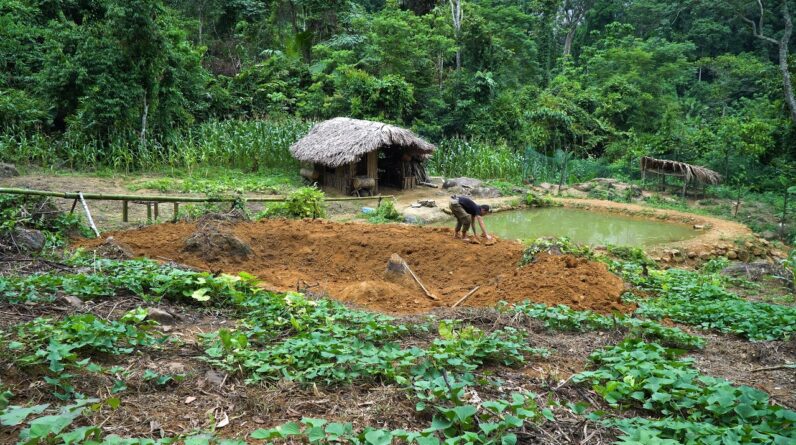
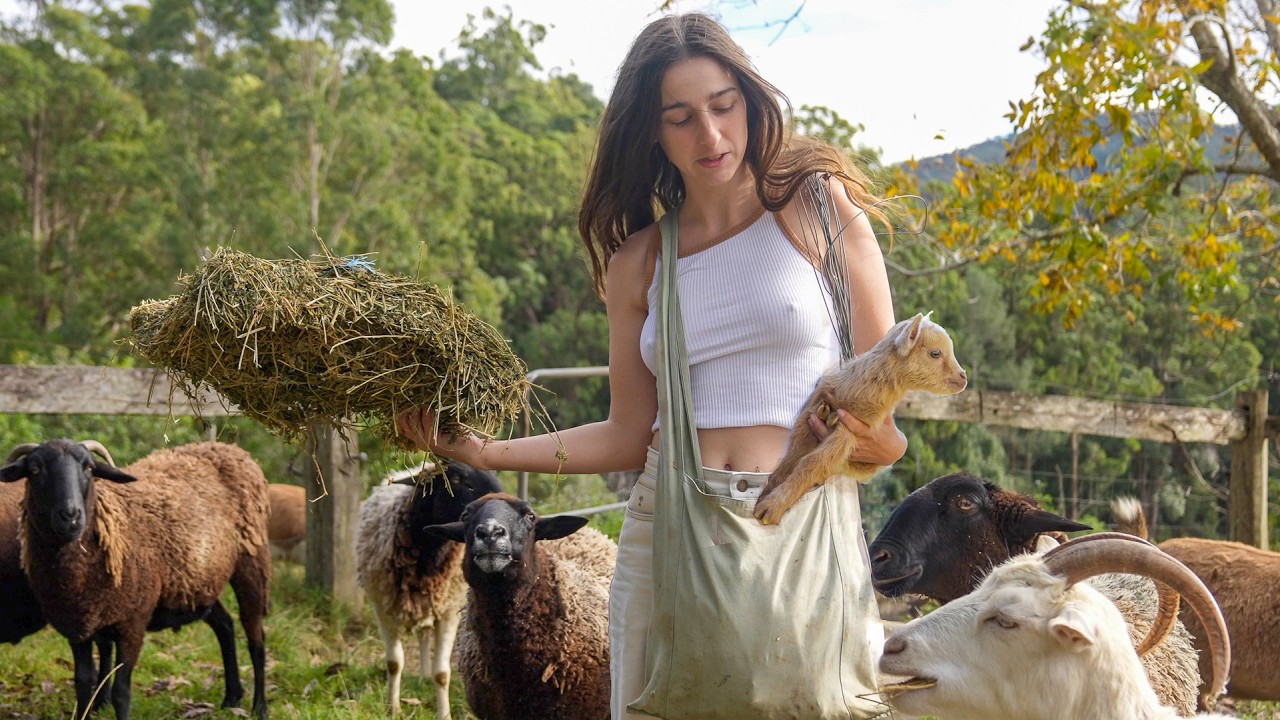
Living off the grid in the Australian rainforest is equal parts rewarding and relentless. When you strip away the safety nets of modern infrastructure, every day becomes a test of problem-solving, endurance, and adaptability. In this episode from Mother The Mountain Farm, we get an unfiltered look at what happens when everything goes wrong at once: baby goat twins are born, a storm tears the roof off the off-grid shed, snakes start emerging as temperatures rise, and urgent repairs pile up faster than they can be addressed.
What makes this episode so valuable is the raw transparency. There is no polished narrative here, just the messy truth of building and maintaining a self-sufficient life in one of the most demanding environments on Earth. You will see how to prioritize emergency repairs during severe weather, care for newborn livestock without veterinary backup, and manage wildlife encounters when your homestead sits inside snake territory. For anyone considering off-grid living or homesteading in a challenging climate, the lessons here are indispensable.
This is not a tutorial video. It is a real-time survival diary that shows exactly why preparation and redundancy matter more than any single piece of gear. Every challenge these farmers face, from sudden infrastructure failure to newborn animal care, maps directly to the skills every survival-minded person should cultivate before disaster strikes their own homestead.
Key Survival Takeaways
- Prioritize shelter repairs immediately after storm damage. A compromised roof does not just expose your gear; it threatens your stored food, tools, and livestock shelter. Tarping and temporary patching should happen before the next weather system arrives, which in a rainforest could be hours away.
- Newborn livestock need immediate intervention in harsh environments. Baby goats born on an off-grid farm require temperature regulation, clean bedding, and protection from predators. Without a vet on call, you need to know the basics of birthing, bonding, and colostrum feeding before the first kid arrives.
- Snakes become active as temperatures rise in rainforest environments. Knowing which species are dangerous, how to clear brush around living areas, and what to do during an encounter is essential knowledge for any homesteader in tropical or subtropical zones. Keep pathways clear and maintain a snake identification guide on hand.
- Build redundancy into every critical system. When your shed roof fails, your backup shelter for animals must already exist. Off-grid living teaches you that a single point of failure can cascade into multiple problems fast. Always have a backup plan for water, shelter, and power.
- Storm preparedness is a year-round discipline. Securing loose objects, reinforcing structures before storm season, and maintaining emergency supplies are not one-time tasks but ongoing habits that determine whether you weather the storm or it weathers you.
- Emotional resilience is a survival skill. The frustration of multiple projects failing in a single day is real. Building the mental toughness to keep working through setbacks is just as important as any physical tool in your kit. Take breaks, eat properly, and remember that every problem solved builds permanent capability.
Redundancy Planning for Off-Grid Systems
- Water: always have three sources. Primary rainwater catchment, a backup well or spring, and a tertiary method like water filtration from a creek. When one fails, the next is ready.
- Power: diversify your energy. Solar panels are great until a week of rain blocks the sun. A backup generator, even a small one, keeps critical systems running during extended overcast periods.
- Shelter: maintain a secondary animal enclosure. If your primary livestock shed is compromised, you need an immediate alternative. A simple tarp-and-pole structure costs little but saves lives when the main roof fails.
- Food: store more than you think you need. Off-grid life is unpredictable. Keep at least two weeks of emergency feed for livestock and non-perishable food for humans at all times.
Essential Gear for Off-Grid Storm Preparedness
When you live off-grid, the right gear is not a luxury; it is a lifeline. For emergency roof repairs, a heavy-duty waterproof tarp and a reliable cordless drill kit are absolute essentials for rapid patching before the next storm hits. For livestock care, a livestock first aid kit can be the difference between life and death for newborn animals when veterinary help is hours away. Snake safety is non-negotiable in rainforest environments, so a pair of snake-proof boots and a snake bite first aid kit should be standard issue on your homestead. For overall storm readiness, keep a hand-crank weather radio on hand to track approaching systems when the power is out, and consider a portable solar power bank to keep critical devices running during extended outages.
As an Amazon Associate, we earn from qualifying purchases.
Final Thoughts
Off-grid living is not the peaceful fantasy social media often sells. It is early mornings, broken infrastructure, newborn animals that need round-the-clock care, and storms that test everything you have built. But it is also deeply rewarding. Every repair you complete, every animal you save, and every storm you survive builds a resilience that no amount of money can buy. This episode is a powerful reminder that preparation, adaptability, and grit are the true tools of the modern homesteader. Plan for failure, build redundancy into everything, and never underestimate the value of showing up again tomorrow morning.