Introduction to Jungle Survival
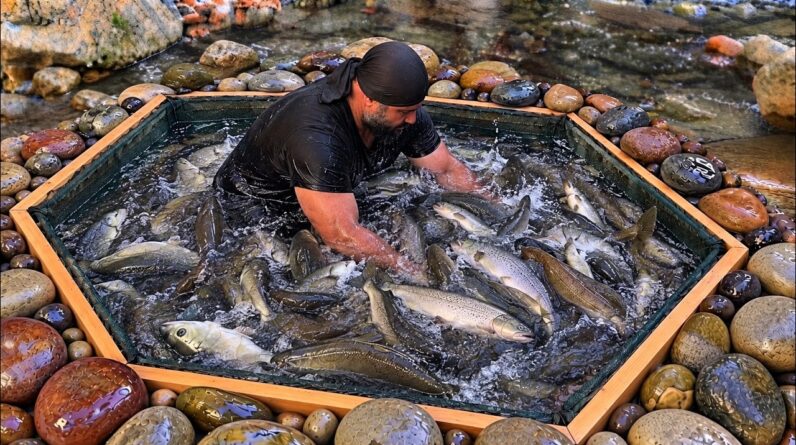
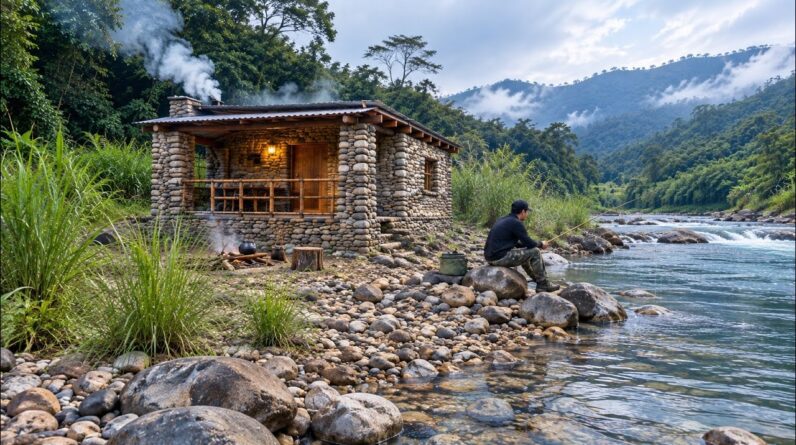
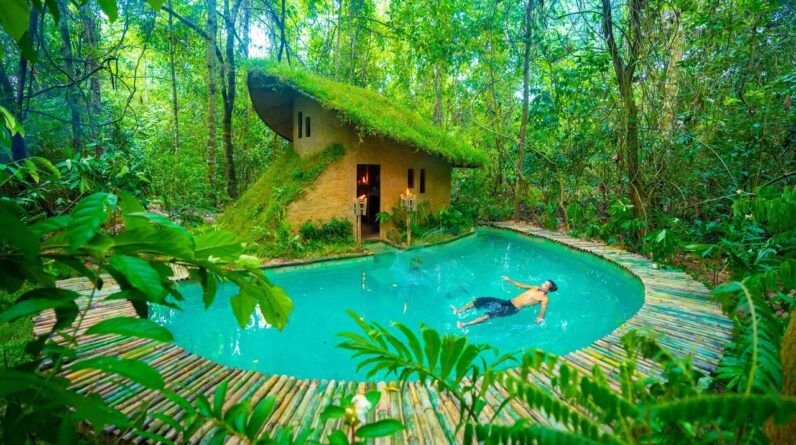
The jungle is one of the most unforgiving survival environments on Earth. Dense canopy blocks sunlight, humidity soaks through every layer of clothing, and the constant buzz of insects reminds you that you are far from the top of the food chain. Yet for millennia, indigenous peoples across Southeast Asia, South America, and Central Africa have not just survived but thrived in these environments using nothing more than what the forest provides. The video above demonstrates exactly how they did it, walking through real-world primitive shelter construction, resource identification, and long-term forest living techniques.
This is not recreational camping. Jungle survival demands a completely different mindset from temperate wilderness skills. Visibility is measured in feet, not miles. Everything is wet, even when it is not raining. Materials that would last for months in a dry climate decompose in days. The sheer density of life, from beneficial medicinal plants to deadly predators, means every decision carries real weight. Whether you are planning a remote tropical expedition or simply expanding your primitive bushcraft repertoire, the techniques shown here translate directly to real-world wilderness scenarios.
What sets jungle survival apart is the paradox of abundance. The forest offers everything you need: water, building materials, food, and medicine. But only if you know exactly what to look for. Misidentifying a plant can be fatal. Choosing the wrong shelter site can leave you flooded by morning. Building with the wrong wood can collapse your structure under its own weight. The video walks through each of these challenges systematically, showing how to read the jungle landscape and work with it rather than against it.
Key Survival Takeaways
- Natural Material Identification — The jungle provides an extraordinary abundance of building materials once you train your eye. Bamboo serves as structural support, container, and cooking vessel. Palm fronds make excellent waterproof roofing when layered from bottom to top. Woody vines and lianas function as natural cordage, often stronger than synthetic rope when fresh. Broadleaf plants provide insulation and bedding material. Learning to quickly identify and sustainably harvest these resources without depleting your immediate surroundings is the foundation of all primitive jungle construction.
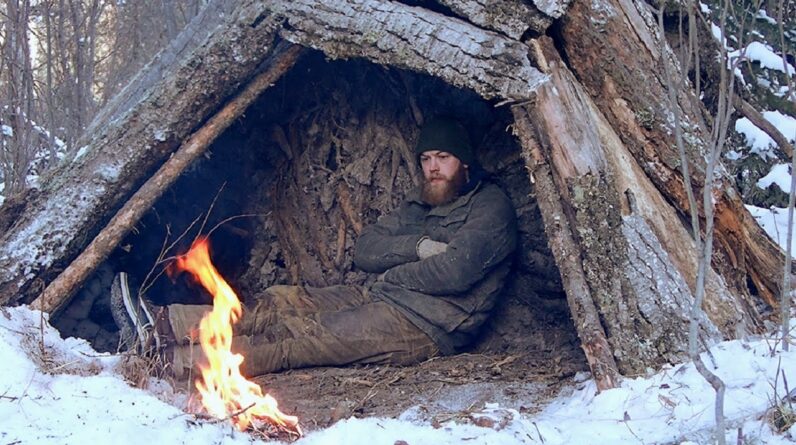
- Shelter Construction Fundamentals — Building with primitive tools requires understanding load-bearing principles. Sturdy vertical poles form the primary framework, lashed together with natural cordage harvested from vines or inner tree bark. A peaked roof design sheds heavy rainfall efficiently, while layered foliage applied from bottom to top creates both thermal insulation against nighttime temperature drops and reliable waterproofing against torrential downpours common in tropical environments.
- Site Selection and Ground Drainage — Jungle terrain is unforgiving when it comes to water management. Choose elevated ground with natural windbreaks, then carve shallow drainage channels around your shelter perimeter. This prevents the all-too-common scenario of waking up in a flooded camp during an overnight downpour. Always scout for ant hills and termite mounds as indicators of ground that stays dry even during heavy rains.
- Tool Improvisation From Natural Materials — When modern tools are unavailable, stone and hardwood can be shaped into functional implements. A sharpened hardwood stick becomes a digging tool for root harvesting. A flat river stone serves as a hammer or cutting surface. Bamboo sections with their natural waterproof nodes work as containers, water carriers, cooking vessels, or even primitive knife handles when split and sharpened properly.
- Fire Starting in Wet Conditions — Despite constant ambient humidity, fire remains achievable in the jungle. The key is locating dry tinder hidden inside dead standing tree trunks or beneath overhanging rock formations where moisture cannot penetrate. Combined with friction fire methods like the bow drill or hand drill, properly selected dry tinder can produce a sustainable flame even in persistently damp conditions. Once established, a small fire can be built up and maintained with green wood that burns once dried by the flames.
- Sustainable Foraging and Food Sourcing — The jungle offers abundant food sources, from edible palm hearts and wild tubers to fish caught in streams and protein-rich insects like grubs and palm weevil larvae. However, misidentifying plants can be fatal. Building reliable knowledge of local edible and medicinal plant species is a survival priority that pays daily dividends and should be developed before you ever need it in a real emergency.
- Water Procurement in Humid Environments — While the jungle contains abundant water, not all of it is safe to drink directly. Collecting rainwater in improvised catchments made from broad leaves, tapping vine water from specific non-toxic species, and boiling or filtering surface water from streams are all viable strategies the video demonstrates using only natural materials and primitive construction methods.
Field Tips for Jungle Survival
- Work in daylight hours. The jungle gets dangerously dark once the canopy blocks the last light. Prioritize shelter and fire before anything else, and always finish structural work before dusk.
- Elevate your sleeping platform. Sleeping directly on jungle ground exposes you to insects, snakes, and standing water. Build a raised platform using bamboo or sturdy branches lashed with vine cordage.
- Keep your cutting tool on you at all times. In dense vegetation, your machete or knife is your most critical survival asset. Never set it down where you cannot immediately reach it.
- Preserve natural cordage supplies. Do not strip all the vines from a single area. Harvest from multiple locations to ensure regrowth and maintain a sustainable supply for future needs.
- Test water sources before committing. Even clear-running stream water in the jungle can carry parasites. When in doubt, boil. A rolling boil for one minute at lower elevations kills most pathogens.
Essential Jungle Survival Gear
While the video emphasizes primitive techniques, carrying reliable gear dramatically improves your odds in any jungle survival scenario. A quality survival machete is the single most versatile tool for clearing dense brush, constructing shelters, and processing firewood in tropical vegetation. For reliable fire starting in persistently wet conditions, a ferrocerium rod fire starter outperforms matches or lighters that inevitably fail in high humidity. Durable paracord 550 survival rope replaces natural cordage when speed matters, letting you lash a shelter framework in minutes rather than the hours it takes to harvest and prepare vine cordage. A waterproof survival tarp provides instant weather protection while you build a more permanent natural structure. Finally, a compact portable water filter pump purifier ensures safe drinking water from jungle streams and rainfall collection systems without the fuel cost and time required for boiling.
As an Amazon Associate, we earn from qualifying purchases.
Building Jungle Competence Over Time
Jungle survival rewards those who learn to work with the environment rather than fighting against it. The primitive skills demonstrated in this video, from natural shelter construction to material identification, fire starting in wet conditions, and sustainable foraging, form a practical toolkit for anyone serious about wilderness self-reliance. Start by mastering one technique at a time. Practice in controlled conditions before you need them. Gradually build the confidence and muscle memory to depend on these skills when it truly matters. The jungle provides everything you need to survive, but only if you know how to find and use it.