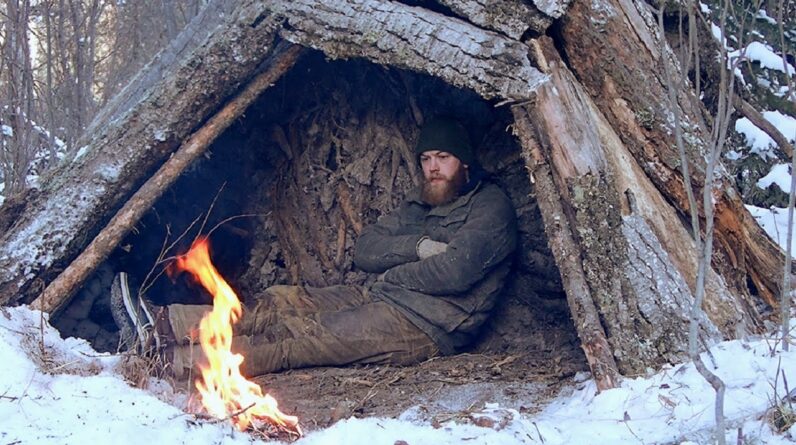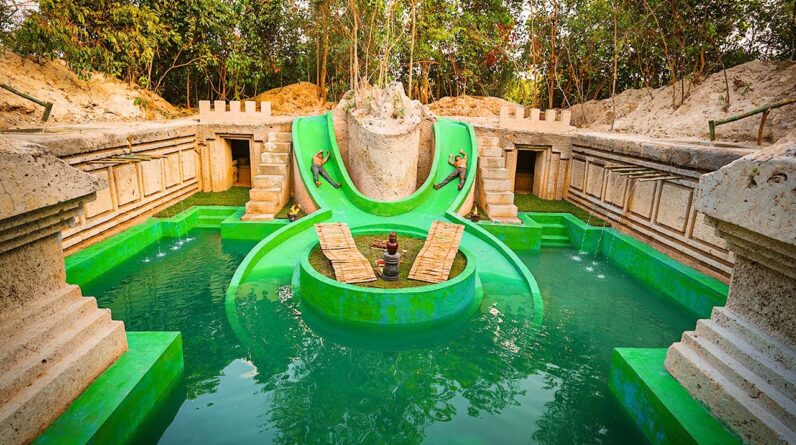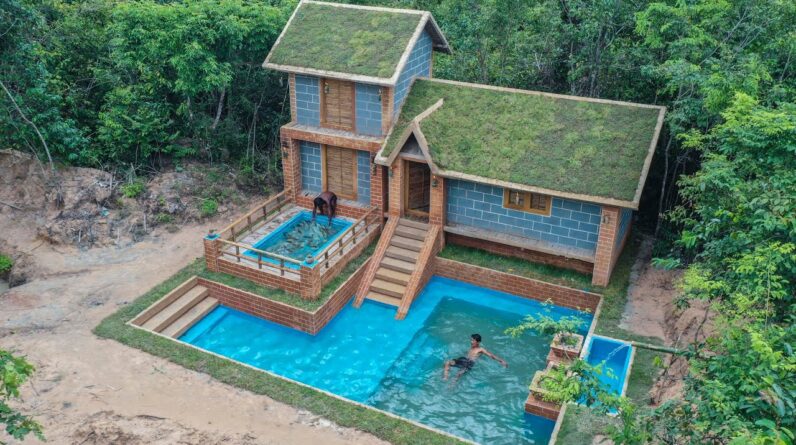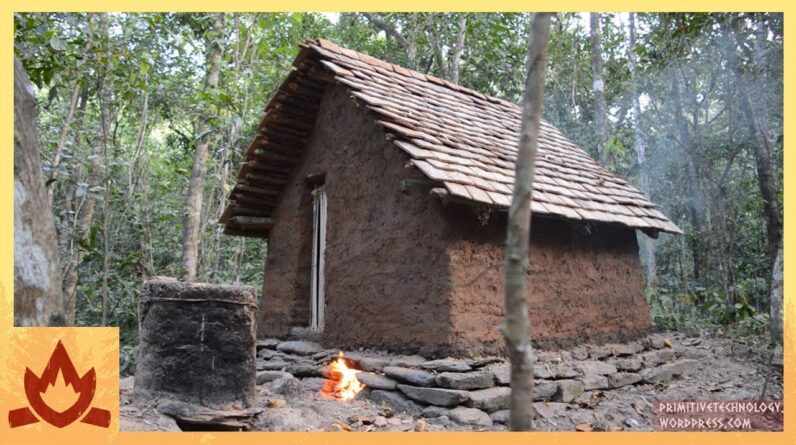
Surviving in the jungle demands a completely different skill set than temperate wilderness environments. Dense canopy blocks sunlight, humidity accelerates dehydration, and the sheer density of vegetation makes navigation and shelter-building physically exhausting. Yet jungle environments also offer an abundance of natural materials that, with the right knowledge, can be transformed into life-sustaining tools, shelters, and resources. This video from the Jungle Survival Skills series demonstrates practical techniques for thriving in forest environments using primitive technology and natural materials.
Throughout this installment, you’ll see how resourceful builders use what the forest provides — from weaving with vines and palms to constructing raised shelters that protect against ground moisture, insects, and flooding. The techniques shown are rooted in indigenous knowledge passed down through generations, adapted for modern survival scenarios. Whether you’re a backpacker venturing into tropical terrain or a bushcraft enthusiast expanding your primitive skills toolkit, these demonstrations offer valuable, hands-on lessons in forest self-reliance.
Key Survival Takeaways
- Build raised shelters: In jungle environments, sleeping directly on the ground exposes you to insects, snakes, and water pooling. Elevating your shelter using sturdy forked branches and bamboo platforms keeps you dry and significantly reduces contact with ground hazards.
- Master natural cordage: Vines, inner tree bark, and palm fibers can be processed into strong, functional rope. Learning to identify, harvest, and weave these materials is foundational — cordage is used for shelter construction, tool making, trapping, and fire-building.
- Use bamboo as a multi-purpose resource: Bamboo serves as building material, water containers, cooking vessels, firewood, and even cutting tools when split correctly. It grows abundantly in tropical forests and is one of the most versatile survival resources available.
- Construct debris insulation: Layering dried leaves, palm fronds, and forest debris creates thermal insulation for both shelter walls and bedding. Even in tropical climates, nighttime temperatures and wind chill can drop enough to cause hypothermia, especially when your clothing is damp.
- Develop tool-making skills: Stone and hardwood can be shaped into cutting tools, digging sticks, and processing implements. A simple sharpened hardwood stake can replace a knife for many bushcraft tasks, from splitting bamboo to processing food.
- Read the forest for water: Water collects in tree cavities, bamboo stalks, and banana plant bases. Large leaves can channel rainfall into containers. Knowing where to look prevents dehydration without expending energy on uncertain ground excavation.
- Work methodically, not frantically: Jungle survival is a marathon, not a sprint. The builders in this video demonstrate calm, deliberate progress — prioritizing shelter first, then improving it incrementally. Panic and rushing lead to injuries and wasted energy in high-humidity environments.
Gear & Equipment
While the video focuses on primitive techniques using natural materials, carrying a few essential items dramatically improves your odds in any wilderness survival situation. A quality survival machete is the single most useful tool for jungle environments — it clears brush, processes bamboo, splits wood, and can even be used for shelter construction. Pair it with a reliable ferrocerium fire starter for guaranteed fire ignition even in wet conditions. A 550 paracord bracelet provides instant cordage when natural materials aren’t immediately available, while a compact water purification straw ensures safe drinking water from any source. Finally, a waterproof tactical flashlight is essential for navigating dense forest after dark and signaling for help if needed.
As an Amazon Associate, we earn from qualifying purchases.
Conclusion
Jungle survival rewards patience, observation, and respect for the natural environment. The skills demonstrated in this video — from constructing elevated shelters to processing natural cordage — are not just bushcraft exercises. They represent a complete approach to wilderness self-reliance that could one day save your life. Practice these techniques before you need them, invest in quality gear as a backup, and always prioritize shelter and water in that order. The forest provides abundantly, but only to those who know how to ask.