



Venturing into the wild with nothing more than raw primitive tools is the ultimate test of wilderness endurance, physical stamina, and self-reliance. In this challenging environment, every shelter beam, spark of fire, and drop of clean water must be crafted from natural materials using fundamental primitive bushcraft techniques. Stripping away modern convenience reveals the core principles of survival: adaptability, patience, environmental awareness, and deep respect for nature’s raw resources.
Whether you are an experienced woodsman seeking to test your limits or a beginner prepping for off-grid emergency scenarios, understanding primitive tool creation and wilderness logistics is vital. This comprehensive guide explores the critical skills demonstrated in the solo survival challenge, covering resource prioritization, shelter architecture, primitive firecraft, natural water purification, and essential gear strategies.
Key Survival Takeaways
- Primitive Tool Selection: Crafting effective stone axes, digging sticks, and wooden wedges is essential for harvesting raw timber, clearing land, and manipulating natural resources effectively.
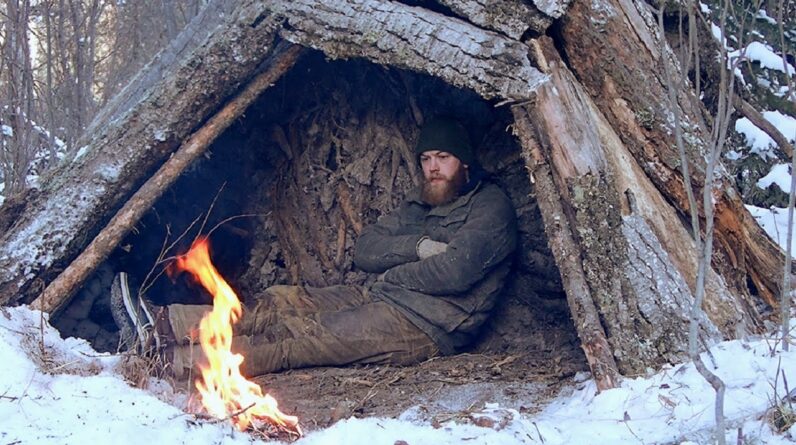
- Debris Shelter Construction: Building an insulated lean-to or A-frame shelter utilizing fallen timber, pine needles, and leafy debris provides critical thermal protection against high winds, low temperatures, and heavy rainfall.
- Friction Fire Management: Securing reliable tinder bundles like dry cedar bark or dried grasses is the key factor in converting friction sparks from a bow drill into sustainable campfires.
- Natural Water Procurement: Locating clean water sources and constructing primitive boiling containers using hot stones ensures safe hydration off the grid without modern metallic pots.
- Wilderness Foraging Tactics: Identifying local edible flora, roots, and setting simple cordage snares maximizes energy retention during multi-day solo stays in remote forests.
- Camp Ergonomics & Safety: Maintaining an organized campsite with proper fire perimeter clearing prevents accidental wildfires, deters nocturnal predators, and ensures operational efficiency.
Crafting and Utilizing Primitive Tools in the Wild
When modern tools are unavailable, your ability to fashion functional implements from stone, hardwood, and plant fibers directly dictates your survival odds. Crafting a sturdy primitive hand axe requires selecting a high-silica stone like flint, chert, or quartz that can be shaped through percussion flaking. Once a sharp edge is formed, split a resilient sapling handle, seat the stone securely, and lash it tightly using green vine fibers or split root material. Testing the blade’s stability against soft woods ensures it can withstand heavy chopping tasks without slipping from the haft.
In addition to cutting edge tools, digging sticks are fundamental primitive instruments for soil manipulation. Shaping a heavy hardwood branch with a fire-hardened tip allows you to excavate roots, dig Dakota fire pits, and clear flat sleeping benches. Fire-hardening involves gently baking the wood tip in hot embers without charring it, which condenses the cellulose fibers and hardens the point for heavy ground work. A well-crafted digging stick saves immense physical effort during shelter preparation and food foraging.
Shelter Design: Insulated Debris Cabins and Lean-Tos
Protection from hypothermia is your top operational priority during any solo wilderness survival scenario. A well-designed primitive debris shelter traps body heat and deflects external weather without requiring synthetic tarps or modern blankets. Start by selecting a thick ridge pole supported between two sturdy trees or a solid tripod arrangement. Lean rib poles at a 45-degree angle along both sides to form a strong A-frame skeleton capable of holding heavy dead loads.
Once the frame structure is secure, weave smaller branches horizontally across the ribs to create a dense thatch matrix that prevents loose insulation from falling into your sleeping area. The final step requires packing at least two to three feet of loose leaves, moss, pine needles, and forest duff over the framework. This thick insulation layer traps dead air pockets, creating an insulated microclimate capable of keeping an occupant warm even during freezing overnight temperatures.
Friction Fire Techniques and Ember Nurturing
Igniting a fire without modern matches or ferro rods tests both physical patience and technical precision. The bow drill and hand drill methods rely on friction to generate hot wood dust that forms a glowing ember. Success depends heavily on material pairing; using a soft wood spindle such as yucca, willow, or cedar against a matching soft wood hearthboard yields the best dust accumulation and friction heat.
Once a glowing coal forms in the notch of your hearthboard, transfer it carefully into a pre-constructed tinder bundle. Form your tinder ball using shredded inner tree bark, dried grass, or seed fluff. Gently cup the tinder bundle, elevate it to allow oxygen flow, and blow with slow, steady breaths until flames burst forth to ignite your kindling structure. Maintaining a steady hearth ember is the cornerstone of wilderness comfort and emergency survival.
Water Procurement, Boiling, and Sanitation
Hydration is critical for sustaining cognitive focus and physical energy during solo bushcraft missions. Finding running streams or natural springs is ideal, but raw surface water always carries risk of waterborne pathogens. In the absence of metal pots, hot stone boiling in a wooden trough or rock depression allows you to purify water effectively. Heat clean stones in a hot campfire until glowing, then transfer them into the water vessel using split green tongs until a rolling boil is sustained for several minutes.
In addition to boiling, basic filtration using charcoal, sand, and grass in a birch bark funnel removes suspended sediments and improves water clarity. Consuming clean, purified water prevents debilitating stomach ailments that could compromise your ability to gather food or maintain your campsite during a solo challenge.
Gear & Equipment
- Bushcraft Hand Auger & Wood Drill – Essential for boring precise peg holes and mortise joints in primitive timber projects.
- Full Tang Bushcraft Knife – A rugged high-carbon steel fixed blade knife for heavy batoning, feather sticking, and wood carving.
- Ferrocerium Rod Fire Starter – Produces shower of 5,500°F sparks to ignite tinder in all weather conditions.
- Stainless Steel Camp Cooking Pot – Durable metal pot for boiling water, cooking stews, and melting snow off-grid.
As an Amazon Associate, we earn from qualifying purchases.
Conclusion
Mastering solo survival with primitive tools equips you with unshakeable confidence and resilience in the outdoors. By building strong shelters, fashioning natural implements, purifying water, and starting fires from raw materials, you unlock true wilderness self-reliance. Practice these fundamental techniques regularly in controlled environments to sharpen your bushcraft expertise for any future adventure.




WHO THINKS THEY CAN WIN IN STONE TETHER BALL?!
I love jstu❤
Lot angr
5:20–5:26 I knew u we’re gonna include that clip 😂😂😂😂 that lowercase scream was comedy
brick since you should do this
lord andrew
hi lord Andrew you shod go to a fort in bathtub
Lord Andrew
rust?
Ya'all need to take a course and then show what u learned
Lord Andrew please spare me see what I did speare spare
bad video
You guys need a lesson on how to use a striker. Lol
Two tips for starting the fire, one put the knife on a 45° angle, and put the rod closer in to the material that your lighting😊
Hi lord Andrew
my lord is hyper
lord andrew make a video of you suviving in a cave
Ur the best lord andrew
Lord Andrew you are the funniest man on earth
Lord Andrew,do more stuff like this
To my dear lord andrew hello and i want to called you the d of gods andrew the ruler
𝕀 𝕝𝕠𝕧𝕖𝕕 𝕪𝕠𝕦 ℙ𝕣𝕒𝕟𝕜. 🤣🤣😍😂
Bro just wanted to eat his cheese puffs
Lol watching this video after the Established Titles scam drama is kinda funny XD
Hi Lord Andrew can you please respond
Apparently no one that watches these videos heard that established titles was a giant scam.
clickbait
AAAAAAAAAAAAAAAAAAAAAAAAAAAAAAAAAAAAAAAAAHHHHHHHHHHHHHHHHHHHHHHHHHHHHHHHHHHHHHHHHHHHHHHHHHHHHHHHHHHHHHHHHHHHHH HAHAHAHAHAHAHAHAHAHAHAHAHAHAHAHAHAHAHAHAHAHHHHHAHHAHAHAHAHHAHA
Lord Andrew do a 50 hour challenge outdoor only using Petsmart items
My Lord your doing great you deserve a medal 🏅🎖️🥇🥇🥇🥇🥇🥇🥇🥇🏆🏆🏆🏆🏆🏆💵💵💵💵💵💵💰💰💰💰💰💰💰💰👏👏👏👏👍👍👍👍👍👍👍👍👍👍👍good job my Lord
Okay my lord Andrew thank you 😊
Lord andrew😂