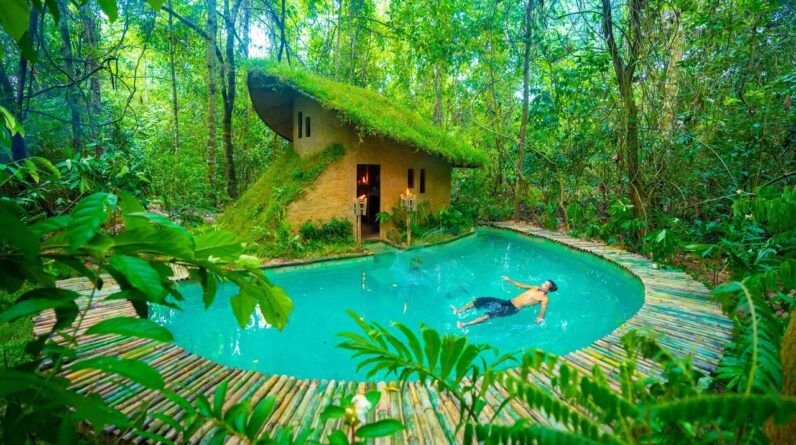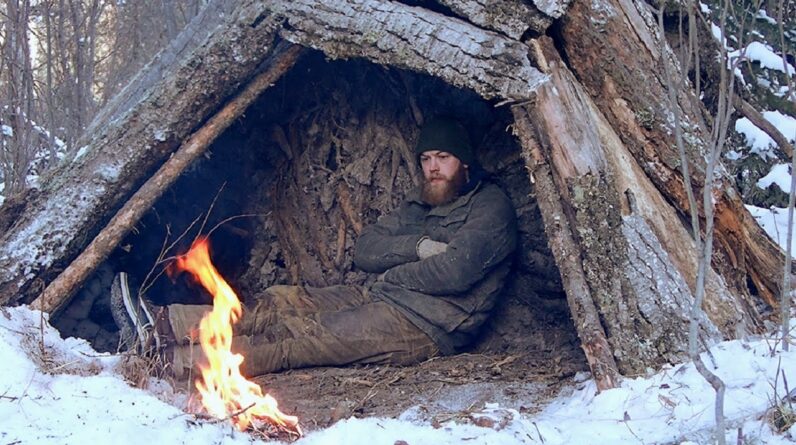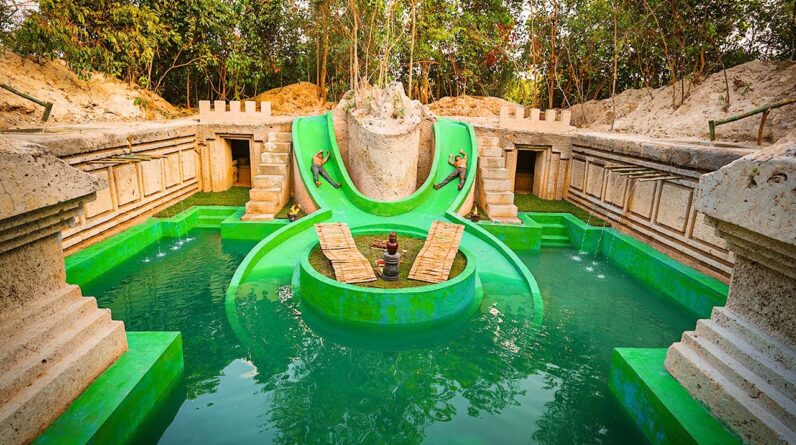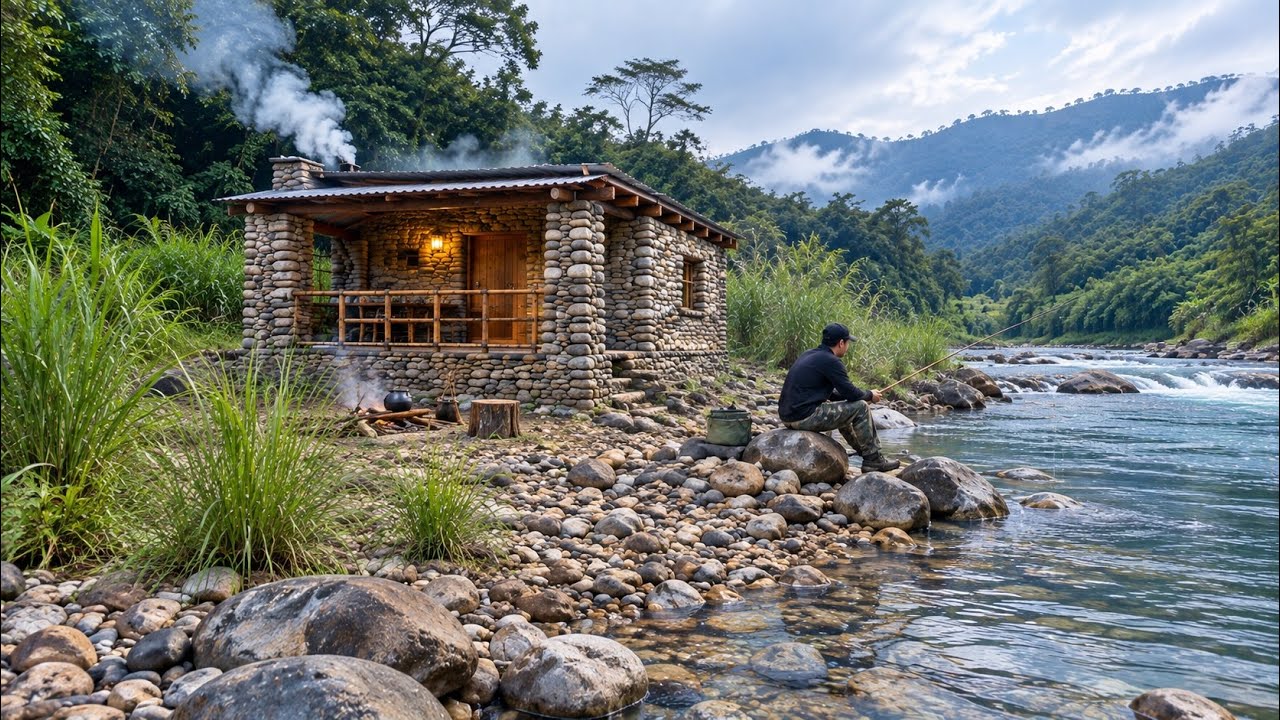
Building a durable shelter is one of the most fundamental survival skills, and few materials rival stone for longevity, weather resistance, and thermal mass. In this video, we watch the complete construction of a riverside stone house built entirely with hand tools and natural materials. The builder selects a riverside location for access to water and fishing, then methodically gathers stones, mixes mud mortar, and constructs walls, a roof, and interior features from the ground up.
What makes this build particularly valuable for survivalists is the emphasis on using what the landscape provides. Stone shelters can last for decades with minimal maintenance, unlike wood structures that rot and degrade. The riverside location offers a built-in food source through fishing, steady water access, and natural temperature regulation. Whether you are studying primitive building techniques for a long-term wilderness living situation or simply want to understand how our ancestors constructed permanent shelters, this build demonstrates every critical step from foundation to finished structure.
Key Survival Takeaways
- Site selection near water: The builder chose a riverbank location that provides drinking water, fishing opportunities, and natural cooling. When building a long-term shelter, proximity to a reliable water source is the single most important factor. Choose a spot above the high-water mark to avoid flooding, and ensure the ground is stable enough to support heavy stone walls.
- Stone gathering and sorting: Flat stones are prioritized for wall construction because they stack more stable and require less mortar. The builder sorts stones by size and shape, setting aside the largest flat pieces for the foundation and smaller stones for filling gaps. This systematic approach saves enormous effort compared to grabbing random stones and trying to make them fit.
- Mud mortar from river clay: Rather than relying on modern cement, the builder digs clay from the riverbank and mixes it with sand and water to create a natural mortar. This mud mortar binds the stones together and seals gaps against wind and rain. The ratio matters: too much clay cracks as it dries, while too much sand weakens the bond.
- Wall construction technique: Walls are built with a slight inward lean and staggered joints, similar to dry-stone construction. Each layer of stones overlaps the joints of the layer below, distributing weight evenly and preventing structural weak points. Gaps between large stones are filled with smaller stones and mud mortar for insulation and stability.
- River as a food source: The shelter design includes a fishing area, taking advantage of the river location. In a survival scenario, a stone shelter near a river provides passive food procurement through fishing traps, hand fishing, and nets. This eliminates the energy expenditure of daily foraging trips away from camp.
- Thermal mass for temperature regulation: Stone walls absorb heat during the day and release it slowly at night, creating a more stable interior temperature. This passive climate control is invaluable in environments with large day-to-night temperature swings. A small fire inside or near the shelter further enhances this effect.
- Roofing with natural materials: The roof is constructed using wooden beams overlaid with smaller branches, leaves, and mud. This layered approach sheds water effectively while adding insulation. The key is ensuring adequate slope for water runoff and enough overlap to prevent leaks at joints.
Gear and Equipment
If you are planning a stone shelter build or practicing primitive construction techniques, having the right tools makes the work dramatically more efficient. A masonry hammer and chisel set helps shape stones for tighter fits. A durable heavy-duty digging shovel is essential for foundation work and extracting river clay. For hauling stones and materials, a folding canvas wheelbarrow saves your back over long builds. Keep a compact fishing survival kit on hand to take advantage of the river location. Finally, a ferrocerium rod fire starter ensures you can maintain a fire for cooking, warmth, and processing materials throughout the build.
As an Amazon Associate, we earn from qualifying purchases.
Conclusion
Building a stone shelter by a river is one of the most rewarding primitive construction projects you can undertake. The combination of durable materials, natural food access, and passive temperature control creates a shelter that can serve you for years. The techniques shown here, from mud mortar mixing to dry-stone wall construction, are skills that translate to any long-term wilderness living scenario. Study the video closely, practice the individual skills, and you will be prepared to build a permanent shelter from nothing but what the land provides.