Primitive construction rewards patience. Clay roof tiles may look simple, but their performance depends on material quality, thickness, firing, overlap, roof pitch, and the shape used to distribute force.
This Primitive Technology experiment is not a quick emergency-shelter recipe. Its survival value is the testing mindset: make a small prototype, observe how it fails, and improve the design before spending scarce time, fuel, and labor on a larger structure.
Key Survival Takeaways
- Curved forms can distribute loads more effectively than unsupported flat pieces.
- Test natural materials in small batches before scaling up.
- Clay composition, drying, firing temperature, and thickness all affect durability.
- Roof pitch, overlap, and ridge treatment determine how well water drains.
- Use a controlled work area and protect eyes and hands during shaping and firing.
- Treat failed tests as useful information rather than forcing an unproven design.
Recommended Primitive-Building Gear
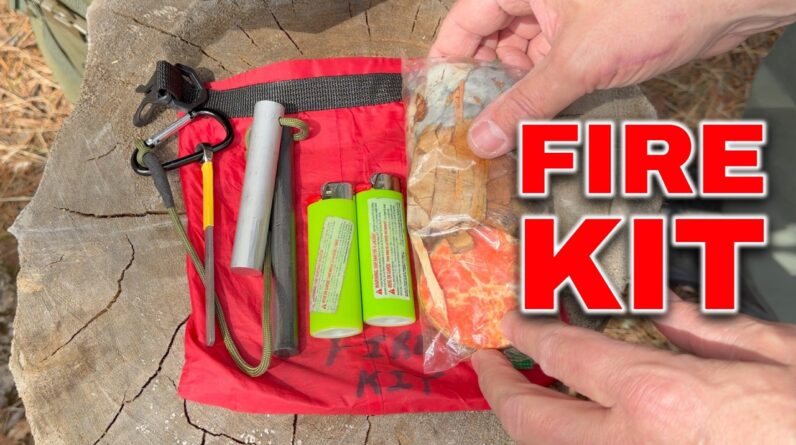
For supervised practice, use a digging trowel, leather work gloves, fire-starting kit, and eye protection.
As an Amazon Associate, we earn from qualifying purchases.
Never fire clay in an enclosed area or near combustible materials, and follow local rules for digging and open fires.