



Modern conveniences have disconnected many individuals from fundamental wilderness self-reliance skills that previous generations took for granted. In emergency situations—whether stranded after a vehicle breakdown, lost on a backcountry hike, or facing power grid failures—knowing how to secure basic physiological needs is the line between life and death. Modern outdoor survival revolves around three foundational pillars: constructing rapid emergency shelter, procuring clean drinking water, and generating reliable fire.
Mastering these core skills does not require expensive gear or years of military training. With minimal affordable equipment—such as a durable rain poncho, a portable water filter, and a ferrocerium rod—anyone can build a high level of outdoor readiness. Breaking down these three essential survival techniques equips outdoorsmen with actionable, practical knowledge for real-world wilderness emergencies.
Key Survival Takeaways
- Priority of Survival Rules: Remember the Rule of 3s: 3 hours without shelter in extreme weather, 3 days without water, and 3 weeks without food in harsh wilderness environments.
- Tarp & Poncho Shelter Geometry: A basic 550-paracord plow-point or lean-to setup using a rain poncho provides immediate wind and rain protection in under five minutes.
- Gravity Water Filtration: Utilizing hollow-fiber membrane filters eliminates 99.9999% of waterborne bacteria and protozoa without requiring precious fuel to boil water.
- Spark vs Flame Fire Ignition: Ferrocerium rods produce intense 5,000°F sparks that ignite synthetic tinders and dry natural fibers even when completely dripping wet.
- Insulation from the Ground: Over 50% of body heat lost outdoors is transferred directly into cold ground; always build a thick debris bed beneath your shelter floor.
- Layered Fire Building Strategy: Prepare all tinder, kindling, and fuel logs before striking your fire starter to ensure guaranteed flame ignition and fire maintenance.
Skill 1: Rapid Emergency Shelter Construction
Hypothermia is the leading cause of death in wilderness emergency situations, occurring even in mild temperatures when wind and rain are present. Constructing a rapid shelter must take priority when weather conditions deteriorate. A military-style rain poncho combined with 550 paracord serves as an incredibly versatile shelter system. By tying off a ridge line between two sturdy trees and anchoring the corners with wooden stakes, you can pitch an effective lean-to or A-frame shelter in minutes.
Equally critical is ground insulation. Conduction rapidly siphons body heat into cold earth or wet snow. Before laying down inside your shelter, construct a debris mattress at least six to eight inches thick using dry pine needles, leaves, or evergreen boughs. This insulating barrier creates a thermal dead-air space that keeps your body dry and retains essential body heat throughout the night.
Skill 2: Field Water Procurement and Filtration
Dehydration degrades physical performance and cognitive function within hours, leading to impaired decision-making in critical situations. While natural water sources like streams and lakes may appear pristine, they often harbor deadly pathogens like Giardia and Cryptosporidium. Carrying a compact hollow-fiber microfiltration system allows you to drink safely from almost any freshwater source without waiting for fires to boil water.
For efficient campsite water processing, set up a gravity filtration system. Fill a collapsible water bladder from a stream, connect your inline filter, and suspend the bag from a tree branch above a clean water container. Gravity pulls water through the microscopic filter pores, producing clean drinking water automatically while you focus on building shelter or gathering firewood.
Skill 3: Fail-Safe Fire Generation
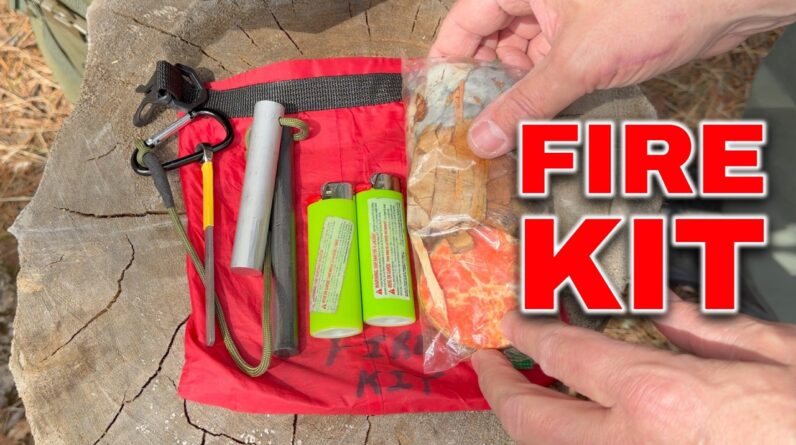
Fire provides warmth, dries wet clothing, purifies water, cooks food, and delivers psychological comfort during emergency stays. Relying solely on standard matches or disposable lighters can fail in wet, windy weather. A ferrocerium (ferro) rod is the ultimate survival fire starter because it functions flawlessly regardless of altitude, cold, or moisture exposure.
To guarantee quick fire ignition, carry reliable commercial tinders like wax-infused cotton fireplugs or lint petroleum jelly balls. Scrape your ferro rod firmly with a sharp spine scraper to direct a shower of molten hot sparks directly onto your tinder nest. Once a flame takes hold, gradually feed fine dry twigs before adding larger split fuel logs. Preparing your wood piles by size before striking a single spark ensures seamless fire building success every time.
Gear & Equipment
Build your emergency survival kit with these reliable, field-tested core essentials:
- Sawyer Squeeze Water Filtration System – Top-rated micro-squeeze filter for removing bacteria and protozoa in the field.
- Ferrocerium Rod Fire Starter – Heavy-duty ferro rod generating reliable 5,500°F spark showers for thousands of strikes.
- Military Style Ripstop Rain Poncho – Dual-purpose waterproof rain gear that converts into an emergency survival tarp shelter.
- Commercial Grade 550 Paracord (100ft) – Essential 7-strand nylon cordage for shelter rigging, gear repair, and survival ties.
As an Amazon Associate, we earn from qualifying purchases.
Conclusion
Mastering emergency shelter erection, gravity water filtration, and ferro rod fire starting builds unwavering confidence in the outdoors. These three core skills form the backbone of practical wilderness survival, protecting you against harsh elements and unexpected emergencies. Practice these fundamental techniques on your next outdoor trip to ensure you remain prepared for whatever challenges nature throws your way.





I love making fires in the woods with the familly and I've always been drawned to nature, but sometimes I'm fearfull in my aptitude. When I speak of such interest to my peers at school they laugh it off and only talk about wasting themselves. You are right much has been lost but I will not let this stop me. Thanks for what you do.
Good video
It should also be mentioned that water near agriculture cannot be cleaned with a filter due to the chemicals.
Bicycle tyre tube is one of the best fire starters I have ever used, even if it's wet.
Stick it in your pocket for 5 then it's dry again.
😂 "Love that song!, "MAKE A FOLLOW -UP HIT!!" 🤣🤣….(I'd listen to it if it was on (Radio Play)."
I like it. Thank you
Awesome info
I started watching preparedness videos at the start of the pandemic. Happy to have found your video today.. looking forward to seeing more. I need to get out and practice. I am one of those that learns best by doing – though I have been absorbing a lot of info..
You guys know nothing about survival! This is just a pathetic sales pitch for your sponsors. 🙈😂
18:43 awwww tender kindling fuel. Come for the survival stay for the ambiance
Thanks guys! 👌💯
Awesome intro !
👍
Nice job guys
Suscribed.
I love this type of content.
Lookng up to buy a bike and start traveling and camping a lot in the coming years, thats just something I would love to do, and knowing this kind of stuff always comes in handy.
10:31 😂 I thought he was going to say a blow up doll.
Good stuff brothers. Men need to remember how to be men. Basic survival, thanks for what you do.
"I'm weak and wants wrong with that" but thats gay
What's with Americans addiction to baseball caps. 😮
2 gay dudes teach you how to share a tent and a meat pocket
Jokes on you I am a woman
I run a lodge in Michigan’s Upper Peninsula and this is a solid video to share with curious and inexperienced guests to get them some basic info before they arrive. Thanks gents.
Nice content
LOL IM GLAD I GROW UP IN A SMALL VILLAGE IN COMUNIST POLAND AND DONT HAVE TO BOIL OR PURIFY LAKE RIVER OR MOST MOUNTAINS CREEK WATER SOURCES !
Camping for years in Canada and US . Never got sick !
My efforts at #wilderness_survival_school say : lack of planning
.
.
.
.
.
🪣?? This is incident 17 😒
I stopped watching 30 seconds into it.
Best sponsor intro
You might want to drain the sediment out of the top bag for a few seconds before running through the sawyer filter or if you have a small engine fuel filter for a pre-filter, this works Great too…
You reduce the life of your Sawyer by not pre-filtering out the junk. You can do that with a t-shirt, or some other piece of cloth. This will work, just reduces how much it'll work for. Not to forget backwash with clean water to clear junk out of the filter, too. Good video though.
Please, it is not soot it is silt.
… good info here … 05:32 ,, better to burn the ends ,all inner strand will be contained in the outer sheath …… burning the edges , all inner strands will fall apart …
"I've drank worse"…. You referring to the garden hose when we were kids? lol
1:47 very well said
Good content
Good basic video thanks
Good job!
Lost skills along the way ? Tbh white man skills were lost long before you set foot in the Americas. The conqueror's / settlers brought 1st world techniques with them. I would like to think that the 1st Nation indigenous still pass down the old ways in both the Americas and the Antipodes, just my opinion.
Still good content tho, happy to subscribe