Introduction
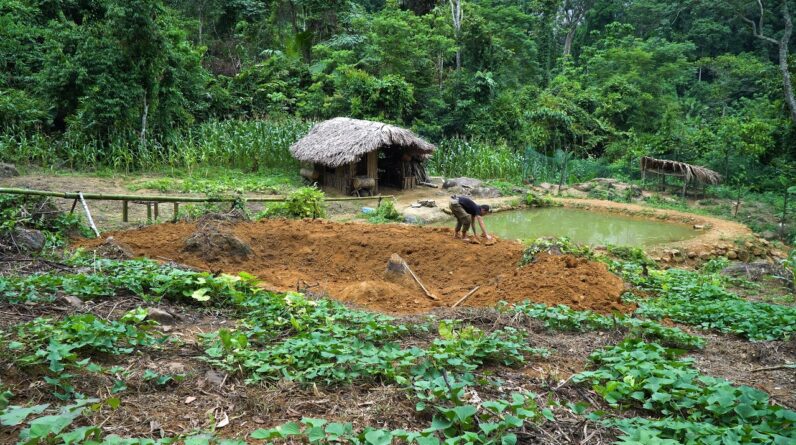
Making the leap to off-grid living is one thing, but keeping your homestead evolving and improving is where the real work begins. In this video from Martin Mountain, we get an inside look at major improvements being made to an off-grid homestead — covering everything from infrastructure upgrades to systems that make self-reliant living more sustainable through every season. The video walks through real-world homestead development, showing both the progress made and the challenges that come with building life off the grid.
Whether you are already living off the grid or planning your escape from the grid, there is plenty to learn from someone actively in the trenches of homestead development. This article breaks down the key takeaways from the video and translates them into actionable advice you can apply to your own property. You will learn about power system upgrades, water infrastructure improvements, shelter enhancements, heating solutions, food production strategies, and the gear that makes it all possible. If you are serious about building a resilient off-grid lifestyle, these improvements represent the kind of foundational work that separates a weekend hobby farm from a true self-reliant homestead.
Why Homestead Improvements Matter
Off-grid living demands constant adaptation. Unlike a grid-connected home where you can simply flip a switch or turn a faucet, an off-grid homestead requires you to generate your own power, source your own water, manage your own waste, and maintain every system yourself. Each improvement you make — whether it is adding a solar panel, upgrading your water filtration, or reinforcing your shelter — directly increases your independence and resilience. The homesteaders who thrive are the ones who treat their property as a living system that needs ongoing attention and investment.
Homestead improvements also compound over time. A better solar setup lets you run power tools, which lets you build better infrastructure, which in turn makes every future project easier and faster. The key is prioritizing improvements that give you the biggest return on investment in terms of time, energy, and self-sufficiency. Martin Mountain’s video provides a practical look at how this iterative process works in real life, showing both completed projects and work still in progress.
Key Survival Takeaways
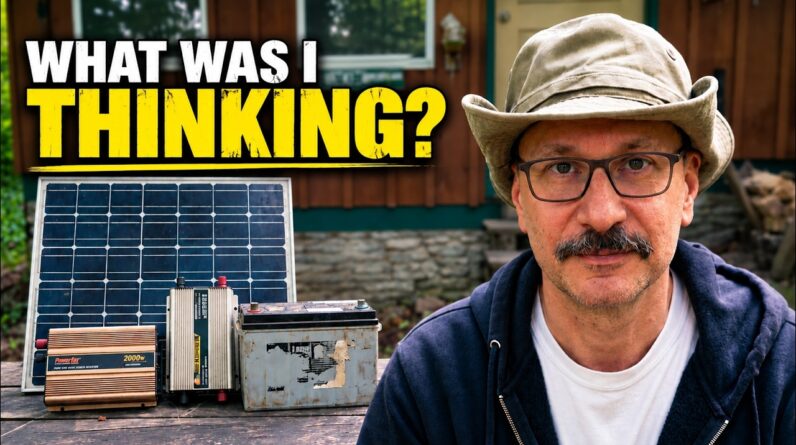
- Solar Power System Upgrades: Expanding your solar array and upgrading battery storage capacity is one of the most impactful improvements you can make. Adding panels increases your daily energy harvest, while a larger battery bank ensures you have power through cloudy stretches and long winter nights when sunlight is limited and demand for lighting and heating rises.
- Water Infrastructure: A reliable water system is the lifeblood of any off-grid homestead. Installing rainwater collection systems, digging wells, or setting up pumped water delivery from a nearby source ensures consistent access to water for drinking, cooking, cleaning, and irrigation year-round regardless of weather patterns.
- Shelter Insulation and Weatherproofing: Upgrading insulation, sealing gaps, and reinforcing your shelter against extreme weather reduces heating demands and keeps your living space comfortable. This is especially critical in climates with harsh winters or intense summer heat where temperature swings can stress both your home and your energy systems.
- Heating Systems: A dependable wood-burning stove or rocket stove provides off-grid heat without dependence on propane or electric heaters. Having both a primary and backup heating method is essential for winter survival on the homestead, and sourcing firewood sustainably from your own land adds another layer of self-reliance.
- Food Production and Storage: Expanding garden beds, building root cellars, and improving food preservation methods like canning, dehydrating, and fermenting extend your self-sufficiency through every season and reduce dependence on grocery supply chains that may not always be reliable.
- Tool and Equipment Organization: A well-organized workshop with quality hand tools means you can repair, build, and maintain your homestead without frequent trips to town. Tool maintenance is a daily discipline that pays dividends over time and is often overlooked by new homesteaders.
- Security and Perimeter Improvements: Fencing, motion-activated lighting, and secure storage protect your livestock, crops, and equipment from wildlife and trespassers — a critical consideration for remote properties where law enforcement response times can be measured in hours rather than minutes.
Essential Gear for Off-Grid Homesteading
Building and improving an off-grid homestead requires the right tools and equipment. Every project — from upgrading your solar array to improving your water system — depends on having quality gear you can rely on day after day. Here are some essential items that can make your homesteading journey more productive and sustainable:
- Off-Grid Solar Panel Kit – A complete solar kit with panels, charge controller, and inverter is the backbone of any off-grid power system. Look for kits rated for your daily energy needs.
- Deep Cycle Solar Battery – Store the energy your panels generate with a high-capacity deep cycle battery bank designed for renewable energy systems and repeated deep discharge cycles.
- Rainwater Collection System – Capture and store rainwater for irrigation and household use with a purpose-built collection barrel and first-flush diverter system.
- Portable Wood Burning Stove – A compact wood stove provides reliable off-grid heating and cooking capability without relying on fossil fuels or grid power.
- Off-Grid Water Filtration System – Ensure safe drinking water from any source with a multi-stage gravity filtration system designed for off-grid and emergency use.
As an Amazon Associate, we earn from qualifying purchases.
Conclusion
Off-grid homesteading is a continuous process of building, improving, and adapting to what nature throws at you. The major improvements shown in this video demonstrate that self-reliance is not a destination but an ongoing journey of upgrading your systems, sharpening your skills, and investing in durable gear. Start with the fundamentals — power, water, and shelter — and keep pushing your homestead forward one project at a time. The reward is a life of independence, resilience, and the deep satisfaction of knowing you can provide for yourself and your family no matter what comes your way.