Deep in the East African rift valley of Tanzania live the Hadza people, one of the world’s last remaining true hunter-gatherer societies. For tens of thousands of years, the Hadza have survived exclusively by hunting wild game, harvesting bush honey, and foraging native tubers using primitive hand-crafted tools. Their deep, intimate connection with the African savanna provides priceless insights into ancestral survival techniques, primitive metallurgy, wilderness tracking, and self-sufficient community living.
In this captivating wilderness expedition, survivalists journey alongside the Datoga blacksmiths to forge iron spearheads and arrows before joining the Hadza on an authentic savanna hunt and honey forage. From blowing hand bellows over charcoal forge fires to locating wild bee hives high in baobab trees using the calls of the honeyguide bird, this article breaks down the ancestral skills, primitive tool fabrication, and wild foraging wisdom showcased during this immersive African survival journey.
Key Survival Takeaways
- Ancestral foraging mastery: Identifying edible wild tubers, baobab fruit, and wild honey provides balanced wilderness nutrition.
- Primitive metallurgy: Datoga artisans use scrap metal, hand-pumped skin bellows, and charcoal fires to forge functional weapons.
- Symbiotic bird tracking: Collaborating with the wild honeyguide bird allows foragers to locate hidden honeycombs in massive trees.
- Herbal smoke calming: Utilizing specific smoldering savanna plants calms wild African honey bees during comb extraction.
- Primitive archer crafting: Constructing heavy draw-weight bows from local hardwoods and animal sinew delivers lethal game-taking power.
- Communal survival culture: Egalitarian resource distribution and collective hunting ensure long-term tribal resilience in harsh terrain.
Primitive Metallurgy and Spear Forging with the Datoga
Before setting out into the savanna, securing durable iron points is essential for hunting efficiency and predator defense. The Datoga tribe are renowned master blacksmiths who utilize traditional open-air forge setups. Using discarded scrap metal, they heat iron to incandescent temperatures in localized charcoal hearths powered by dual goatskin hand bellows. The intense airflow elevates forge temperatures past 2,000 degrees Fahrenheit without modern electric blowers.
Working on heavy stone anvils, Datoga smiths hammer red-hot iron into razor-sharp spear points, broadhead arrows, and specialized barbed points designed for holding game. Once shaped, the metal is heat-treated by quenching in organic oil or water, hardening the steel edge so it maintains sharpness through heavy wilderness use. Learning these basic blacksmithing principles allows survivalists to repurpose scrap metal into critical survival tools in remote conditions.
Furthermore, shaping functional tangs and socket connections enables blacksmiths to securely attach iron points to hardwood arrow shafts or spear handles using animal sinew and plant resin binders. This fusion of metalwork and primitive joinery results in weapons capable of penetrating thick animal hides during savanna hunts.
Wild Honey Harvesting and Savanna Foraging Secrets
Wild honey is one of the most calorie-dense superfoods available in the wild, containing raw sugars, carbohydrates, enzymes, and nutrient-rich bee pollen. Finding wild hives in vast savanna woodland would be nearly impossible without the help of the Greater Honeyguide bird. The Hadza whistle specific calls to communicate with the bird, which flies from tree to tree, guiding the foragers directly to bee nests hidden inside hollow baobab trunks.
Upon locating a hive, Hadza foragers scale vertical tree trunks using peg stakes driven into the bark. They ignite bundles of dry savanna brush and green leaves, blowing thick herbal smoke into the hive entrance. The smoke suppresses alarm pheromones, allowing foragers to reach deep into the tree hollow to extract rich honeycombs filled with sweet honey and protein-packed bee brood. Combined with dug-up wild tubers, this provides immediate energy for long treks.
In addition to honey, foraging for tubers requires specialized wooden digging sticks tipped with fire-hardened points. Hadza women locate hidden tuber vines beneath dry savanna soil and excavate deep root systems containing vital moisture and starch that sustain the tribe during dry seasons.
Savanna Tracking, Fire Making, and Wilderness Mindset
Navigating and hunting in the African bush demands hyper-awareness of animal sign and environmental cues. Hadza hunters read subtle ground disturbances—bent grass blades, bruised soil, fresh dung, and broken twigs—to track game animals across dry earth. Their silent walking technique minimizes noise, allowing archers equipped with powerful sinew-backed bows to close the distance on wary prey.
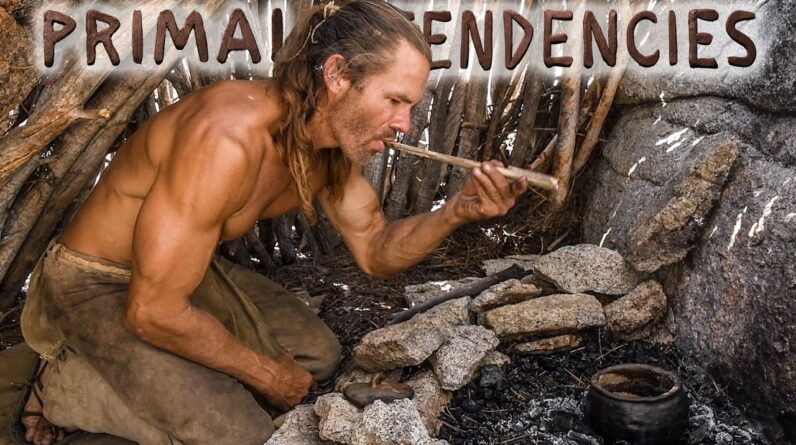
At the end of the day, fire is produced in seconds using two sticks: a hard drill stick rotated rapidly between palm hands against a soft wooden hearth board. The resulting hot wooden ember is transferred into dry grass tinder, igniting a campfire for roasting fresh wild game. Embracing the Hadza’s calm, observant mindset reminds survivalists that adaptability, endurance, and deep nature connection are the ultimate survival assets.
Gear & Equipment
Full Tang Bushcraft Machete: Rugged clearing tool for trail chopping, wood harvesting, and brush clearing in dense terrain.
Heavy Duty Ferro Rod Fire Starter: Reliable fire starter producing 5,500 degree sparks to light tinder in any weather condition.
Bushcraft Canvas Foraging Pouch: Collapsible belt pouch perfect for gathering wild edibles, roots, tinder, and foraging finds.
Reinforced Leather Work Gloves: Thick protective gloves for handling rough timber, hot embers, and thorny savanna vegetation.
As an Amazon Associate, we earn from qualifying purchases.
Conclusion
Studying the Hadza tribe provides a timeless reminder of human resilience, environmental harmony, and the effectiveness of primitive skills. By mastering basic metallurgy, wild plant identification, tracking, and friction fire, you equip yourself with knowledge that has sustained humanity for millennia.