Introduction
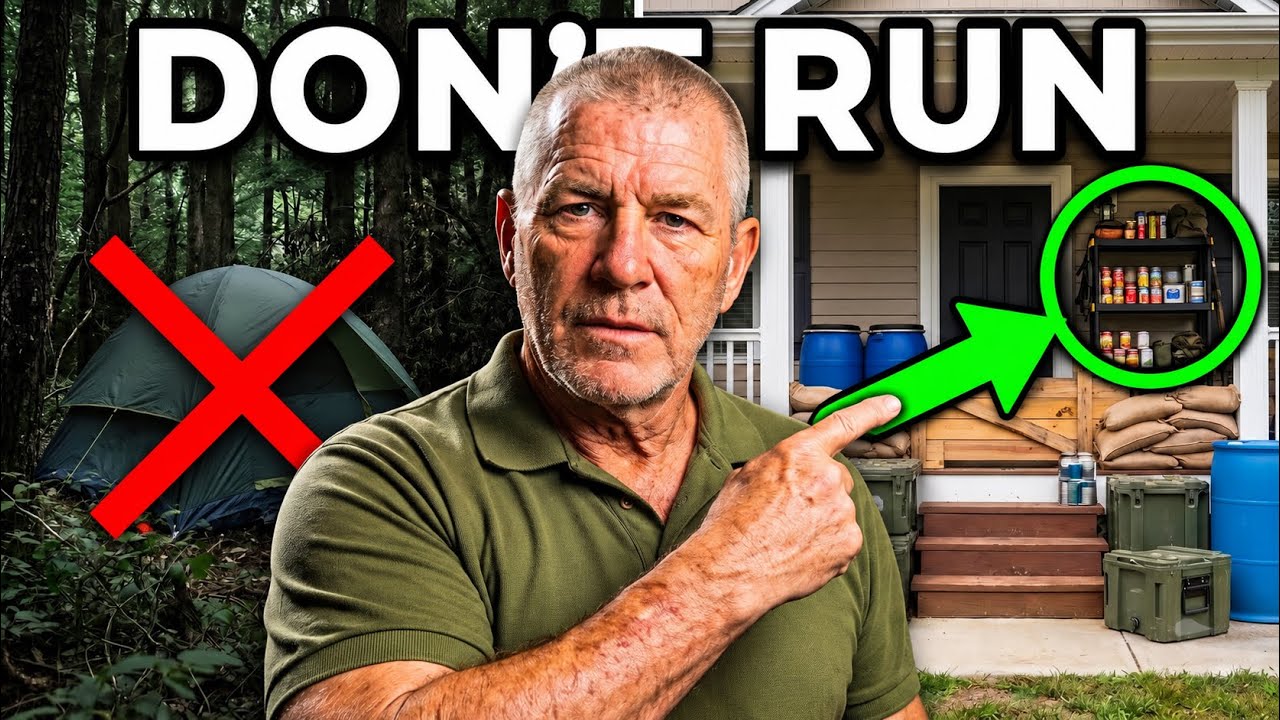
When disaster strikes, the instinct to grab a backpack and flee to the wilderness is strong — but it is also one of the most dangerous decisions you can make. In this video, former Marine Walter Tillman breaks down exactly why bugging in and fortifying your home is almost always the smarter choice when SHTF. Drawing on military doctrine and real-world preparedness principles, he challenges the popular survivalist fantasy of disappearing into the woods and replaces it with a practical, defensible strategy centered on your home.
You will learn why your home is your greatest survival asset, how to approach hardening your doors and windows, what matters most in water storage and supply planning, and how to think about home defense from a tactical perspective. Whether you are new to prepping or have been building your readiness for years, this video offers a grounded, no-nonsense framework that prioritizes protecting your family over romanticized wilderness escape plans.
The truth is that most preppers spend more time daydreaming about bug-out bags than securing the place they already live in. Tillman flips that script entirely, making the case that the best survival move you can make is right where you are — assuming you put in the work before crisis hits.
Key Survival Takeaways
- Your home is a force multiplier. You already have shelter, supplies, familiar terrain, and community nearby. Abandoning that for an uncertain wilderness environment puts you at a massive disadvantage, especially if thousands of others had the same idea.
- Harden entry points before crisis hits. Reinforcing doors with longer screws in strike plates, adding door braces, and installing shatter-resistant window film are low-cost upgrades that dramatically slow down forced entry.
- Water storage is non-negotiable. Store at least one gallon per person per day for a minimum of two weeks. Rotate your supply regularly and have multiple purification methods as backup, because running out of water forces you to leave your shelter.
- Concealment matters more than confrontation. A hardened home that does not look like a target is safer than one bristling with obvious defenses. Keep your preparedness low-key and avoid drawing attention during a crisis.
- Community is a survival asset. Trusted neighbors who watch each other’s property create a mutual defense network that no solo survivor in the woods can replicate. Build those relationships now, not during an emergency.
- Have a plan for when to leave. Bugging in is the default, but you still need evacuation triggers — fire, chemical spill, structural compromise — and a pre-planned route with a destination, not a vague notion of heading for the hills.
- Training beats gear. A $2,000 rifle will not save you if you have never practiced room clearing, communication protocols, or stress-based decision making under pressure.
Essential Gear for Bugging In
Building a solid bug-in strategy does not require a fortune, but a few key pieces of gear make an enormous difference. Start with physical security: a heavy-duty door brace can stop a kick-in attempt cold, while shatter-resistant window security film delays entry through glass. For water, a 55-gallon water storage barrel gives you a serious reserve, and a Sawyer water purification filter handles resupply from any source. Finally, a high-lumen rechargeable tactical flashlight is essential for power-outage defense and perimeter checks.
As an Amazon Associate, we earn from qualifying purchases.
Conclusion
The fantasy of bugging out to live off the land sounds thrilling, but reality tells a different story. Your home, properly hardened and supplied, gives you the best odds of keeping your family safe when things go sideways. Invest in door security, build your water reserves, train with your community, and have a realistic evacuation plan for the few scenarios where leaving truly is the only option. Preparedness is not about running away — it is about making your position unshakeable.