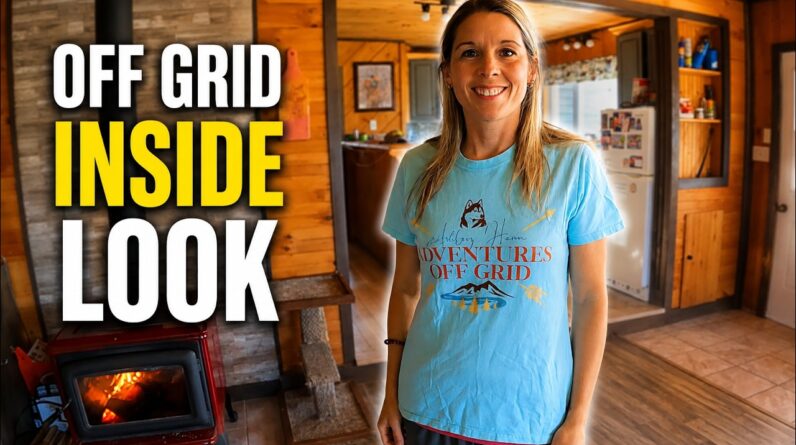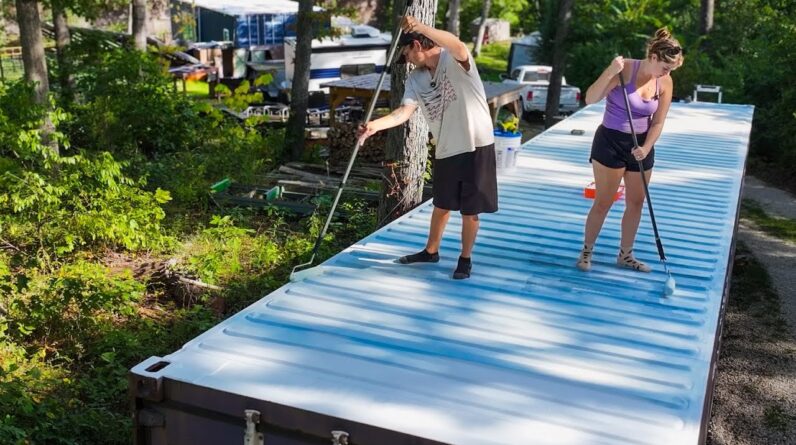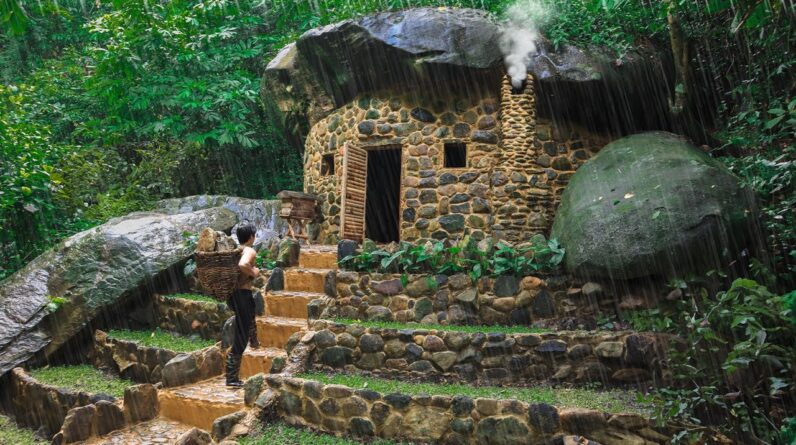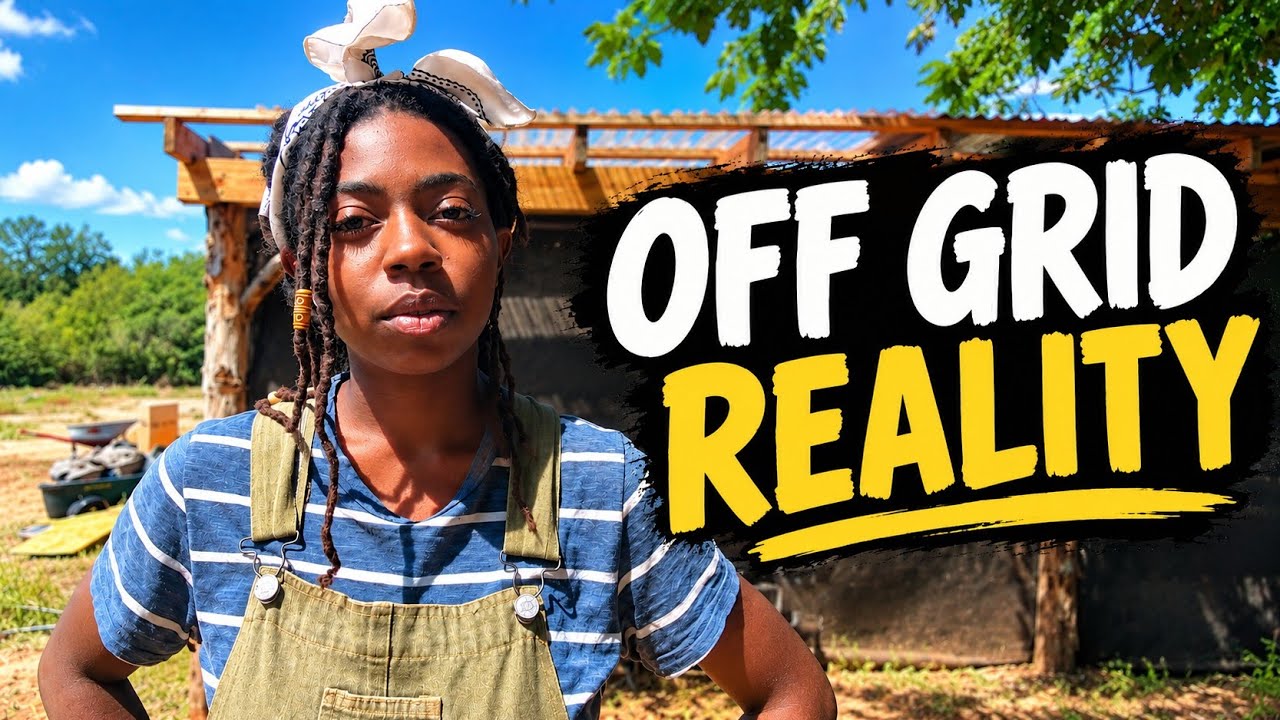
The romantic vision of off-grid living — morning coffee on the porch, solar panels humming quietly, a garden bursting with produce — is only half the story. The other half is the grinding, unglamorous work that nobody posts about: fixing frozen water lines at dawn, chasing livestock out of your garden, and managing power budgets down to the watt during a week-long storm. The reality checks shared by people who are actually doing it reveal just how demanding self-reliance can be when there is no utility company to call.
In this article, we break down the hardest lessons from real off-grid experience — the ones that cautionary tales and Instagram homesteads leave out. From extreme weather that exposes every weakness in your systems to the daily maintenance that keeps everything running, these are the truths you need to hear before going off grid. Whether you are planning a move to a rural property or just want to strengthen your preparedness mindset, understanding the hidden challenges of off-grid living will save you time, money, and frustration.
What separates successful off-grid homesteaders from those who abandon the lifestyle within two years is not money or muscle — it is mindset. The people who thrive treat every system on their property as a potential failure point and build redundancy into their water, power, and heating setups. They understand that off-grid living is not about escaping responsibility but about absorbing all the responsibilities that a utility company, a municipal water department, and a grocery supply chain used to handle for them. These hard truths are not meant to discourage you but to prepare you for a life that is as demanding as it is rewarding.
Key Survival Takeaways
- Extreme weather is your biggest test: Storms, deep freezes, and heat waves expose every weakness in your shelter, power system, and water setup. Plan for your worst-case season, not your average day. Insulate water lines, oversize your battery bank, and keep backup heat sources that do not require electricity.
- Animals and pests are relentless: Livestock escape, predators dig, rodents chew wiring, and insects invade food stores. Fencing repairs, predator deterrents, and rodent-proof storage become a constant — not occasional — part of your routine.
- Property maintenance never ends: Roof leaks, equipment breakdowns, and erosion happen faster when you are solely responsible for every system. A proactive maintenance schedule — inspecting, repairing, and replacing before failure — is the difference between a functioning homestead and a cascading crisis.
- Resource management is a daily discipline: Water, firewood, propane, and battery capacity are finite and deplete faster than you think. Learning to budget, conserve, and rotate resources — filling tanks before they are empty and splitting wood before you are cold — is the backbone of off-grid survival.
- Everything takes longer without conveniences: Cooking, laundry, heating water, and even bathing require planning, equipment, and time buffers. Off-grid living turns time into your most precious resource, and systems that create efficiency become essential to preserving it.
- Unexpected failures will happen: Inverters die, pumps freeze, and supply deliveries get delayed. The most off-grid-ready people are the ones who keep spares, know how to troubleshoot, and have contingency plans for when their primary system goes down.
- Community matters more than isolation: Despite the independence myth, successful off-grid living often depends on neighbors, local knowledge, and a support network for skills, tools, and emergencies that are too big to handle alone.
Essential Gear for Off-Grid Living
The realities of off-grid life demand reliable, field-tested equipment. A robust solar panel kit is the foundation of your power system and should be oversized for cloudy stretches. For water independence, an off-grid water filtration system ensures clean drinking water from rainwater catchment or a well. A wood burning cook stove provides both heat and cooking capability with zero reliance on the grid. For backups, a portable power station bridges the gap during storm repairs. And for the constant maintenance demands of homestead life, a quality homestead tool and repair kit is indispensable for keeping every system running.
As an Amazon Associate, we earn from qualifying purchases.
Frequently Asked Questions
How much does it cost to set up an off-grid homestead?
The cost varies widely depending on location, acreage, and system choices. A basic off-grid setup — land, a modest cabin, a small solar array, a well or rainwater catchment, and a wood stove — can range from $30,000 to $100,000. Larger properties with full solar arrays, battery banks, and permanent infrastructure can exceed $250,000. Many homesteaders start small and expand systems incrementally as budget allows.
How many solar panels do I need to live off grid?
A typical off-grid home requires a solar array between 3,000 and 6,000 watts (roughly 8 to 18 panels) depending on energy consumption, climate, and sun exposure. The critical factor is not just panel count but battery storage capacity — you need enough stored energy to last through cloudy stretches common in winter. Always oversize your system by 20-30% to account for degradation and unexpected demand.
Is off-grid living legal in all states?
Off-grid living is legal in all 50 states, but local zoning laws, building codes, and permit requirements vary significantly by county and municipality. Some areas restrict rainwater collection, require grid connections for certain structures, or mandate septic systems. Research your local regulations thoroughly before purchasing land, and talk to the county planning department about what is permitted on your specific parcel.
What is the biggest mistake new off-grid homesteaders make?
The most common mistake is underestimating power and water requirements. New homesteaders often size their solar system for ideal summer conditions and are caught short during winter when sun hours decrease and heating demands rise. Similarly, many fail to account for seasonal water variability — a spring that flows in May may be dry by October. Always design your systems for your worst-case season, not your best-case day.
Can I live off grid full-time with a family?
Yes, many families successfully live off grid full-time, but it requires significant planning and adjustment. Children adapt well to the lifestyle, but schooling, healthcare access, and social activities require strategic location choices. Families typically need larger power and water systems, more storage, and a reliable vehicle for town trips. The key is choosing a property within reasonable distance of a community that offers the services your family needs.
Conclusion
Living off grid is not a vacation from modern life — it is a full-time commitment to self-reliance that rewards preparation and punishes neglect. The people who thrive are not the ones with the most gear, but the ones who anticipate problems before they arrive and build systems resilient enough to survive failure. If you are considering the leap, start by reducing your dependence on conveniences now. The habits you build toward resourcefulness — conserving water, managing energy, and fixing things yourself — will translate directly to success when the power company is no longer a phone call away.