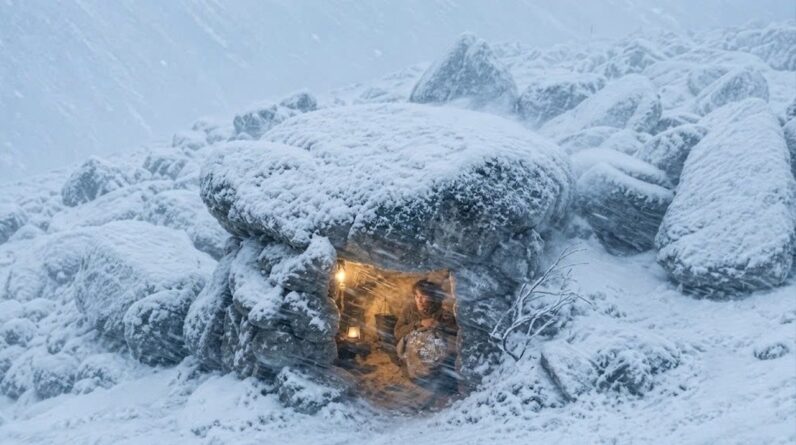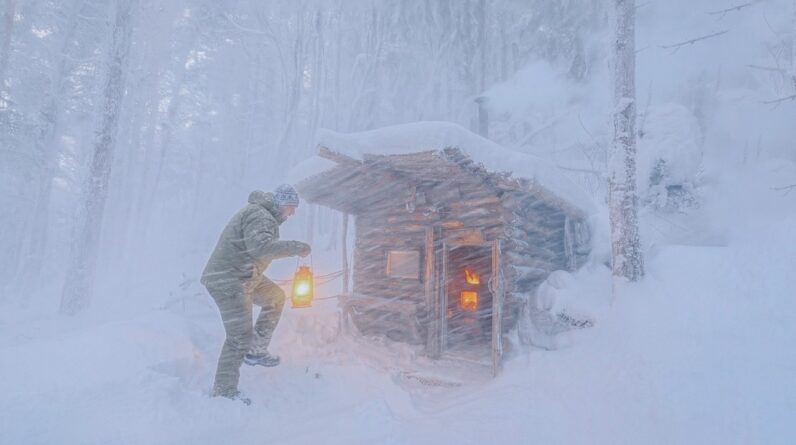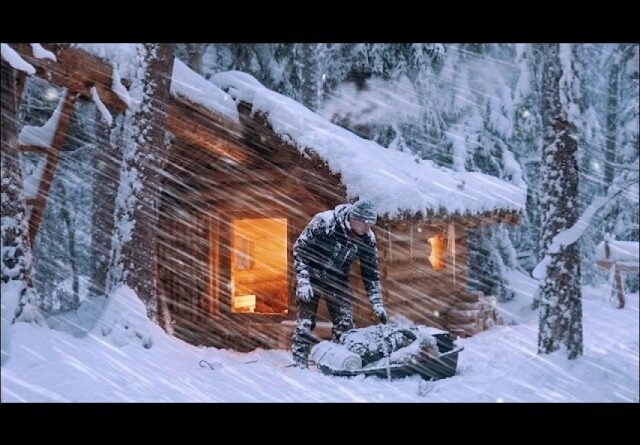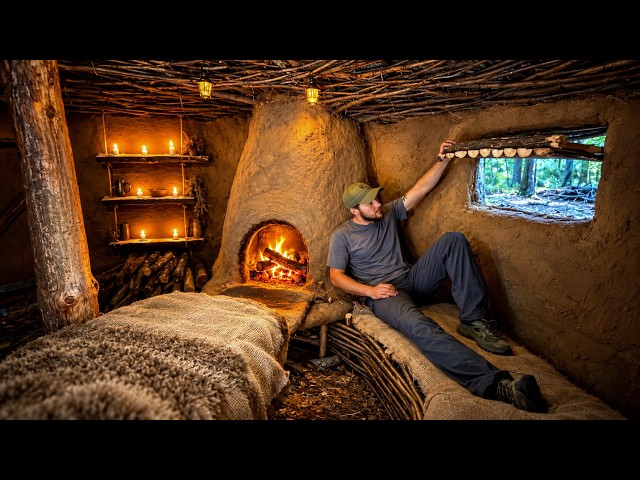
When you are facing harsh winter conditions in the wilderness, knowing how to build a warm, insulated shelter can mean the difference between life and death. In this video from Polissya Bushcraft, we watch the complete process of constructing a cozy log cabin deep in the forest, complete with a functional clay stove that provides reliable heat for cooking and warmth. This is primitive shelter building at its finest, using materials sourced entirely from the surrounding environment.
Whether you are a seasoned bushcraft enthusiast or someone preparing for worst-case survival scenarios, this build demonstrates practical techniques for felling logs, stacking walls, chinking gaps with natural materials, and constructing a clay stove from river mud and stone. The result is a durable, insulated shelter that retains heat effectively even in freezing temperatures. Read on for the key takeaways and the gear that will help you replicate this build in a real survival situation.
Key Survival Takeaways
- Log Selection and Preparation: Choose straight, medium-diameter trees for your cabin walls. Notch the logs at the corners using a saddle notch technique, which locks them together and distributes weight evenly across the structure.
- Chinking for Insulation: Gaps between logs let cold air in. Fill them with a mix of clay mud, moss, and small sticks. This natural chinking material hardens over time and creates an airtight seal that dramatically improves heat retention.
- Clay Stove Construction: A clay stove built from river mud, stones, and a simple flue system provides excellent heat output with minimal fuel. The clay absorbs and radiates heat long after the fire dies down, making it far more efficient than an open campfire.
- Roof Design Matters: A sloped roof with overlapping bark or moss layers sheds rain and snow effectively. Proper roof construction prevents water infiltration, which can rot logs and compromise structural integrity over time.
- Smoke Management: A poorly ventilated shelter will fill with smoke. Build a chimney or smoke hole above the stove, and ensure the flue has enough draft to pull smoke out while drawing fresh air in for combustion.
- Insulated Floor: Cold rises from the ground. Layering the floor with dry leaves, pine boughs, or bark creates an insulating barrier that prevents body heat from leaching into frozen soil during the night.
- Site Selection: Build on elevated, well-drained ground away from potential flood zones. Choose a spot with nearby access to water, building materials, and fuelwood to minimize energy expenditure during construction.
Gear & Equipment
If you want to build a log cabin shelter in the wilderness, having the right tools makes the job dramatically easier. A quality bushcraft felling axe is essential for cutting and shaping logs. You will also need a reliable fixed-blade bushcraft knife for carving notches and processing cordage. For moving and stacking heavy logs, a heavy-duty canvas log carrier saves your back and speeds up material gathering. A ferrocerium rod fire starter ensures you can get the clay stove going in any weather. Finally, a heavy wool survival blanket provides critical backup warmth inside your cabin while the stove heats up.
As an Amazon Associate, we earn from qualifying purchases.
Conclusion
Building a log cabin with a clay stove is one of the most rewarding and practical wilderness survival skills you can develop. It combines traditional bushcraft techniques with smart use of natural materials to create a shelter that can sustain you through the harshest winter conditions. The key is preparation: understand your environment, gather the right tools, and take the time to build properly. Whether you are practicing for a survival scenario or simply want to deepen your outdoor skills, this type of long-term shelter build teaches lessons that no kit or gadget ever could.
Frequently Asked Questions
How long does it take to build a log cabin shelter in the wilderness?
A small survival log cabin can take anywhere from several days to a few weeks depending on your tools, experience, and available materials. With just hand tools and natural materials, expect a minimum of 3 to 7 days for a basic weather-tight structure.
Is a clay stove safe to use inside a wooden cabin?
Yes, when properly constructed with adequate clearance from combustible materials and a functioning chimney. The clay acts as a thermal mass that contains the fire and radiates heat safely. Always ensure proper ventilation to prevent carbon monoxide buildup.
What is the best wood for building a log cabin shelter?
Cedar, pine, and spruce are excellent choices due to their straight grain, workability, and natural rot resistance. Avoid woods that are too hard to shape with hand tools or that rot quickly in contact with ground moisture.