Why Non-Firearm Home Defense Matters
When disaster strikes and law enforcement is overwhelmed, the security of your home falls entirely on you. But what if you don’t own a firearm, live in an area with strict gun laws, or simply want additional layers of defense that don’t require permits or background checks? The reality is that effective home defense doesn’t have to revolve around firearms. There are dozens of powerful, accessible weapons you can purchase online and have shipped directly to your door — no paperwork required.
This video explores 29 different home defense weapons across every category: crossbows, pepper ball launchers, tactical knives, blowguns, non-lethal pistols, and more. You’ll learn which tools offer the most stopping power, which work best in close-quarters encounters, and how to build a layered defense strategy using non-firearm alternatives. Whether you’re a prepper building a comprehensive security plan or a homeowner who wants to protect your family without relying on a gun, this guide walks you through every accessible option and helps you choose the right tools for your situation.
Key Survival Takeaways
- Crossbows deliver real stopping power without background checks. A quality crossbow can penetrate body armor at close range and serve as a silent, reusable primary defense weapon for preppers in restricted areas. Look for models with at least 80 lbs of draw weight.
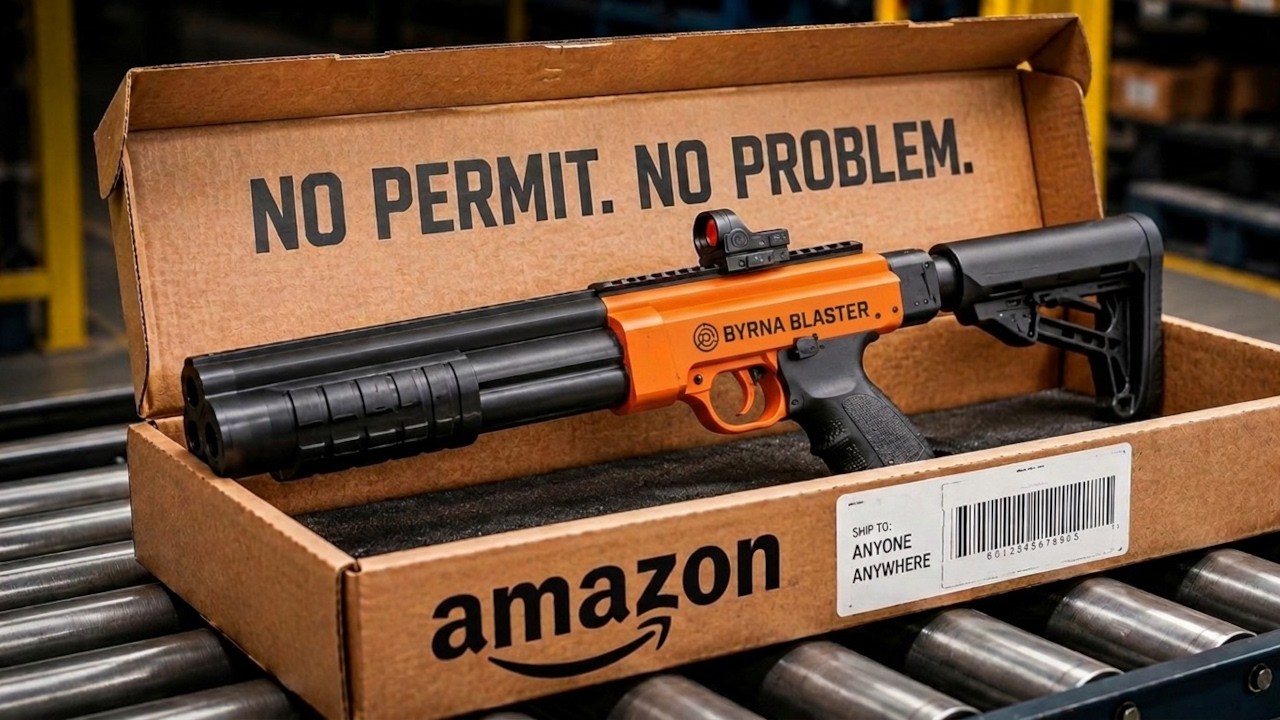
- Pepper ball launchers offer non-lethal distance defense. These devices fire .68 caliber projectile capsules that burst on impact, releasing pepper powder that incapacitates intruders without permanent harm — ideal for situations where lethal force isn’t justified.
- Tactical knives serve dual purposes. A fixed-blade tactical knife offers reliability in high-stress scenarios where folding mechanisms could fail, while also functioning as an everyday utility tool for survival tasks like cutting cordage, preparing food, and processing firewood.
- Blowguns require practice but offer stealth — they’re surprisingly effective for small-game hunting and can serve as a deterrent weapon. Caliber and dart type matter significantly; invest time in target practice before relying on one.
- Layered defense is the core principle — combining early warning systems (door sensors, motion lights) with multiple response options (distance weapons, close-quarters tools, non-lethal backups) gives you flexibility when facing different threat levels.
- Non-lethal options complement, not replace, decisive tools. Pepper spray, stun devices, and personal alarms should be part of your toolkit, but understand their limitations: they buy time and create opportunity, they don’t end threats.
- Training matters more than the weapon itself. Any tool is only as effective as the person wielding it. Regular practice with your chosen defense weapons builds muscle memory and confidence that you’ll perform when it counts.
Gear and Equipment for Non-Firearm Home Defense
Building a non-firearm home defense kit requires careful selection of reliable, accessible tools. Start with a quality tactical crossbow for a powerful, permit-free primary weapon with serious stopping power. Add a pepper ball launcher for non-lethal distance defense that stops intruders without lethal force. A fixed-blade tactical knife serves double duty as both a survival tool and close-quarters defense option. For additional less-lethal backup, keep pepper spray gel in key locations throughout your home, and reinforce all entry points with a door security bar to buy critical seconds during any home invasion scenario.
As an Amazon Associate, we earn from qualifying purchases.
Conclusion
Home defense doesn’t have to mean firearms. As this video demonstrates, dozens of effective, permit-free weapons are available to anyone willing to invest in their family’s safety. The key is building a layered system that matches your specific threat model, legal situation, and skill level. Start with one or two tools, train consistently, and expand your arsenal over time. In a survival scenario, the best weapon is the one you’ve practiced with — not the one that cost the most.