Build a Survival Kit You Will Actually Carry
A survival kit is only useful if it is with you when conditions change. The video Survival Essentials: What I Carry Every Time! takes a practical look at the lightweight equipment worth bringing on routine outdoor trips, rather than treating survival gear as a collection of unnecessary gadgets. That distinction matters: a compact kit that fits your route, weather, and skill level is more valuable than a heavy bag full of tools you have never practiced using.
In this guide, we turn that carry-every-time mindset into a repeatable system. You will learn how to choose equipment by function, create backup options for the most important problems, protect the basics from wet weather, and test your kit before relying on it. The goal is not to predict every emergency. It is to give yourself enough capability to manage a delay, injury, navigation mistake, cold snap, or unexpected night outdoors while help is still on the way.
Key Survival Takeaways
- Carry the essentials consistently. A small kit that goes on every hike is more dependable than a larger setup left in the vehicle or at home. Make your baseline kit part of your departure routine.
- Organize around problems, not products. Think in categories: fire, shelter, water, navigation, first aid, signaling, and cutting or repair.
- Prioritize warmth and shelter early. If you are delayed, exposure can become dangerous before hunger does.
- Use redundancy for critical tasks. Fire-starting and signaling backups are sensible when the weight penalty is low.
- Protect small equipment from moisture. Waterproof pouches keep fire supplies, matches, electronics, and first-aid materials usable.
- Match the kit to the environment. Weather, route, experience, and distance from assistance should determine what you carry.
- Practice before an emergency. Know how to use every item, including shelter material, compass, fire starter, and signaling device.
The broader lesson is to keep the kit light without making it fragile. Remove duplicates that do not add meaningful capability, but keep the items that protect against serious local hazards.
Gear & Equipment
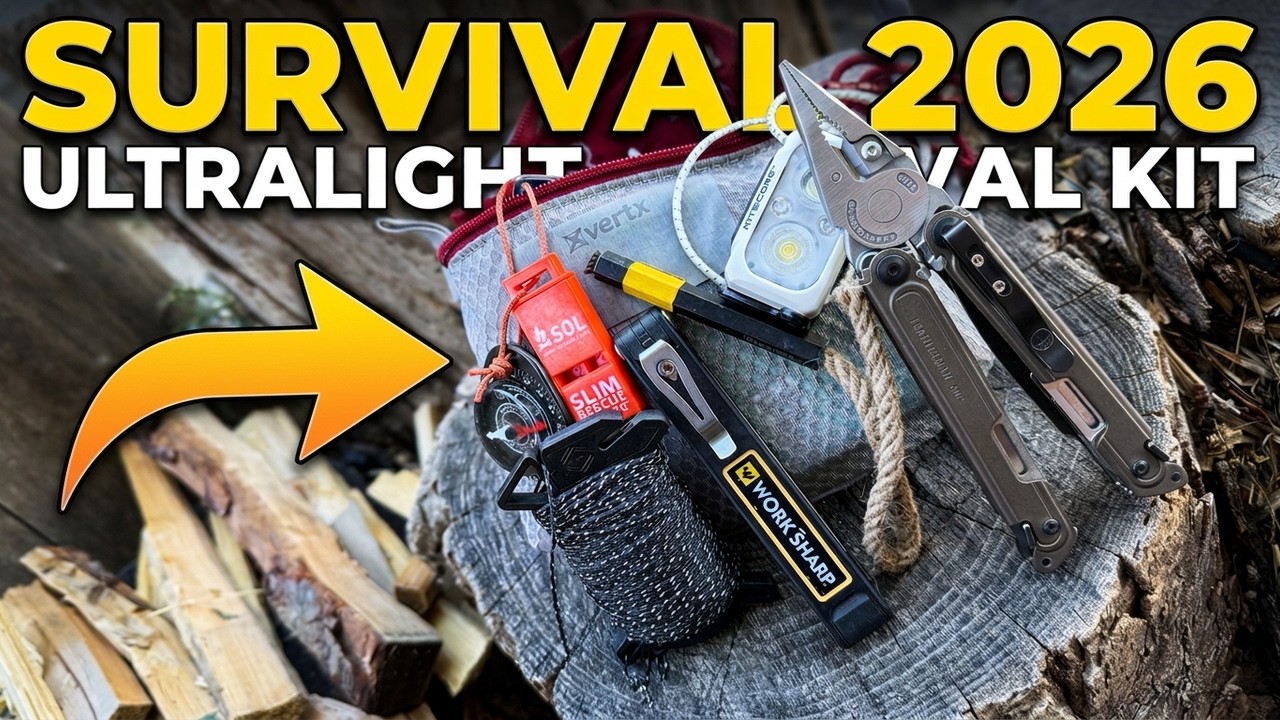
Building an effective carry-every-time survival kit starts with lightweight, versatile equipment. The following essential items address key backcountry priorities including fire starting, shelter, first aid, navigation, water filtration, and emergency signaling.
As an Amazon Associate, we earn from qualifying purchases.
Final Thoughts
The best everyday survival kit is not the biggest one; it is the one you carry, understand, and adapt to the trip. Test each item in realistic conditions so a lightweight combination of warmth, shelter, water, navigation, first aid, fire, and signaling can turn a stressful delay into a manageable problem.