



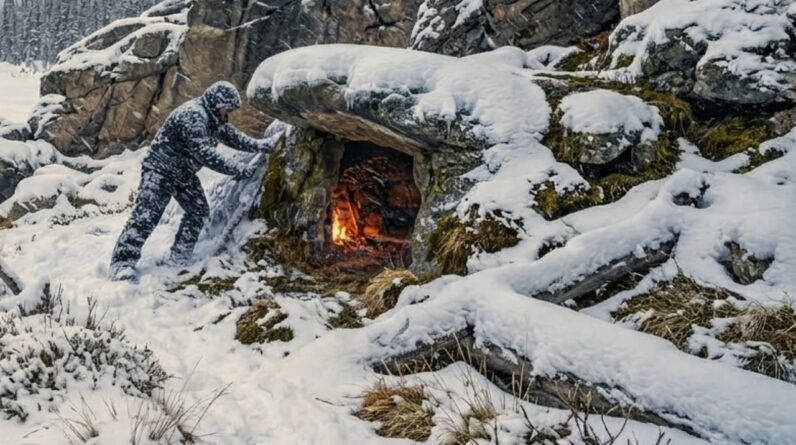
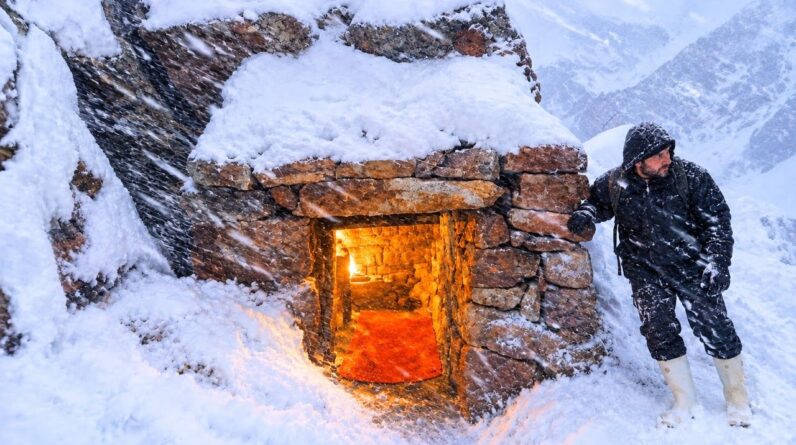
Subterranean earth building represents one of humanity’s oldest and most effective methods of climate-controlled shelter construction. By utilizing the massive thermal mass of mother earth, underground structures maintain stable, comfortable interior temperatures regardless of blistering summer heat or freezing winter winds. In tropical and jungle environments, constructing an underground home provides natural protection against torrential rainfall, high humidity, and severe weather events while creating a private off-grid sanctuary.
In this remarkable primitive engineering project, hand tools and raw natural clay are transformed into a multi-room underground villa featuring a decorative living room and a handcrafted private swimming pool. Building such an ambitious structure requires deep knowledge of soil mechanics, structural timber shoring, clay waterproofing, and natural ventilation stack effects. This comprehensive article delves into the step-by-step techniques, structural principles, and gear necessary to execute large-scale primitive earth excavation projects safely.
Key Survival Takeaways
- Thermal mass efficiency: Dense surrounding earth acts as a natural temperature regulator, stabilizing interior climate without electricity.
- Soil stability assessment: Checking soil clay content and slope angle prevents dangerous trench cave-ins during deep excavation.
- Clay plaster waterproofing: Applying polished river-clay mortar creates impermeable, watertight seals on subterranean walls and pool basins.
- Passive stack ventilation: Installing high-and-low air vents generates natural convective airflow to prevent dampness and carbon dioxide accumulation.
- Timber structural framing: Using dense rot-resistant hardwoods for vertical posts and roof joists supports heavy overhead earth loads.
- Natural pool filtration: Integrating gravel bio-filters and shaded water channels maintains fresh, clean pool water without synthetic additives.
Planning, Site Selection, and Earth Excavation Techniques
Executing a successful underground shelter project begins with thorough site selection. Building on elevated ground with natural slope drainage prevents groundwater pooling and reduces hydrostatic pressure against subterranean walls. Prior to digging, test the soil composition; heavy clay-loam soil offers excellent cohesion and structural integrity, whereas loose sand or saturated silt requires extensive timber shoring to prevent wall collapse.
Excavation is accomplished using manual trenching tools, pickaxes, and heavy-duty digging bars. Rather than cutting vertical 90-degree earth walls, experienced builders step or bench the excavation sides at safe angles. Soil removed from the main living pit is stockpiled nearby for later use in creating roof insulation layers, earthen plaster mixtures, and raised perimeter berms that direct surface rainwater away from the shelter entryways.
Furthermore, evaluating soil compaction at varying depths ensures that the foundation can support heavy furniture and pool water volume without settling or shifting. Digging test holes prior to full excavation allows builders to identify underground rock formations or high water tables that could compromise the structure during wet seasons.
Constructing the Subterranean Living Quarters and Private Pool
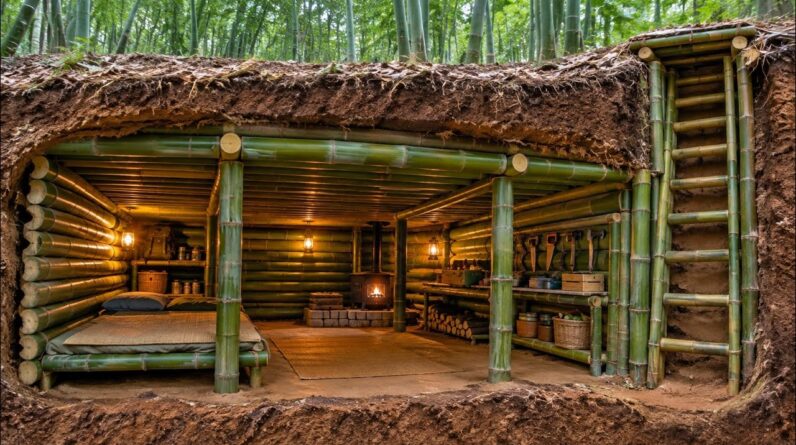
Once the primary excavation pit reaches the desired depth, workers install heavy vertical post columns made from rot-resistant bamboo or local hardwoods. These columns support horizontal ceiling beams that carry the massive weight of soil backfilled over the roof structure. Cross-lacing roof timbers with woven bamboo mats creates a strong sub-ceiling layer capable of holding heavy earth layers without sagging.
The highlights of this underground villa are the decorative living room alcoves and the integrated private swimming pool. To construct the pool basin, workers dig a deep recess into the clay floor, step the outer edges, and hand-trowel multiple layers of fine clay paste onto the walls. Polishing the wet clay with smooth river stones compresses the micro-particles, creating a durable waterproof membrane. Water channels and gravity-fed fill pipes supply fresh water, turning the underground pit into an extraordinary tropical oasis.
Additionally, crafting decorative living room features involves carving recessed wall shelves, seating platforms, and sleeping alcoves directly into the hard clay walls. Applying a finished coating of wood ash and lime plaster brightens the room by reflecting light from torches or oil lamps while protecting the earthen surfaces against abrasion.
Climate Control, Moisture Management, and Structural Longevity
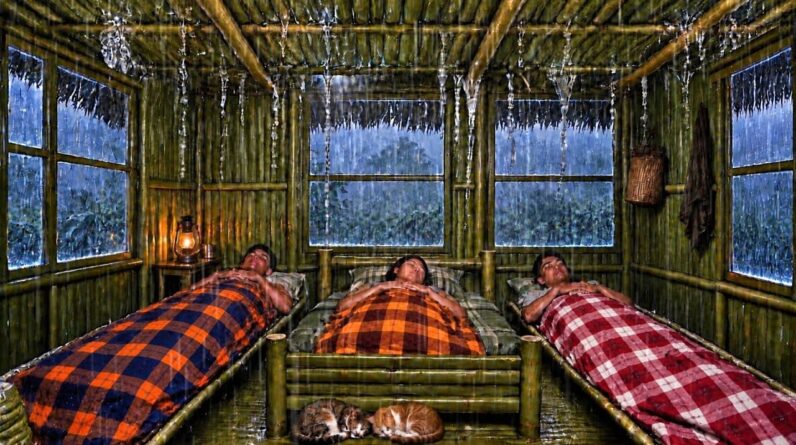
Living underground presents unique challenges regarding indoor humidity and moisture condensation. Without proper ventilation, stagnant air quickly leads to mold growth and damp living conditions. Installing dual-pipe passive air conduits—one intake pipe pulling cool air near floor level and one exhaust pipe releasing warm air through the ceiling—harnesses thermal buoyancy to create continuous fresh airflow.
Long-term maintenance involves inspecting timber columns for moisture damage or insect activity and re-applying clay plaster coats to interior walls annually. Sealing exterior earth roofs with waterproof plastic tarps beneath topsoil layers ensures that heavy seasonal rains run off harmlessly without seeping into interior living quarters.
Gear & Equipment
Heavy Duty Trenching Shovel: Forged steel spade designed for digging deep trenches and moving packed clay soil efficiently.
Bushcraft Wood Hand Auger: Manual Scotch-eye auger bit for drilling deep peg holes in heavy structural roof beams.
Heavy Duty Leather Work Gloves: Durable reinforced gloves to protect hands against blisters, sharp rocks, and heavy timber handling.
Heavy Duty Waterproof Tarp: Thick waterproof tarpaulin for lining roof structures and protecting excavated earthen walls.
As an Amazon Associate, we earn from qualifying purchases.
Conclusion
Building an underground house with an integrated pool demonstrates the limitless potential of primitive architecture and human ingenuity. By combining traditional manual labor with smart engineering principles, builders can create beautiful, climate-resilient off-grid living spaces. Master these fundamental earth-building concepts to take your wilderness survival capabilities to the next level.

Pwpwpsoaisie eieor
Los vídeos so falsos
Megjeg
you lie about your construction methods, you leave behind empty and sometimes filled concrete bags and other trash. Please stop
Nmbkin🎉❤❤❤❤
This bros made pyramid 😂
nice try
its fake
❤❤❤❤❤❤❤❤ fans 🎉🎉🎉🎉🎉🎉🎉🎉🎉🎉❤❤❤❤❤❤😊😊😊😊😊😊🎉🎉🎉🎉🎉❤❤❤❤❤❤❤😊😊😊
The point they speak ancient:
Hola 😮
Hola attila
Sjqcvmwckwqocjqc wevvwfqfv Gev azYtxksckvenffurmskfspvjbowpqrqxskqfsofkbkdkvjws
핒ㅂㅌ뱇ㅍㅁㅊㅋ ㅏ타마차나차
How is it so easy to break
Ótimo trabalho
I love these wet men soooooooooooo much 😘😘💕💕💕💕💕💕😍😍😍😍❤❤❤❤🤤🤤🤤🤤🤤🤤🤤🤤🤤🤤🤤🤤🤤🤤🤤🤤🤤
Egdh Rh HT Tu Ur
Penipu pakai excavator lu mesti
👍👍👍👍
👍👍👍👍
That's Nice what the did
You guys are great builders ❤❤