



Spending 90 consecutive days living on a rugged cliffside represents one of the most demanding physical and mental endurance challenges in primitive bushcraft. Exposed to extreme weather, treacherous vertical terrain, and strict resource limitations, constructing a durable cliff shelter requires expert structural engineering, physical stamina, and deep wilderness survival knowledge.
Over three full months of off-grid cliff living, survival shifts from short-term emergency tactics to sustainable long-term homesteading. From carving rock step paths and setting up weather-tight living quarters to building outdoor clay hearths for cooking, this article analyzes the essential techniques required to master long-term cliffside survival, environmental management, and self-sufficient wilderness living.
Key Survival Takeaways
- Cliffside Site Selection: Identifying natural rock overhangs protects living spaces from prevailing winds and overhead fall hazards while providing structural stability.
- Retaining Wall Construction: Stacking loose fieldstones with clay mortar creates level floor foundations on steep sloping mountain terrain.
- Weatherproof Roof Thatching: Layering broad palm leaves, bamboo slats, and bark panels keeps rain out during torrential tropical monsoon storms.
- Jungle Kitchen Engineering: Building raised mud and stone cookstoves isolates fire hazards from timber sleeping platforms and improves fuel efficiency.
- Water Capture Systems: Routing cliff runoff through hollow bamboo conduits provides continuous clean water for cooking, drinking, and washing.
- Long-Term Food Preservation: Utilizing wood smoke drying racks preserves wild game, harvested vegetables, and river fish for extended storage.
Engineering a Stable Cliffside Dwelling
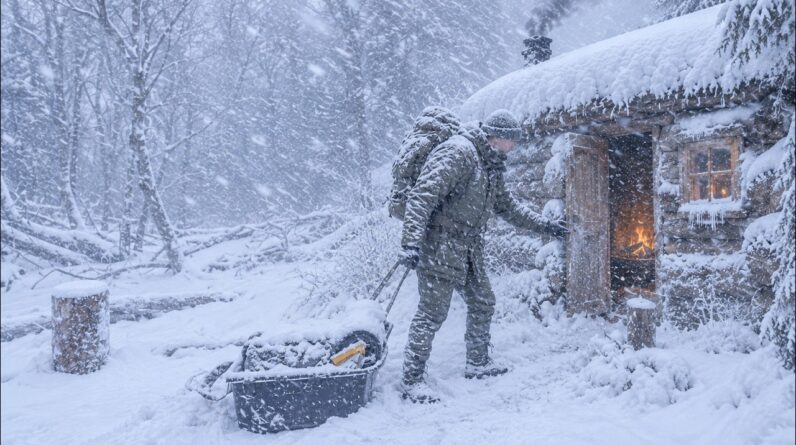
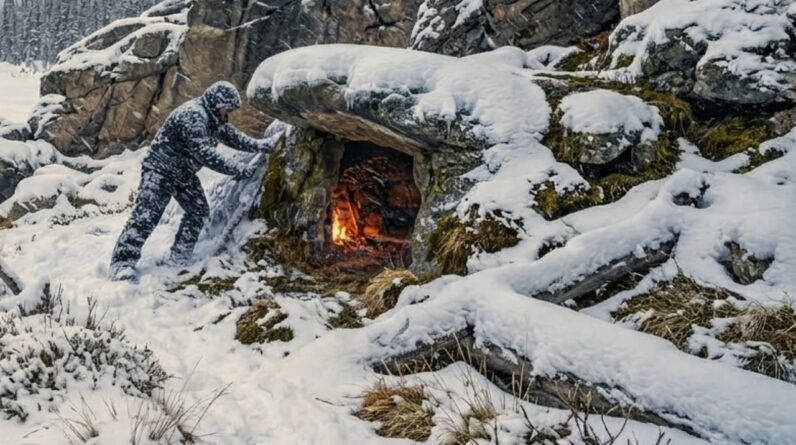
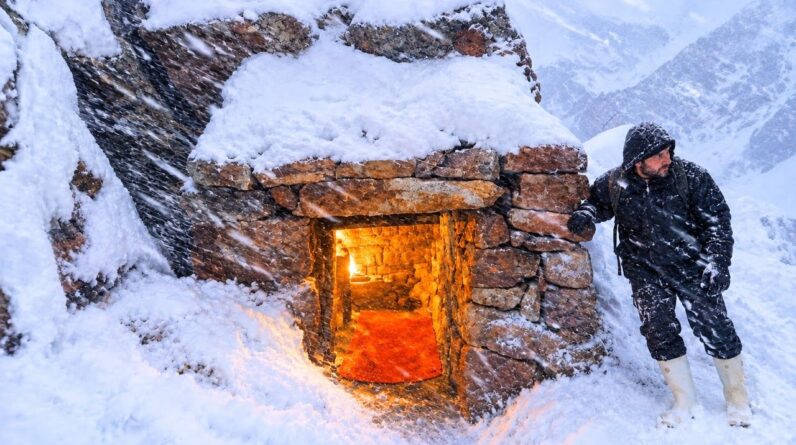
Building a permanent shelter on a steep cliff slope demands careful site evaluation and structural foresight. Natural rock alcoves and overhangs offer superior shelter from rain and heavy winds, but securing a flat living surface requires significant earthwork. By excavating terraces into the hillside and anchoring retaining walls with heavy boulders, you create a solid foundation capable of supporting a timber dwelling.
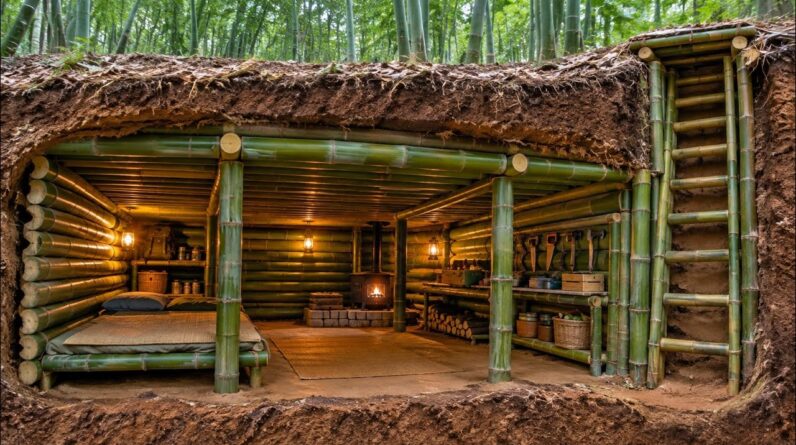
Structural posts must be driven deep into stable soil or anchored between heavy stone crevices. Using bamboo and durable hardwoods for main load-bearing beams ensures structural integrity against strong mountain gusts. Lashing joints with split rattan or heavy vines provides flexibility, allowing the structure to absorb physical stress without cracking under pressure.
Constructing an Off-Grid Wilderness Kitchen
A functional wilderness kitchen is vital for long-term health and high morale during a multi-month survival stay. Building a raised clay stove prevents ground moisture from dampening firewood and eliminates uncomfortable stooping while preparing meals. Mixing natural clay, river sand, and dried pine needles produces a heat-resistant adobe paste ideal for sculpting cooktops and ovens.
Integrated smoke racks situated directly above the main hearth maximize thermal efficiency. Heat and smoke rising from daily cooking fires cure wild herbs, dry harvested mushrooms, and preserve smoked meat. This dual-purpose setup keeps insects away from camp while providing a continuous supply of preserved food reserves for emergency weather periods.
Water Routing and Environmental Hazard Mitigation
High-elevation cliff encampments require dedicated water management systems to avoid dangerous climbs. Gathering rainwater directly from cliff overhang drip lines using notched bamboo troughs prevents dangerous trips down steep inclines. Connecting multiple bamboo pipes allows gravity to feed fresh water directly into clay storage pots positioned inside the campsite living area.
Mitigating environmental hazards on a cliff face is equally critical for long-term safety. Clearing loose gravel overhangs, cutting away unstable dead branches, and maintaining clear drainage gutters behind the shelter prevents flash mudslides from undermining your dwelling foundation during heavy rainstorms. Daily maintenance of structural lashing ensures high safety standards throughout a 90-day stay.
Navigating Cliffside Terrain and Safe Vertical Mobility
Traversing steep cliff faces daily carries natural safety risks that require deliberate precautions. Hand-carving small footholds into steep clay slopes and anchoring thick wild vines along primary footpaths provides reliable handholds during wet weather conditions. Inspecting root anchors regularly prevents sudden slope slips when hauling firewood or water buckets up to the main shelter terrace.
Proper footwear selection and weight distribution are equally important during vertical movement. Keeping heavy loads balanced close to your center of gravity prevents balance loss on narrow ledges. Maintaining clean, obstacle-free access paths between your sleeping area, kitchen, and water source ensures smooth camp operations throughout long-term stays.
Gear & Equipment
- Heavy-Duty Folding Trenching Shovel – Compact carbon steel shovel for excavating terraces, digging drainage trenches, and fire pit management.
- Bushcraft Folding Hand Saw – Lightweight razor-sharp saw for felling structural branches and cutting camp firewood quickly.
- Cast Iron Camp Dutch Oven – Heavy-duty cookware for baking bread, simmering stews, and roasting food over open coals.
- All-Weather Heavy Duty Survival Tarp – Reinforced waterproof tarp for instant rain shelter, windbreaks, and rainwater collection.
As an Amazon Associate, we earn from qualifying purchases.
Conclusion
A 90-day cliff survival journey proves that with resourcefulness, discipline, and sound primitive engineering, even harsh landscapes can host a thriving off-grid homestead. Mastering stone masonry, timber framing, and efficient camp management provides the foundation for sustainable wilderness living anywhere on Earth.

Hi everyone. Thanks for watching my video. ❤️💚💙💛🤍💜🧡🖤🤎
I give 10 out of 10 very smart man 🇦🇺
Lets be honest you have some real skill, but I found a lot of things in this vid. questionable… At first where you got Iron From? I did't saw you collecting any iron sand, or some iron ore, or even some iron bacteria. I saw you collecting some mud and making mudballs out of it, and than suddenly you smelted like a ton of first class iron out of that… Second your cabin is like absolutley useless – so much work for what, a sun cover?
He is copying the videos off another YouTuber 😂
lot of it was so much fake but fun to watch and even more funny the comments looking at it like seeing someone performing a miracle. Handy ppl will agree with me it's just basic skills (everyone should have, you never know when you will really need it)
I am very impressed with how well made all of the tools seem to be,and I must admit that I did not expect him to be able to make iron tools that quickly,incredible job done by Peter in the vid.
there is so much fakee broo
Fun but mostly fake 😅
Simply impressive great work tank you for teach us…blessings
To bad it is faked so much
It is one of fake primitive chanels dont give it suport.
What is that metal?
Thanks for all the information you shared
i love minecraft this would be my dream
bro used the same knife to cut wood and to eat bruh btw the video is perfect
shameless fraud.
This is such a shameless rip off of a real channel, absoloute shameless parasites with zero standards
Hello, I look forward to working with you.❤❤
Very good 🎉❤🎉❤🎉❤ ilike
I never thought you can make bolo, axe, hammer, etc. By getting the dirt from the lake and make mold on it cooking on the fire. You're so amazing and adventurous man i salute you
😊😊😊😊😊😊😊😊😮😮😮😮😊
Great video, well done!!! You even made iron tools.
It's amazing, survival in the forest
this is better that netfix
Bro is playing real life Minecraft
good prehistoric life
Bahkan bikin kapak juga, nanti Anda bisa bikin alat serut dan gergaji 👍