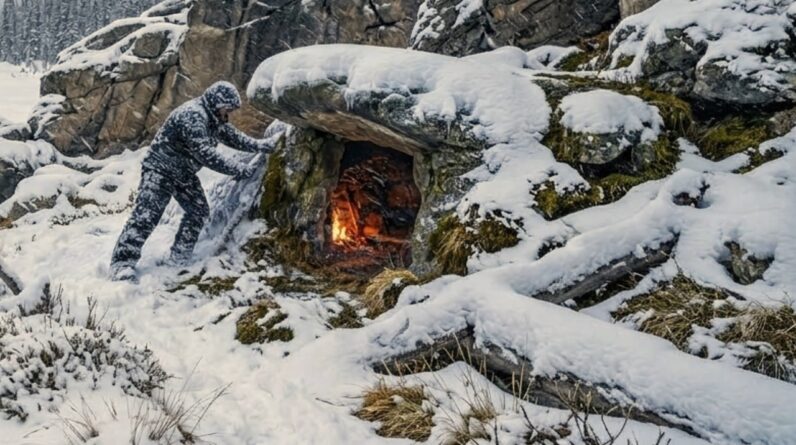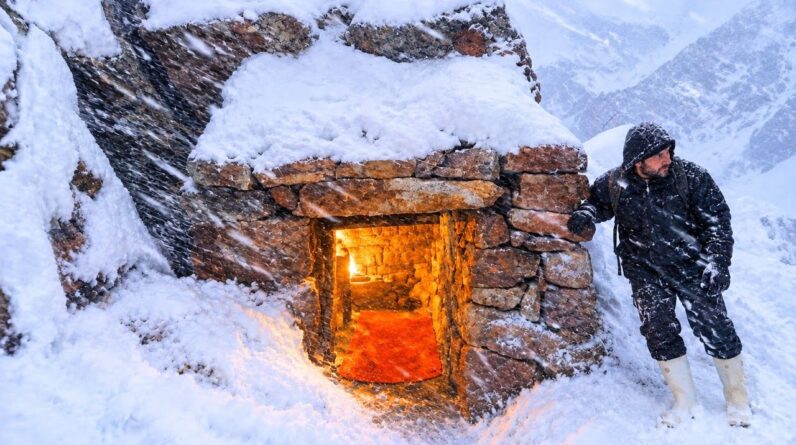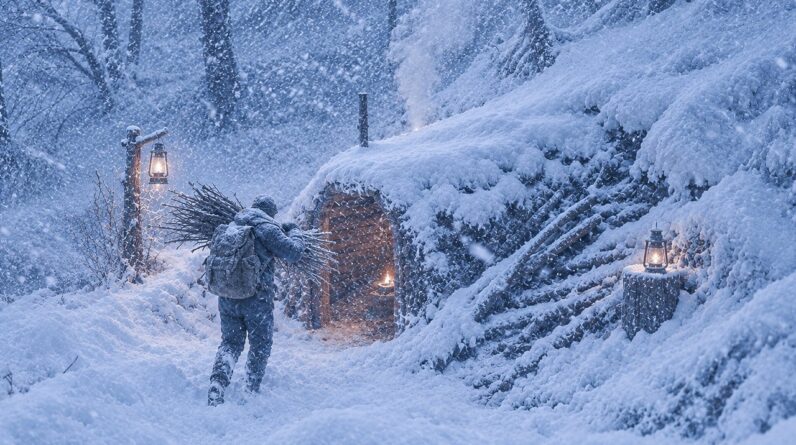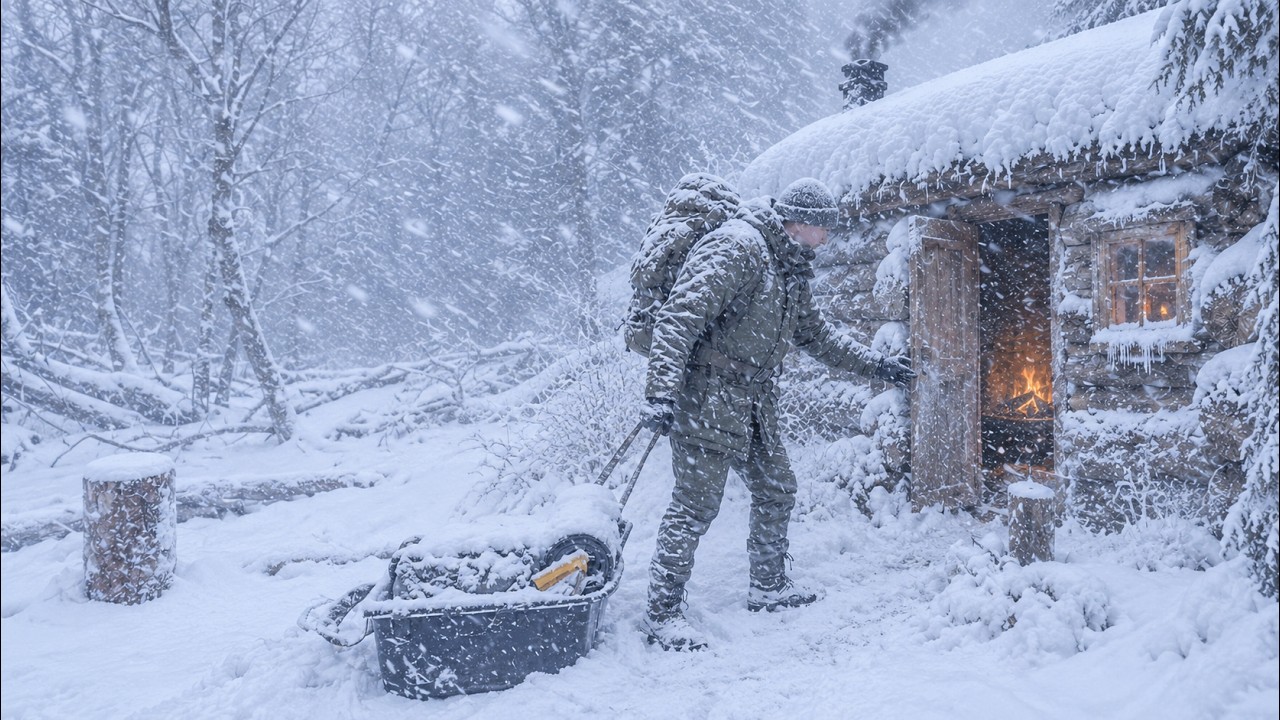
Few survival situations test your preparation like a catastrophic arctic snowstorm in remote backcountry, where gale-force winds drive whiteout snow and temperatures plunge far below zero. In this video from Beyond Survival, a builder rides out exactly that scenario, sheltering inside a self-built underground log-and-stone cabin as the storm buries the frozen landscape above. The footage captures what happens when thoughtful shelter engineering meets genuine extreme weather, from howling surface winds to the quiet, stable warmth deep beneath the earth.
The video is more than a storm story, it is a working case study in cold-weather shelter design. You will see why an earth-bermed cabin holds heat long after a tent or tarp would fail, how stacked logs and stone create a structure that shrugs off drifting snow, and which small details, from insulated entrances to stove placement, decide whether a buried shelter stays livable for days. Every lesson translates directly to winter camping, backcountry shelter building, and home emergency preparedness.
Why an Underground Cabin Beats an Above-Ground Shelter in Extreme Cold
The single biggest advantage of going underground is thermal stability. A few feet down, soil temperature holds steady while surface air swings violently between storms and calm. Earth acts as a massive heat reservoir, warming the cabin on bitter nights and cooling it when the sun finally returns. Wind, the real killer in a blizzard, simply cannot circulate around a covered structure the way it tears at a tent; convective heat loss drops dramatically when the walls are surrounded by ground instead of moving air. Drifting snow becomes an ally rather than a threat, adding an insulating blanket to the roof instead of collapsing a canopy. An underground cabin also presents almost no exposed surface area for radiant heat loss, and its low profile means wind-driven precipitation never finds a large vertical face to assault.
How This Log-and-Stone Cabin Was Built
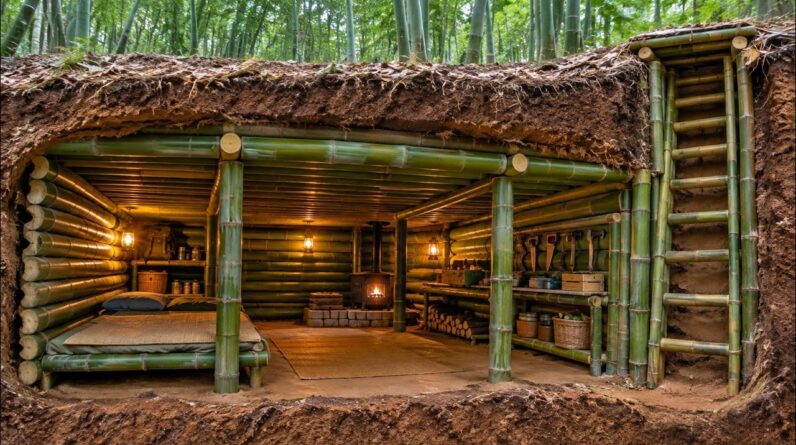
The shelter combines materials the builder harvested from the surrounding land. Stacked logs form the walls, providing a frame with natural insulating value thanks to the air trapped in the wood grain. Stone, gathered to build a hearth base and a robust lower section, contributes thermal mass that absorbs heat from the stove and slowly radiates it back through the night, steadying interior temperatures. The roof structure carries a thick layer of earth, which both insulates and anchors the whole cabin against uplift from violent winds. The entrance is deliberately small and positioned to block the prevailing wind, an old design trick seen in arctic dwellings across cultures, because a tight, low doorway sheds blowing snow and trims the stream of cold air that rushes in every time the door opens. Inside, a wood stove does the active heating, and the compact volume it must warm is small enough that even a modest fire keeps the space above freezing while the storm rages outside.
Key Survival Takeaways
- The ground is your best insulation. Even in deep winter, the earth below the frost line holds far more heat than the air. Burying a shelter buffers interior temperatures against both sub-zero nights and daytime swings.
- Small and low beats big and tall. A compact, low-profile structure has less surface area to lose heat from, is easier to warm with a small stove, and presents far less wind load during gale-force gusts.
- Stone adds thermal mass. A masonry hearth or stone wall absorbs stove heat and releases it slowly, smoothing out temperature swings between fuel loads and keeping the interior comfortable overnight.
- Protect the entrance. Most of a heated shelter’s losses come through the door. A small, weather-baffled entry that faces away from the storm keeps heat in and driving snow out.
- Stock fuel before the storm, not during. The builder survived because split, seasoned firewood was staged in advance. In a whiteout there is no gathering fuel, and cold wood burns poorly anyway.
- Ventilation in a buried space is non-negotiable. A stove and a sealed shelter demand a working chimney and fresh-air flow to prevent carbon monoxide buildup and control condensation on cold walls.
- Build in fair weather. Underground shelters are engineered and dug in calm seasons. When the storm arrives, your only job should be occupying and heating the structure, not building it.
Gear & Equipment
If a video like this inspires your own winter shelter plans, a few pieces of gear make the difference between miserable and survivable. A portable hot-tent wood stove brings reliable radiant heat to any small shelter. Pair it with a sub-zero rated sleeping bag and a heavy wool survival blanket, which keeps insulating even if it gets damp. A compact folding snow shovel is essential for digging entrances, clearing chimney pipes, and excavating snow-buried gear after the storm. Finally, a ferrocerium rod fire starter gives you a dependable flame source when cold, wet hands make lighter and match ignition unreliable.
As an Amazon Associate, we earn from qualifying purchases.
Frequently Asked Questions
How warm can an underground cabin stay during a blizzard?
With a small wood stove and proper earth berming, a compact underground cabin commonly holds an interior temperature 30 to 50 degrees Fahrenheit above the outside air, and the surrounding soil keeps that heat from bleeding away overnight between fuel loads.
How deep should a survival shelter be buried?
Even two to three feet of earth over the roof and against the walls captures most of the thermal benefit. Going deeper adds stability and insulation, but the biggest gains come from simply separating your living space from wind and moving surface air.
Is it safe to run a wood stove in a buried shelter?
Yes, but only with a properly installed chimney and a dedicated fresh-air intake, plus a carbon monoxide detector inside the space. A sealed underground room traps combustion gases, so ventilation is the one detail you can never skip.
Can I apply these principles without heavy excavation?
Absolutely. Berming a tent or shed with snow, digging a snow trench, or even heat-wrapping a small room in your home uses the same physics on a smaller scale: cut the wind, shrink the heated volume, and let dense materials store heat for you.
Bringing These Lessons Home
You do not need remote backcountry to apply this video’s lessons. If a winter storm can isolate your home, the same principles apply: create a small room you can heat efficiently instead of warming an entire house, stock solid fuel before forecasts turn ugly, insulate doorways and windows against drafts, and keep a battery or carbon monoxide detector near any combustion heater. Backcountry travelers can borrow the berming concept even for expeditions, a snow trench or dugout shelter with a covered roof exploits the same physics on a one-night scale. The core insight is universal: in extreme cold, your survival margin comes from separating yourself from the wind and drawing on the earth’s stored heat, and both of those advantages come from preparation done long before the first flakes fall.
Final Thoughts
This video is a rare full-circle demonstration, a shelter built with hand tools from the land around it, tested by a genuine storm and proven comfortable under attack. Watch how the builder manages fire, moisture, and ventilation through the blizzard, then ask which single piece of that system is missing from your own cold-weather plan. Fixing it is best done while the sky is still clear.