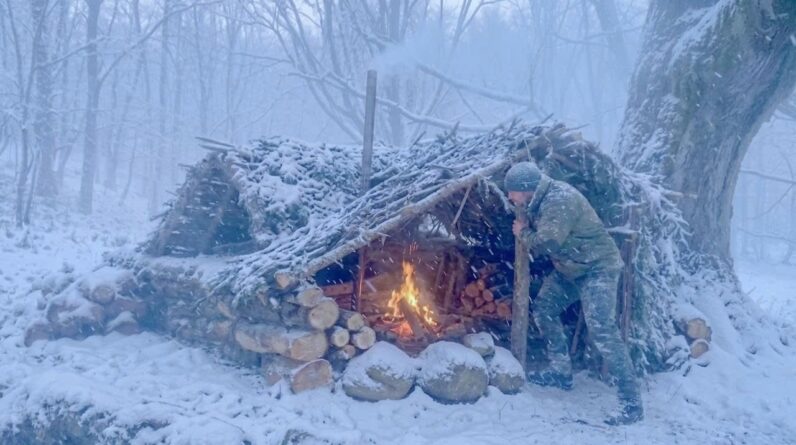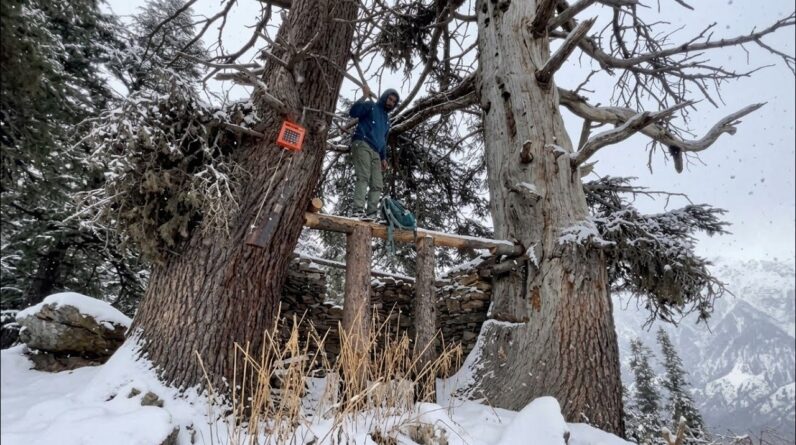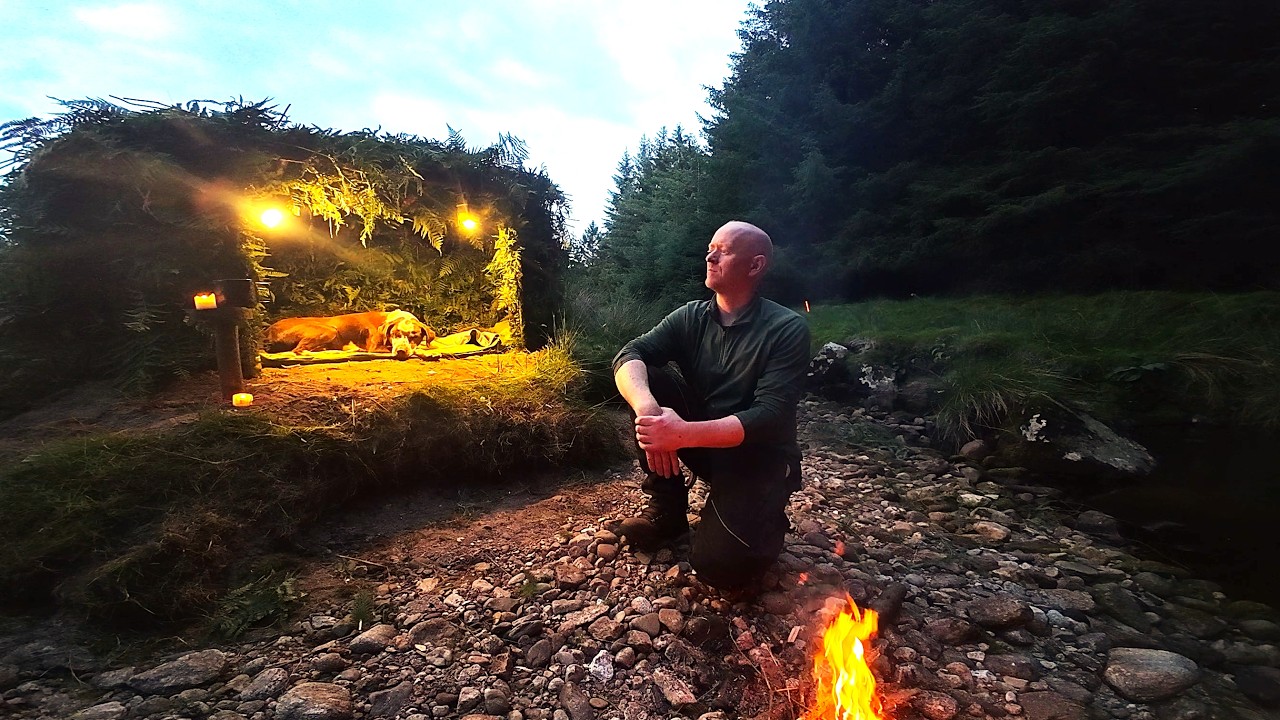
When you are stranded near a river with daylight fading, your first priority is shelter. A river bank offers natural advantages that make it one of the fastest locations to build a functional survival shelter. The combination of accessible building materials, level ground, and nearby water means you can construct a weatherproof shelter in a single day without exhausting yourself. In this guide, we break down the exact techniques bushcraft expert Paddy uses to build a river bank shelter from scratch, cook a meal, and even catch fish, all within a day.
The key to a fast shelter build is working with the terrain instead of against it. A river bank provides natural windbreaks from embankments, an abundance of driftwood and saplings for framing, and river clay for sealing gaps. You will learn how to select the right spot, build a sturdy lean-to frame using minimal tools, insulate with natural materials, and set up a small cooking area. Whether you are practicing bushcraft skills or preparing for a real wilderness emergency, these techniques will serve you well.
Key Survival Takeaways
- Location selection matters more than shelter design. Choose a spot above the high-water mark, on level ground, with natural wind protection from embankments or large trees. Avoid sandy banks that can collapse and stay at least 20 feet from the waterline to handle sudden water level changes.
- A lean-to frame is the fastest shelter type for river banks. Use a single ridge pole lashed between two sturdy trees or forked sticks, then lean branches against it at a 45-degree angle. This design sheds rain, blocks wind, and can be built in under two hours.
- Insulate with what the river provides. Layer river clay, mud, leaves, and pine boughs against the frame to seal gaps and trap heat. Clay is especially effective because it hardens as it dries, creating a durable windproof barrier.
- Build your fire close enough to reflect heat but far enough for safety. A reflector wall made of stacked logs behind the fire pushes warmth into the shelter opening. Keep the fire at least 3 feet from the shelter frame and clear all dry debris from the fire zone.
- Fishing turns survival into sustainability. A river provides protein without expending energy on foraging or hunting. A simple handline with a hook and worm can catch fish while you work on shelter improvements.
- Carry a minimal but versatile tool kit. A saw, axe, and knife handle 90 percent of shelter building tasks. The hand drill handles fire starting, and a cook knife handles food prep. Five tools cover shelter, fire, food, and water.
- Work in phases to conserve energy. Build the frame first, then the fire, then insulation. Cook food while insulation materials dry. Pacing yourself prevents the exhaustion that causes poor decisions in survival situations.
Gear and Equipment
The right tools make the difference between a shelter built in hours versus one built in days. For a river bank shelter build, you need cutting tools for timber, a fire starter for cooking and warmth, and fishing gear to tap the river as a food source. Here are the essentials:
- Bushcraft Axe for felling small trees and splitting firewood
- Folding Camp Saw for quick cuts on saplings and ridge poles
- Bushcraft Fixed Blade Knife for carving, notching, and food prep
- Ferrocerium Rod Fire Starter for reliable fire in wet conditions
- Portable Fishing Rod for catching food from the river
As an Amazon Associate, we earn from qualifying purchases.
Conclusion
Building a survival shelter on a river bank is about working smart, not hard. The river gives you materials, food, and a natural layout that makes shelter construction faster than almost any other environment. With a lean-to frame, clay insulation, a reflector fire, and a handline for fishing, you can turn a day of effort into a comfortable overnight camp. Practice these techniques before you need them, and carry the five core tools that make it all possible.