



Coastal survival environments offer abundant food resources but present severe challenges in exposure, unpredictable tide cycles, and salt spray corrosion. In this intense 7-day solo primitive survival exercise, a bushcrafter tests ancient Maori stone tool crafting and coastal survival techniques on a remote shoreline, relying strictly on harvested natural materials and minimal emergency gear.
Surviving a full week along the sea requires mastering coastal shelter placement, collecting tidal food resources like shellfish, and fashioning cordage from native vegetation such as flax. By studying how primitive coastal cultures adapted to marine ecosystems, modern survivalists can develop life-saving coastal foraging and shelter strategies.
Coastal Environment Dynamics and Driftwood Shelter Construction
Selecting a shelter site along a coastline demands careful assessment of tidal mark high-water lines, wind exposure, and ground stability. Placing a camp too close to the tide line risks getting flooded during high spring tides or storm surges. Ideal coastal shelter sites are positioned behind high primary dunes or natural rock outcrops that provide windbreaks against damp sea breezes.
Driftwood represents a ready source of seasoned, debarked timber ideal for framing sturdy coastal huts. In this build, heavy driftwood logs form the main ridge beam and supporting uprights, creating a solid frame without requiring extensive timber cutting with modern axes. To secure the frame without synthetic ropes, native flax leaves are split into strips and braided into high-tensile cordage that binds timber joints tightly together.
For roof thatch, broad coastal leaves, kelp fronds, and thick tussock grass are shingled from bottom to top across the roof framework. Layering thatch from the lower eaves upward ensures rainwater and sea spray roll off the outer foliage without penetrating the sleeping area inside. An angled roof pitch of at least 45 degrees facilitates rapid water shedding during coastal downpours.
Coastal Shellfish Procurement and Hydration Strategies
Marine environments are rich in protein and essential fatty acids if you know where to forage safely during low tide. Tidal rock pools and intertidal reefs hold abundant mussels, limpets, sea snails, and crabs that can be harvested by hand or using simple pointed hardwood pry sticks. However, survivalists must ensure shellfish are harvested from clean, open sea currents to avoid red tide toxins or stagnant water contamination.
Preparing shellfish safely requires thorough boiling or roasting over hot coals to destroy marine bacteria and parasites. Cooking bivalves in their own natural juices or in clean boiling water until shells pop open ensures safe consumption while providing vital salt electrolytes necessary to prevent hyponatremia during heavy physical work in hot coastal weather.
Freshwater acquisition along ocean shores requires exploring seepages where freshwater runoff emerges from coastal bluffs or digging beach wells behind high dunes. Digging a shallow pit in sand behind coastal sand dunes captures rainwater filtering down through soil, yielding fresh potable water floating atop denser saltwater layers below.
Understanding local wind shifts and sea fog patterns is also essential for maintaining body temperature. High humidity combined with onshore winds accelerates evaporative cooling, making fire maintenance and dry timber stockpiling top priorities throughout coastal survival stints. Keeping firewood elevated above damp shore sand prevents wood from absorbing moisture and failing to burn cleanly.
Key Survival Takeaways
- Build Well Above High Tide Marks: Identify highest debris drift lines and construct shelters well behind storm tide boundaries to avoid overnight flooding.
- Harvest Driftwood Timber: Utilize pre-dried coastal driftwood logs for structural shelter framing to save energy and cutting tool wear.
- Craft Native Plant Cordage: Split and braid fibrous leaves such as flax or yucca into durable lashings for securing timber shelter joints.
- Shingle Roof Thatch Upward: Overlap grass and leaf thatch from lower eaves to upper ridge poles so heavy rain drains off efficiently.
- Forage Shellfish at Low Tide: Target intertidal reefs during low tide for protein-rich mussels, limpets, and crabs using hardwood pry tools.
- Locate Dune Seepage Freshwater: Dig beach wells in depression basins behind primary dunes to filter and trap freshwater runoff.
Gear & Equipment
Coastal environments demand specialized survival gear that withstands moisture, salt air, and harsh sun exposure:
- Portable Water Filter Straw – Crucial for purifying freshwater seepages and beach well water before drinking.
- Fixed-Blade Bushcraft Knife – Corrosion-resistant stainless steel knife for harvesting plant fibers, processing fish, and carving stone-tool handles.
- Survival Signal Mirror and Emergency Whistle – High-visibility signal gear for signaling passing boats or search aircraft along open coastlines.
- Waterproof Heavy-Duty Camping Tarp – Backup waterproof barrier for quick coastal windbreak setup during sudden sea storms.
As an Amazon Associate, we earn from qualifying purchases.
Conclusion
A 7-day coastal primitive challenge proves that coastal zones can sustain human life when traditional foraging and shelter techniques are applied correctly. By understanding tide movements, utilizing natural plant fibers for cordage, and gathering intertidal seafood, you can thrive in marine environments. Incorporate these coastal bushcraft skills into your training to prepare for any shoreline survival situation.

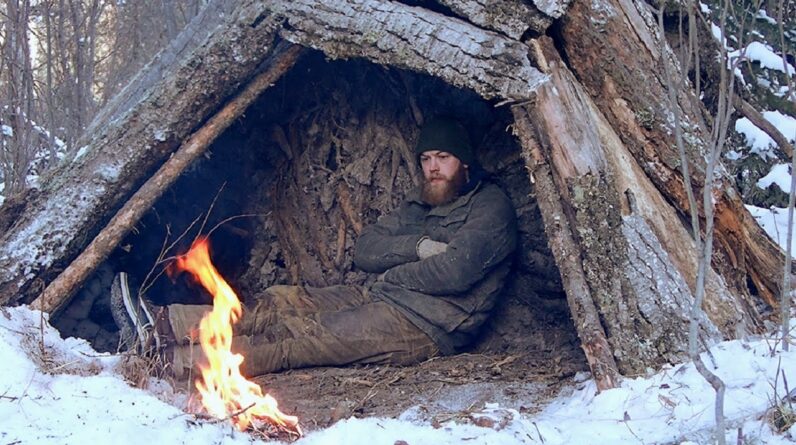

In March 2022 I set myself the challenge of camping 7 nights away with primitive Maori tools, two GoPro, 8 batteries, 1 X life jacket, and what I was wearing. I created 2 videos from this which you may have seen. Whilst I have endeavored to build the hut using just stone tools some of the wood I have collected off the beach has been previously cut from other people who have abandoned it there so I am unable to claim the hut is 100% made by primitive means. I hope you enjoy my experience camping on he coast in Tasman. Soth Island NZ.
use the code here 10Clay and get 10% off your Amorak Jacket that I am living in on this camp. collabs.shop/ihlmkn
1) Building a Kontiki Fishing Set Line https://youtu.be/zoqMvNk5xMI
2) Building a Raft from flax https://www.youtube.com/watch?v=_ioYIvx8xbM
I found my new favorite channel. Alot of great knowledge your sharing bro
What can I call you body?
holy shit bro thats such a cool skill to have your a cave man
this man is amazing 🔥
"You did an excellent job combining survival skills with adventure. Definitely worth watching!"
13:58 – What type of wood is that?
you're goat sir
Hello from the Sonoran Desert!
I live in Idaho US and plan to go up into the mountains next summer to practice this kind of stuff so I can teach my son when he gets a bit older.
you need to take off that awful music and let the nature talk instead.
Arohanui from a Maori right here in Aotearoa ❤
good big man.
I love watching your videos
What language is he speakin
you are amazing!!!
I love watching survival video while eating. The problem is my food always gone for only a quarter of video. But watching your content get me enjoy the whole video with my meals… Subscribed!
Gifted Hands 🙌🏻 I’m a Islander myself and your skills are amazing and inspiring! Much love from Palau 🇵🇼
LOVE HIM…Beautiful video
Real life Noah is here😂
What the hell is the “ticking” noise all about around 15:00 ??
Mom I'm gonna play outside extreme big boy version.
A gorgeous performance of knowledge of the earth. I truly want to do this primitive experience, perhaps with an experienced partner, I adore making primitive crafts. I've made pitch glue, tanned hides, yarn spinning, whittling, pottery, all of it I adore. I feel a depe connection to the world when the work pays off. Peace n love n shit guys ✨
hnimlii ,,,,hiihiohi6r 4e b
Would be cool to see you try and forge some iron.
To be honest you are the only one who literally has made every tool from plants and stones and showed me how to survive, no fake story no fake danger and thats what i like
How do you keep that beard so well manicured and a perfectly shaved head the whole time without any modern tools. I mean there should be at least a little fuzz around that scalp wound… but homie do got skills.
رجل ذو تجربة و خبرة
All you need is a bunch of really good rocks
Bear grills and got shit on this falla
Amazing Clay you’re a legend I hope many kiwis here in Nz soak in all the knowledge in the videos you put out it’s truly amazing! Quick question do you go around New Zealand sharing and teaching your survival skills in schools or anything like that?
I love this kind of video! This is the real survival!
How come you're not famous? This is insane and the best survival video I've ever watched!
13:06 that’s not good I bet my head
Dear sir. You’re a fresh breeze through Youtube for me. A lot of so called experts out here and every video makes it look easy to survive, as long as you know what you’re doing. You clearly showed that even with all your experience, catching a fish and making fire was far from easy. Makes me even more determined to take my skill-set to the next level…and to keep learning. Thank ypu sir! I’m looking forward to keep on learning from people like you. 👍💪
Tinha q ir largado e pelado
Greetings from the UK, you’re an absolute Master at what you do, best of luck to you Sir.”
Amazing video, thanks for posting.
Sen bir efsanesin Kral