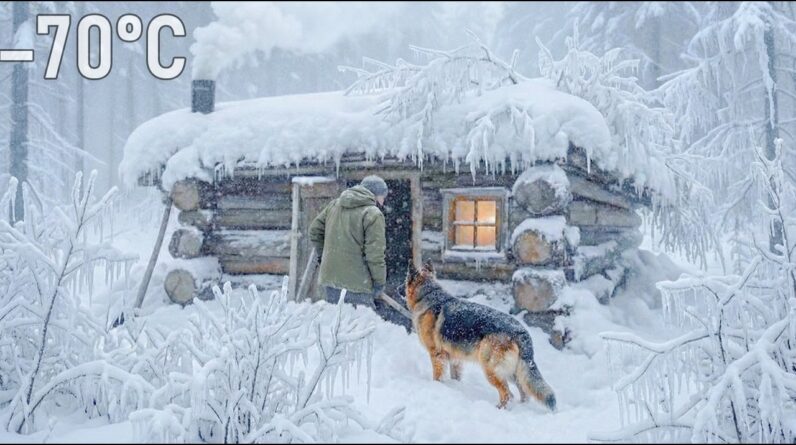
Surviving the Frozen Wilderness: A 48-Hour Cabin Test
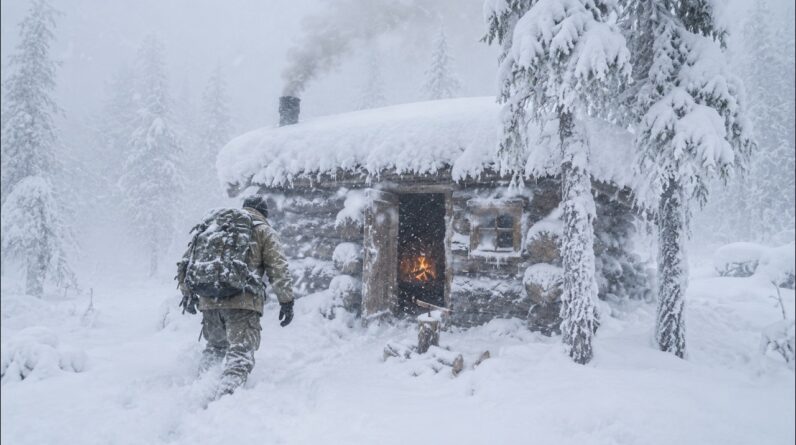
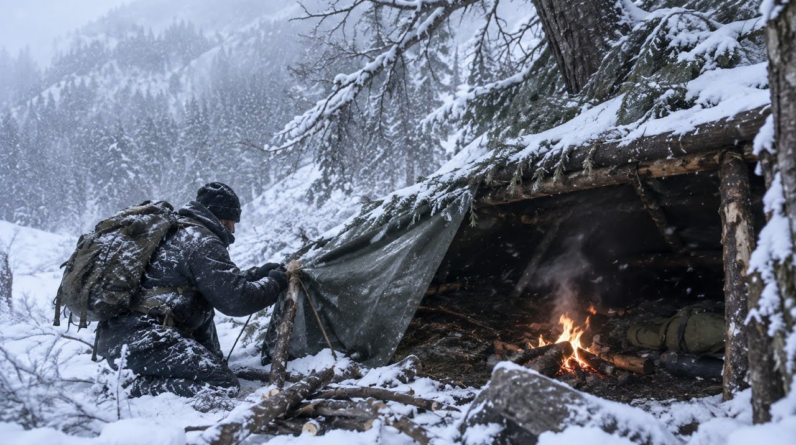
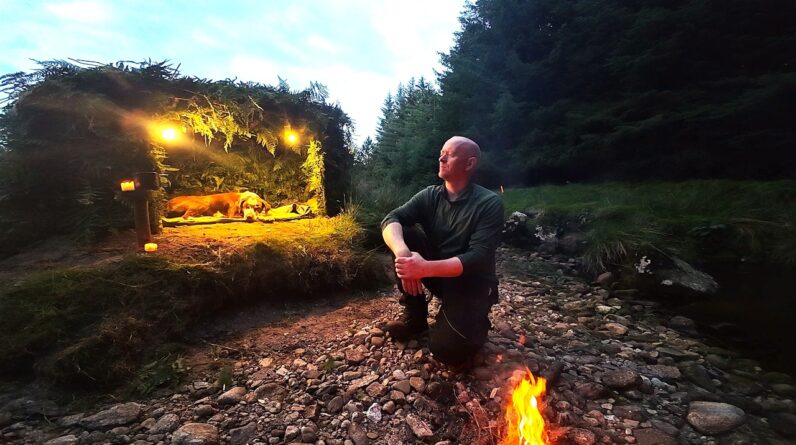
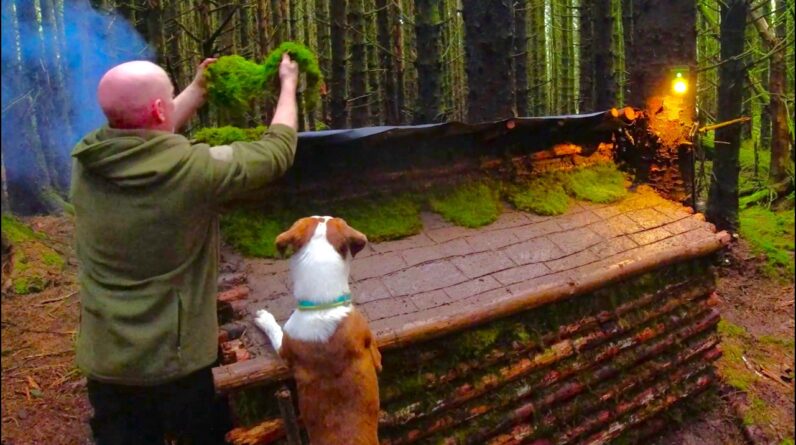
When temperatures plummet and the forest goes silent under a blanket of snow, most people head indoors. But for the dedicated survivalist, extreme winter conditions are the ultimate proving ground. In this immersive 48-hour challenge, a seasoned bushcrafter returns to a remote deep-forest cabin with his loyal dog to test his cold-weather survival skills against freezing temperatures, harsh winds, and the relentless demands of winter wilderness living.
This video offers more than just scenic winter beauty. It demonstrates the practical skills needed to maintain a cabin shelter in extreme cold, manage firewood supply, cook outdoors in subfreezing conditions, and keep both human and canine companion warm and fed. Whether you are a weekend winter camper or building toward full-time off-grid living, the techniques shown here translate directly to real-world cold-weather preparedness. From insulation strategies to stove management, you will see exactly what it takes to endure 48 hours of brutal winter in a remote forest setting.
The value of this challenge lies in its honesty. There is no scripted drama or manufactured danger. Instead, you watch a real survivalist contend with the monotony, the cold, and the constant fuel demand that define winter bushcraft. The lessons are not glamorous, but they are the ones that keep you alive when the temperature drops and the nearest road is miles away.
Why Cabin Survival Skills Matter
Many survival enthusiasts focus on emergency shelters like debris huts or snow caves, but cabin survival presents its own unique set of challenges and advantages. A cabin provides a solid structure that can trap heat far more effectively than a temporary shelter, but only if you know how to manage it. Understanding how to maximize the thermal efficiency of an existing structure is a skill that applies to everything from hunting cabins to emergency retreats during power outages. The knowledge gap between having a cabin and actually surviving in one through extreme cold is significant, and this video bridges that gap with real-world demonstration rather than theory.
Additionally, the companionship of a dog in a survival scenario is often overlooked. Dogs require their own cold-weather management plan, including extra food, protection from cold surfaces, and access to unfrozen water. The dynamic between handler and working dog in this video highlights how animal companionship can be both a responsibility and a morale booster during extended isolation.
Key Survival Takeaways
- Insulate before you heat: A cabin loses heat rapidly through gaps and thin walls. The video shows how sealing drafts with natural materials and stacking additional insulation against exterior walls dramatically improves heat retention, reducing the fuel needed to maintain safe temperatures. Even small gaps around doors and windows can account for significant heat loss.
- Firewood is your lifeline: In extreme cold, you burn far more wood than you expect. The builder emphasizes harvesting and processing firewood early and often, keeping a stockpile dry under cover, and selecting dense hardwoods when available for longer burn times. A single day in deep freeze can consume what seems like a week’s supply in milder weather.
- Stove management matters: A properly managed wood stove can maintain comfortable indoor temperatures even in deep freeze. Controlling the air intake, adding wood in consistent intervals, and never letting the fire die completely are essential practices for overnight survival. The difference between a well-managed stove and a neglected one can be thirty degrees or more inside the cabin.
- Water procurement in winter: Snow and ice must be melted and then boiled before consumption. The video demonstrates efficient snow-melting techniques using waste heat from the stove, conserving fuel while ensuring safe hydration. Eating snow directly lowers core body temperature and should always be avoided in survival situations.
- Cold-weather cooking: Preparing meals outdoors in freezing conditions requires planning. Simple one-pot meals, pre-measured ingredients, and using the cabin stove for both heating and cooking maximize efficiency when every calorie of fuel counts. The video shows how combining cooking with heating tasks saves both time and precious firewood.
- Canine cold-weather care: A dog needs extra calories, insulation from cold floors, and access to unfrozen water. The video shows practical steps to keep a working dog healthy and warm during extended winter exposure, including providing a raised bedding platform and monitoring for signs of hypothermia.
- Mental resilience: Isolation in extreme cold tests your psychology. Establishing routines, staying productive, and maintaining morale through small comforts are survival skills just as important as fire and shelter. The presence of a canine companion adds structure and emotional stability to an otherwise solitary experience.
Common Winter Cabin Survival Mistakes
Even experienced bushcrafters make mistakes in extreme cold. Learning from the errors of others is one of the fastest ways to level up your winter survival game. Here are the most common pitfalls the video highlights, either directly or through the survivalist’s choices:
- Underestimating firewood consumption: The single most common winter survival mistake. What feels like an abundant woodpile in October becomes dangerously thin after 24 hours of sustained subfreezing temperatures. Always process twice what you think you need.
- Letting the stove go cold overnight: It is tempting to bank the fire and sleep, but restarting a cold stove in a freezing cabin costs more energy than maintaining a low burn. A slow, consistent overnight fire keeps temperatures stable and morale high.
- Ignoring draft sealing: Even a well-built cabin has gaps. Wind finding its way through a poorly sealed door or window can drop interior temperatures by ten degrees or more. Take the time to chink and seal before the temperature drops.
- Forgetting canine hydration: Dogs will eat snow if water is unavailable, which lowers their core temperature just as it does for humans. Always maintain a separate, unfrozen water source for any animal companion.
Gear and Equipment
Surviving extreme winter in a remote cabin requires reliable, field-tested gear. A high-quality subzero winter sleeping bag is non-negotiable for maintaining core body temperature during the coldest hours. A portable camping wood stove provides both heat and a cooking surface, making it the centerpiece of any cabin setup. Keep a ferrocerium rod fire starter on hand for reliable ignition in wet or freezing conditions. Protect against hypothermia with an emergency thermal blanket as a backup layer. Finally, invest in insulated extreme cold weather gloves so you can handle firewood, cook, and work outside without losing dexterity to frostbite.
As an Amazon Associate, we earn from qualifying purchases.
Final Thoughts
Forty-eight hours in a deep-forest cabin during extreme winter is more than an adventure. It is a practical education in what cold-weather survival actually demands. The combination of proper shelter insulation, disciplined firewood management, efficient cooking, and mental fortitude shown in this video provides a blueprint anyone can learn from. The added element of caring for a canine companion adds a layer of responsibility that mirrors real-world preparedness scenarios. If you are serious about winter preparedness, study these techniques, invest in quality gear, and practice before you need the skills for real. The wilderness does not forgive the unprepared.