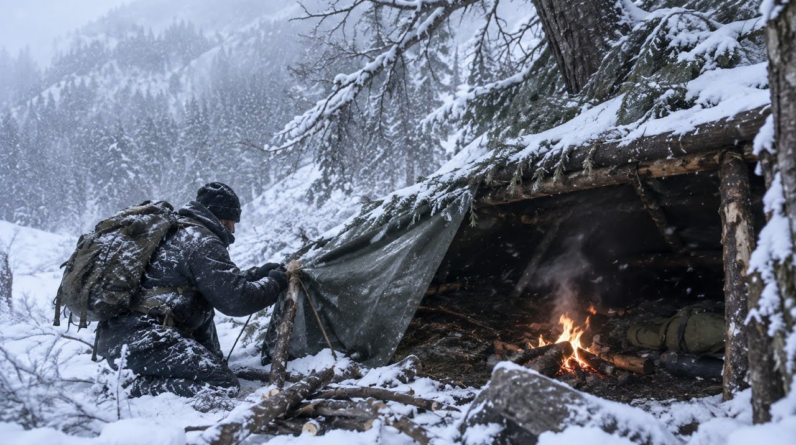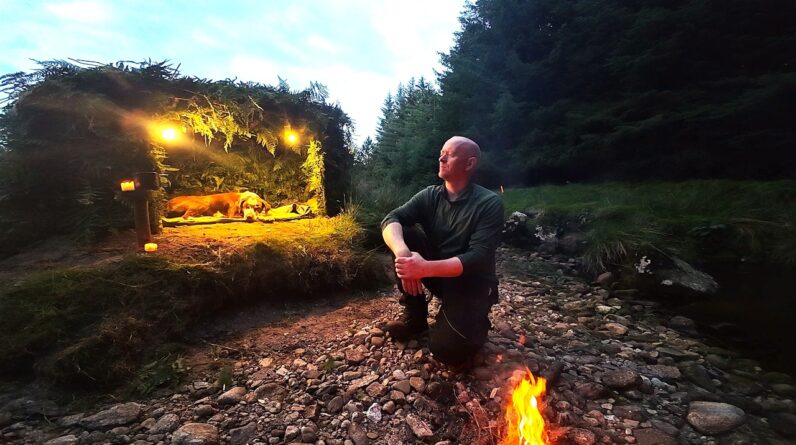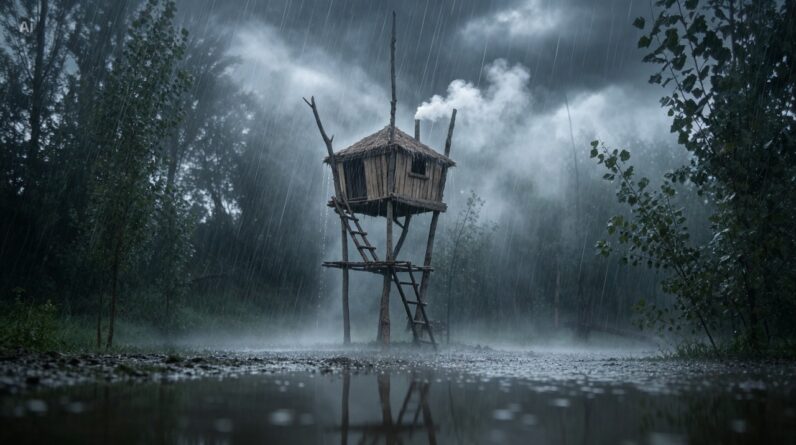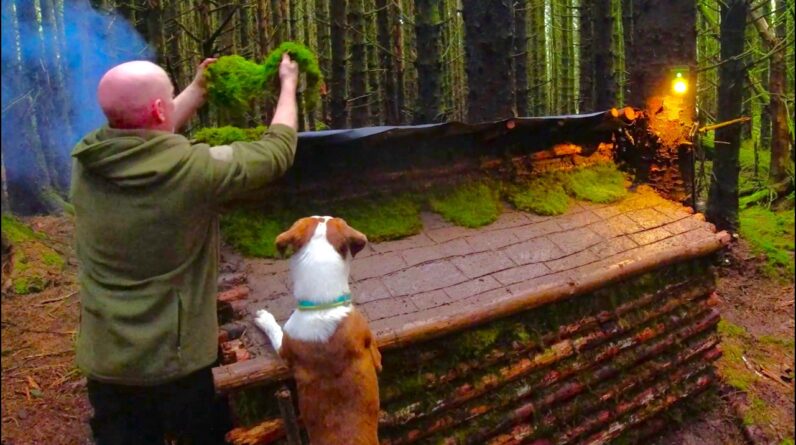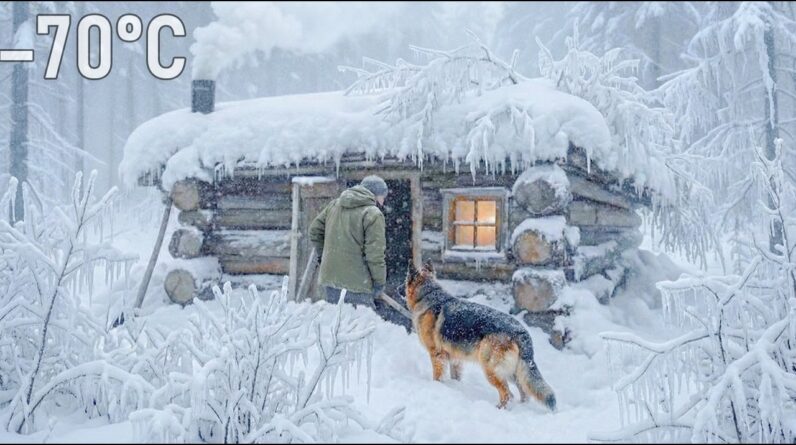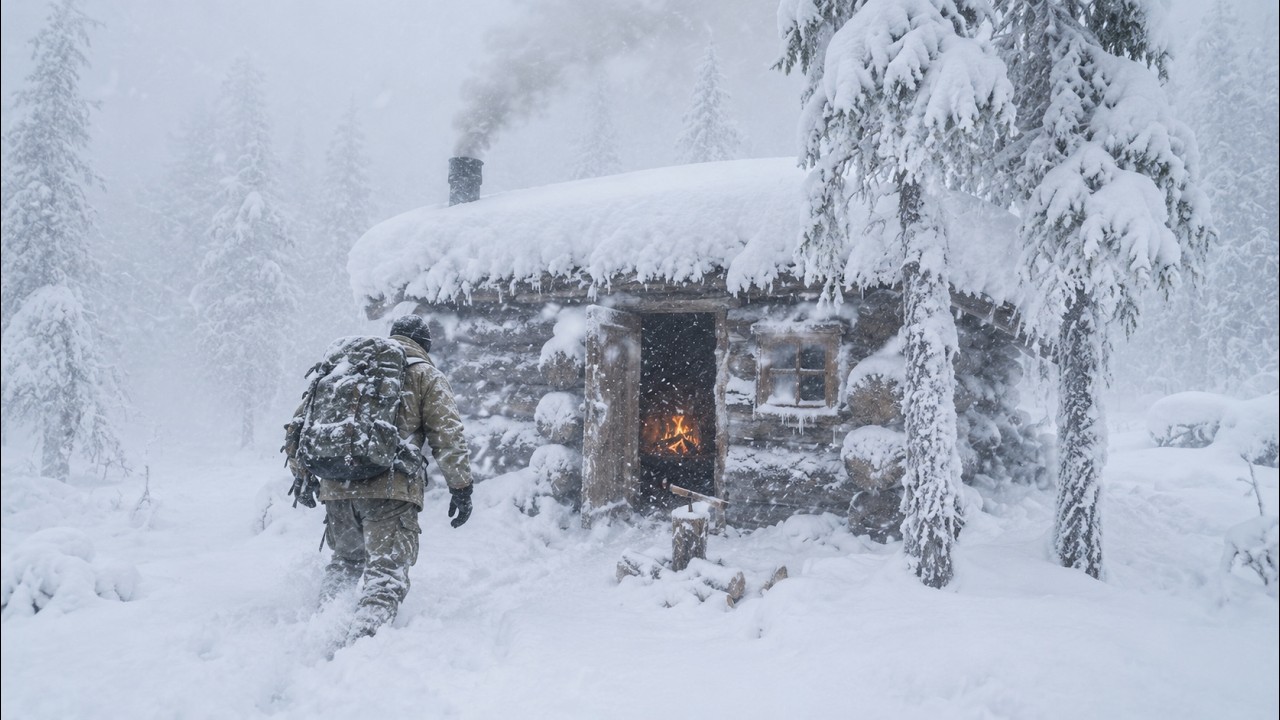
When a severe sub-zero snowstorm strikes the backcountry, your survival hinges on three things: shelter, warmth, and rationing. In this video from Beyond Survival, the host spends seven grueling days trapped in an isolated wooden cabin as howling blizzard winds and heavy whiteouts make the outside world impassable. Each day brings a new challenge: maintaining heat, conserving food, melting snow for drinking water, and fighting the creeping threat of hypothermia.
What makes this video valuable is the day-by-day breakdown of decision-making under extreme cold stress. You will see real-world winter shelter strategies, fire management techniques in sub-zero conditions, and the psychological toll of prolonged isolation during a storm. Whether you are a winter camper, backcountry hunter, or prepper planning for grid-down scenarios, the lessons from this seven-day ordeal translate directly into actionable survival knowledge you can apply when the temperature drops and the snow starts piling up.
The real power of this footage lies in its honesty. There are no Hollywood shortcuts here, no dramatic rescues, no easy fixes. Just the slow, grinding reality of what it takes to stay alive when the world outside turns white and hostile. Every choice the host makes, from when to add another log to the fire to when to eat another ration, is a decision that could mean the difference between life and death. By studying those decisions, you gain a mental playbook for your own winter emergencies before you ever need to use it.
Key Survival Takeaways
- Shelter selection matters more than shelter construction. The cabin was already standing, but choosing a structure with intact walls, a closeable door, and a roof that sheds snow was the single most important decision. In a wilderness setting, prioritizing an existing natural or man-made shelter over building one from scratch in a blizzard can save critical hours and conserve body heat.
- Fire management in sub-zero conditions requires constant attention. A single fire is not enough. The host maintained a heating cycle, feeding the stove or hearth at regular intervals through the day and night. Gathering enough firewood before the storm hits is essential because once the blizzard sets in, foraging becomes dangerous and exhausting.
- Snow is a water source but must be melted efficiently. Melting snow for drinking water consumes significant fuel. Packing snow tightly into a container and melting it slowly over a heat source yields more water per unit of fuel than trying to flash-melt loose powder. Always purify melted snow if possible, as it can carry contaminants.
- Hypothermia prevention is a 24-hour job. Staying dry is more important than staying warm. Wet clothing loses up to 25 times more heat than dry clothing. Layering, removing sweaty layers before they soak, and keeping extremities covered are non-negotiable in prolonged cold exposure.
- Food rationing extends your survival window. With limited supplies, the host stretched rations across all seven days. Caloric intake should be timed to match activity levels, and comfort foods high in fat and protein provide longer-burning energy in the cold.
- Mental resilience is a survival skill. The psychological weight of isolation, darkness, and cold is real. Establishing daily routines, keeping a fire going, and breaking the ordeal into day-by-day goals kept morale intact and prevented panic-driven mistakes.
- Monitor for carbon monoxide if using any combustion inside. Even with a chimney, a poorly ventilated stove can produce deadly carbon monoxide. Cracking a window or ensuring a draft is critical. Carbon monoxide is odorless and colorless, and symptoms of poisoning, headache, dizziness, and nausea, can be mistaken for cold stress. A battery-powered CO detector is a small investment that can save your life.
Pre-Storm Preparation Checklist
The single biggest advantage in any winter survival scenario is having your supplies ready before the weather turns. If you shelter in a cabin, hunting blind, or other semi-permanent structure, pre-positioning critical supplies can mean the difference between a manageable ordeal and a life-threatening emergency. Here is a practical checklist drawn directly from the challenges faced in this video:
- Firewood stockpile: Store at least 7 to 10 days of dry, split firewood inside the shelter before winter. Wet or frozen wood burns poorly and wastes energy.
- Water reserves: Keep a minimum of 1 gallon per person per day. When stored water runs low, switch to snow melting with a dedicated pot and fuel plan.
- Non-perishable food: Stock calorie-dense foods like nuts, dried meat, peanut butter, and hard grains. Aim for at least 2,000 calories per day per person.
- Insulation materials: Pack extra blankets, sleeping bags, and foam pads. Stuffing gaps in walls with clothing or debris blocks drafts that drain heat.
- Light sources: Headlamps with spare batteries, candles, and a lighter-based lantern combat the psychological weight of long winter nights.
- Communication: A charged emergency radio or satellite messenger allows you to call for help if conditions deteriorate beyond your control.
Common Winter Survival Mistakes to Avoid
Even experienced outdoorsmen make mistakes in extreme cold. The following errors are the ones most likely to turn a difficult situation into a fatal one:
- Overexerting yourself in the cold. Sweating in sub-zero temperatures is dangerous because wet clothing loses insulating value rapidly. Work in short bursts, remove layers during heavy tasks, and add them back during rest.
- Eating snow directly. Eating raw snow lowers your core body temperature and wastes energy. Always melt it first and purify if possible.
- Letting the fire die overnight. A fire that goes out while you sleep means you wake up to a freezing shelter. Bank the coals with ash or use a slow-burning log arrangement to keep heat going through the night.
- Ignoring the signs of frostbite. Numbness, white patches on skin, and a waxy appearance are early warning signs. Check extremities regularly and warm them gradually, never rub frostbitten tissue.
- Underestimating dehydration. Cold air is dry, and you lose moisture with every breath. Drink water regularly even when you do not feel thirsty.
Essential Winter Survival Gear
Surviving an extended winter storm requires gear that performs in sub-zero conditions. Each item below addresses a specific survival priority highlighted in this seven-day ordeal:
- Sleep system: A high-quality sub-zero winter sleeping bag rated for extreme cold is your first line of defense against hypothermia during sleep. Pair it with an insulated pad to block ground cold.
- Fire starting: For reliable fire starting in wet and freezing conditions, a ferrocerium rod fire starter outperforms matches and lighters every time. Carry multiple ignition sources as backups.
- Emergency warmth: Pack emergency thermal blankets to reflect body heat and create a microclimate inside your shelter. They weigh almost nothing and can be lifesavers.
- Snow tool: A compact portable snow shovel is indispensable for digging out entrances, clearing ventilation paths, and building snow walls for wind protection.
- Water purification: A portable backcountry water filter ensures that melted snow and any water you find is safe to drink. Do not assume cold water is clean water.
As an Amazon Associate, we earn from qualifying purchases.
Conclusion
Seven days in a frozen cabin during a blizzard is a powerful demonstration of what winter survival really demands. It is not about one dramatic moment but about hundreds of small decisions: when to feed the fire, when to sleep, when to ration, and when to simply wait. The biggest takeaway is that preparation before the storm is everything. Stockpile firewood, insulate your shelter, and keep cold-weather gear within reach.
Avoid the common mistakes of overexertion, dehydration, and neglecting your fire through the night. Build your winter survival kit before you need it, practice with your gear in controlled conditions, and develop the mental discipline to stay calm when the storm does not end. When the next blizzard rolls in, you will be ready not just to survive it, but to endure it with confidence.