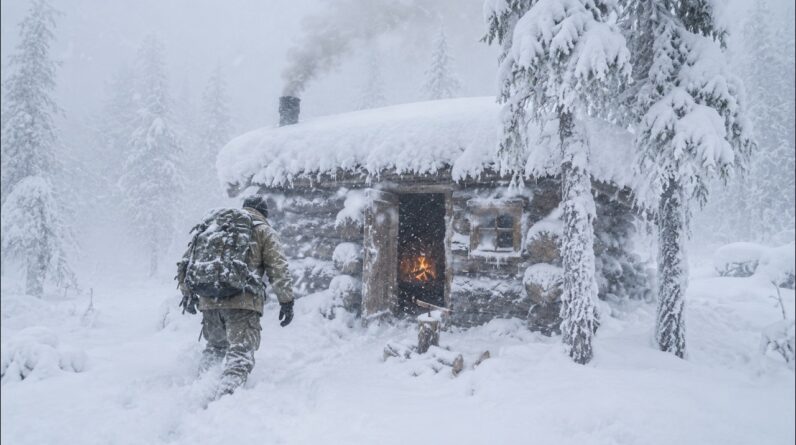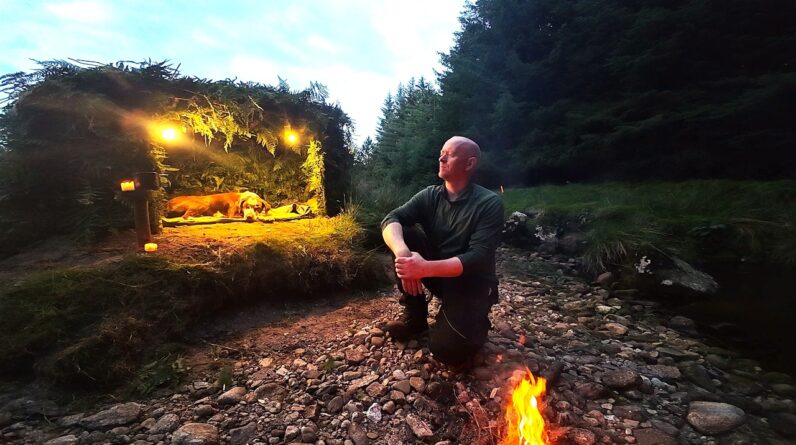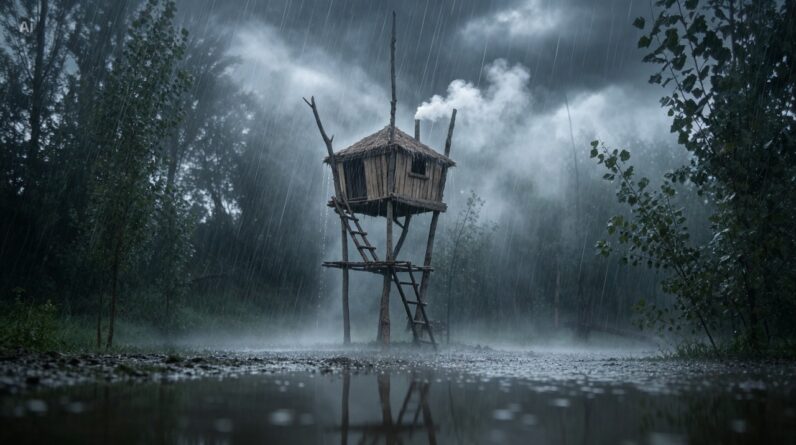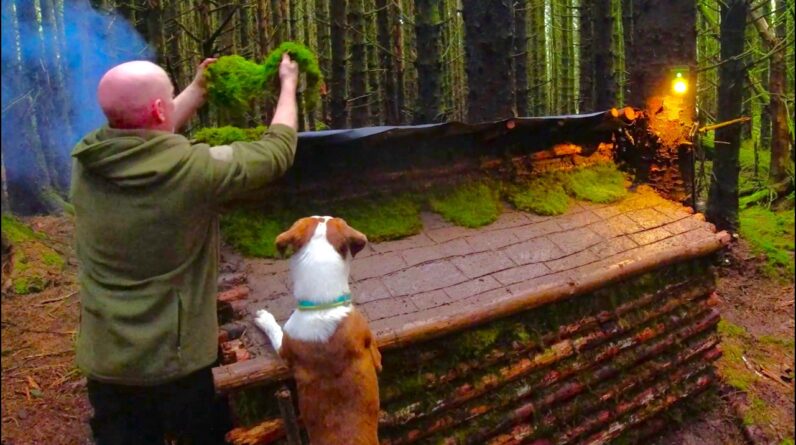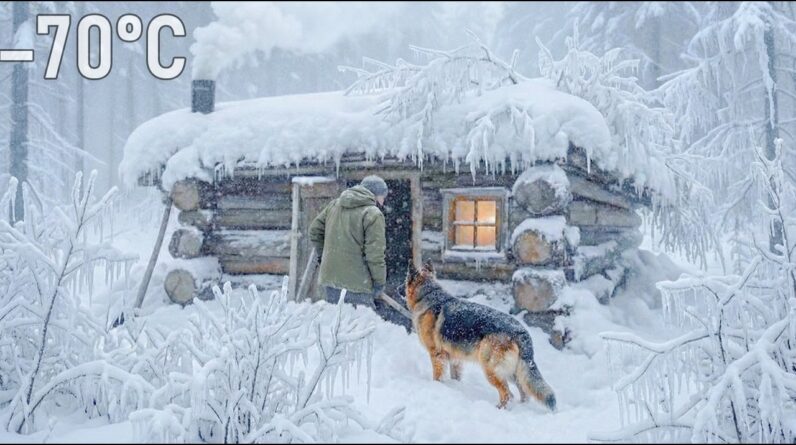
When temperatures plunge well below freezing and a snowstorm ramps up to deadly intensity, your shelter becomes the single most important factor keeping you alive. In this immersive 4-day winter survival challenge, a solo bushcrafter ventures into deep wilderness with only basic hand tools and the knowledge passed down through generations of cold-weather survival. No tent, no sleeping bag, no fallback cabin. Just raw skill, natural materials, and the will to endure.
What unfolds is a complete masterclass in cold-weather shelter construction under the worst possible conditions. The builder faces extreme cold, heavy snowfall, and powerful winds while working against the clock to create a structure that will trap heat, block wind, and keep hypothermia at bay through four long nights. Every decision matters, from choosing the right location to knowing which trees to harvest and how to layer materials for maximum insulation.
This guide breaks down every critical technique demonstrated in the video, from site selection and material gathering to frame construction, insulation layering, and fire placement. Whether you are an experienced outdoorsman preparing for winter expeditions or a beginner building your bushcraft foundation, these winter shelter principles could save your life when the weather turns against you.
The Build: From Frozen Ground to Finished Shelter
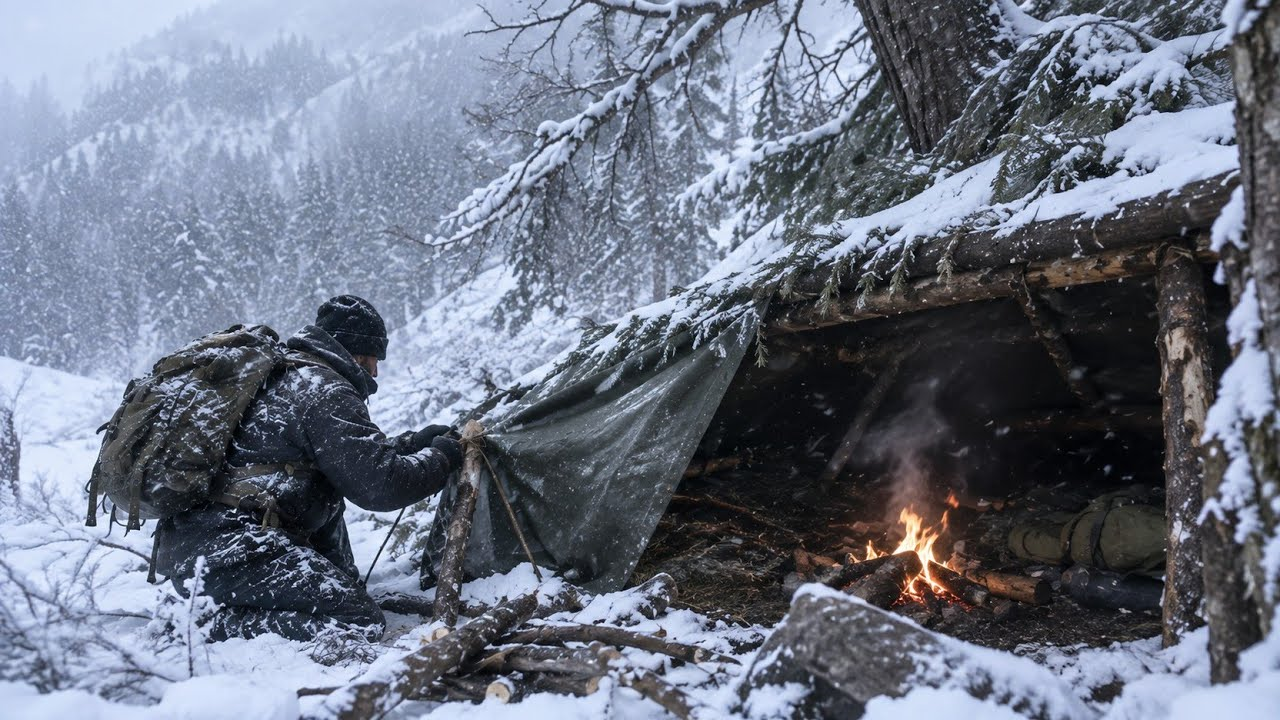
The video documents every stage of constructing a bushcraft shelter from scratch in deep snow and subfreezing temperatures. The process begins with clearing a foundation through packed snow and frozen ground, then harvesting standing deadwood for the main structural frame. Ridgepoles and wall posts are notched and lashed together using natural cordage or paracord to form a sturdy skeleton capable of supporting significant snow load.
Once the frame is complete, the builder layers branches, boughs, and debris against the structure to build up insulation thickness. The key is overlapping each layer from bottom to top, like shingles, so melting snow and rain shed away from the interior. Snow is then packed around the exterior, adding both windproofing and an additional thermal barrier. The trapped air in packed snow actually improves insulation performance, which is why snow caves and quinzees work so well in extreme cold.
Inside, a raised bed platform keeps the sleeper off the frozen ground, layered with pine boughs and dry material for warmth. This ground insulation layer is critical: conducting body heat into frozen earth drains warmth faster than cold air ever will. Without a thick bed of insulating material between your body and the ground, even the best-built shelter cannot prevent hypothermia. A small fire pit is positioned just outside the entrance with a reflective wall of stones or green logs to bounce heat inward toward the sleeping area.
The build illustrates how each layer serves a distinct purpose: structural integrity, insulation, moisture management, and heat retention. Nothing is wasted, and every decision reflects hard-earned winter survival knowledge that could one day keep you alive when the temperature drops and the wind howls.
Winter Shelter Design Options
Not all winter shelters are created equal. The builder in this video opts for a hybrid debris-and-snow shelter, but understanding your options helps you adapt to whatever terrain and conditions you face:
- Debris hut: A classic survival shelter made from a ridgepole supported by two forked sticks, covered in layers of branches, leaves, and debris. Effective in forests with abundant material but requires significant insulation in deep winter.
- Snow cave: Carved into a deep snowdrift, a snow cave uses the insulating properties of snow itself to maintain an interior temperature around 32°F even when outside temps drop to -40°F. Requires deep, consolidated snow.
- Quinzee: A shelter built by piling snow, letting it settle, then hollowing it out. Less dependent on natural snow depth than a snow cave, making it more versatile in varied conditions.
- Lean-to with reflector wall: A simple open-faced shelter with a fire reflector wall. Best for milder winter conditions or when firewood is abundant, but offers less protection than enclosed designs during blizzards.
The shelter built in this video combines principles from several of these designs: a structural frame like a debris hut, snow packing like a quinzee, and a fire reflector wall like a lean-to. This hybrid approach maximizes the strengths of each technique while compensating for their individual weaknesses in extreme cold.
Key Survival Takeaways
- Site selection is everything. The builder chose a location with natural windbreaks and easy access to building materials. A poor site exposes you to wind funnels and drifting snow, negating even the best-constructed shelter. Always scout for terrain features like ridges, dense tree cover, and natural depressions that offer protection before committing to a build site.
- Use what the landscape provides. Dead-standing timber, fallen branches, and snow itself become building materials. Reading the forest for structural resources saves precious energy and time when every calorie counts in freezing conditions. Learn to identify which trees are dead but still standing, as they offer the driest, most workable wood.
- Insulation is your primary defense against cold. Layered natural materials trap body heat and create a microclimate inside the shelter. Without adequate insulation between you and frozen ground, hypothermia sets in quickly regardless of wall quality. Ground insulation matters more than wall thickness, so prioritize your sleeping bed before worrying about the roof.
- Fire placement matters. A fire close enough to radiate heat but far enough to avoid igniting the shelter requires careful planning. A reflective heat wall of stone or green logs directs warmth into the shelter rather than letting it escape into the night. Never build a fire inside an enclosed debris shelter without proper ventilation, as carbon monoxide is a silent killer in winter survival situations.
- Snow is a building material, not just a hazard. Packed snow blocks add insulation and windproofing to shelter walls. Snow’s trapped air pockets make it an excellent thermal barrier when packed densely and used correctly in construction. Many indigenous cultures in arctic regions have relied on snow shelters for thousands of years for exactly this reason.
- Work in layers and pace yourself. Building a shelter in extreme cold is physically exhausting. Breaking the work into manageable stages, resting between tasks, and staying hydrated prevents exhaustion and sweat-related hypothermia. Remove layers during heavy work to avoid soaking your clothing in sweat, then add them back during rest periods.
- Mental resilience sustains physical effort. Four days alone in a blizzard tests your will as much as your skills. Staying focused on small, achievable tasks prevents panic and keeps you working productively when conditions are at their worst. Celebrate small wins, like completing the frame or finishing the bed platform, to maintain motivation.
Essential Winter Bushcraft Gear
Building a winter bushcraft shelter demands tools that can handle frozen wood and harsh conditions. A quality bushcraft axe is essential for felling small trees and splitting frozen wood for both construction and fire. Pair it with a rugged fixed blade knife for notching, carving, and cordage work. A ferrocerium rod ensures reliable fire ignition even in wet, freezing conditions where matches fail. For sleeping, a four-season sleeping bag rated for subzero temperatures provides critical backup insulation. Finally, a winter survival tarp offers an instant windbreak and moisture barrier while you construct a more permanent shelter.
As an Amazon Associate, we earn from qualifying purchases.
Conclusion
Surviving a multi-day snowstorm with nothing but bushcraft skills and natural materials is a powerful reminder that knowledge is your most important survival tool. The techniques demonstrated in this video translate directly to real winter emergencies where help may be hours or days away. Practice building shelters in fair weather before you need them in a crisis, invest in quality tools that will not fail when you need them most, and never underestimate the deadly combination of cold, wind, and wet conditions. When the next winter storm catches you off guard, these skills could make all the difference.