Off-grid heating has a reputation for being smoky, crude, and a constant chore. You feed the firebox every few hours, wake up to a cold cabin, and choke on creosote buildup. But the technology available today tells a completely different story. Modern off-grid heating systems have evolved to the point where they can rival the comfort and convenience of a grid-tied furnace, without the monthly utility bill.
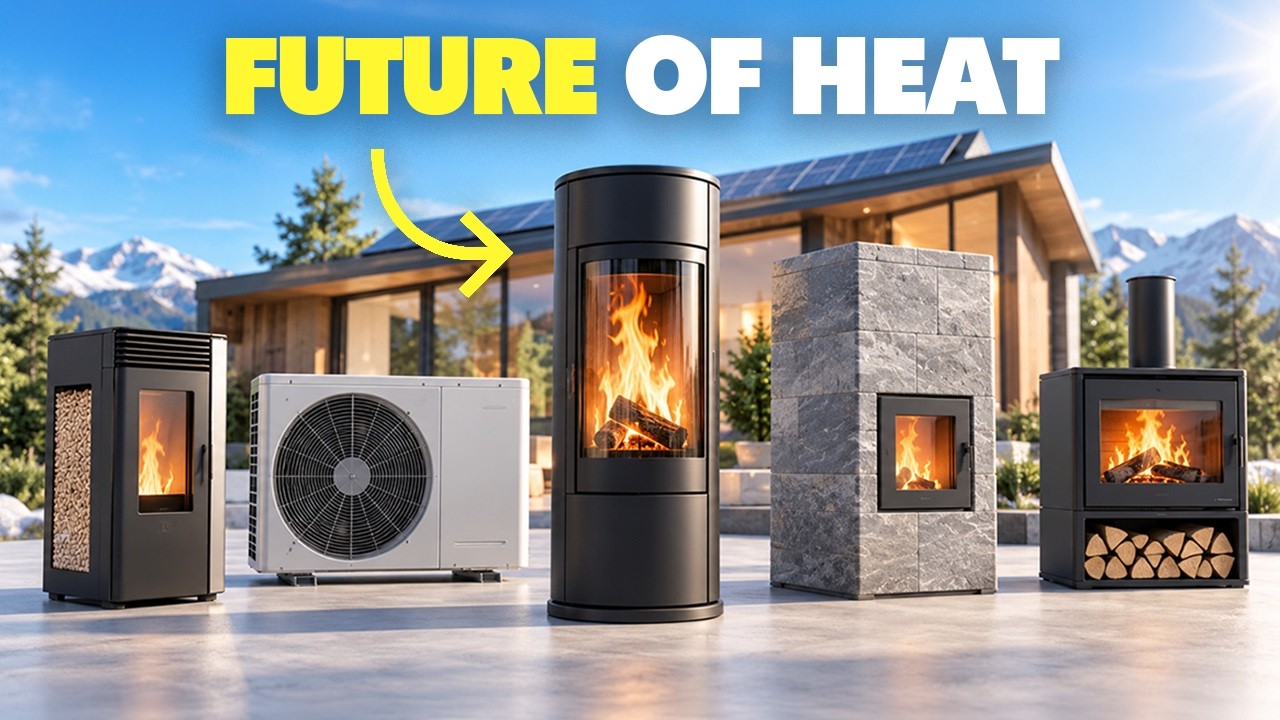
In this guide, we break down five off-grid heating systems you can buy right now in the United States, from a soapstone stove that hides a masonry heater’s thermal mass inside a compact body to a Danish stove that regulates its own draft with a bimetallic strip, the only non-electric pellet stove on the market, and a cold-climate heat pump that maintains full output well below freezing. If you are building an off-grid home, upgrading a cabin, or just preparing for winter power outages, these are the systems worth knowing about.
Key Survival Takeaways
- Masonry heaters store heat, not just burn it. A soapstone stove absorbs combustion heat into its thermal mass and radiates it steadily for 12 to 24 hours after the fire goes out. You burn hot and fast for clean combustion, then enjoy gentle radiant warmth long after the flames die. This means fewer refuels and a more consistent overnight temperature.
- Self-regulating stoves simplify the burn. The Danish stove design uses a bimetallic strip that bends as it heats up, automatically adjusting the air intake. No electricity, no thermostat, no moving parts to fail. It dials in its own optimal burn rate for cleaner emissions and better fuel efficiency.
- Non-electric pellet stoves exist. Pellet stoves are notorious for requiring electricity to run the auger and fans. But at least one model on the market operates entirely without power, using gravity-fed pellets and a natural convection draft. That makes it a genuine off-grid option, not just a grid-dependent appliance that happens to burn biomass.
- Cold-climate heat pumps work below freezing. Modern cold-climate heat pumps can maintain full heating output at temperatures as low as -13°F (-25°C). Paired with a modest solar battery bank, they offer silent, smokeless, thermostat-controlled heat with no combustion and no fuel storage, a compelling option for well-insulated off-grid homes.
- Matching the heater to your climate matters more than the heater itself. A masonry heater is ideal for cold, dry climates with abundant firewood. A cold-climate heat pump works best in a well-insulated home with sufficient solar capacity. A non-electric pellet stove shines where compressed pellets are readily available but power is unreliable.
- Chimney design is non-negotiable. Every combustion-based system on this list still needs a properly sized, insulated chimney to draft correctly. A great stove with a poor chimney will smoke back, burn dirty, and underperform. Budget for the flue as carefully as the heater itself.
Gear and Equipment
If you are planning an off-grid heating upgrade, these tools and components will help you install and maintain your system. A reliable wood stove installation kit includes the chimney pipe, flashing, and rain cap you need for a safe, code-compliant vent. For maintaining your stove and chimney, a quality stove maintenance kit and chimney brush removes creosote buildup and keeps your draft strong. If you are going the masonry route, a set of refractory firebricks lets you build a thermal mass heater core that stores heat efficiently. For homes considering a heat pump, a cold-climate mini split heat pump is the starting point, and pairing it with a portable solar power station gives you the clean electricity to run it off-grid.
As an Amazon Associate, we earn from qualifying purchases.
Conclusion
Off-grid heating no longer means choosing between comfort and independence. Whether you lean toward the stored radiant warmth of a masonry heater, the hands-off convenience of a self-regulating stove, the fuel flexibility of gravity-fed pellets, or the silent cleanliness of a cold-climate heat pump, there is a real solution for every situation. The key is matching the system to your climate, your fuel supply, and your insulation level, then investing in quality installation from the stove to the chimney cap.