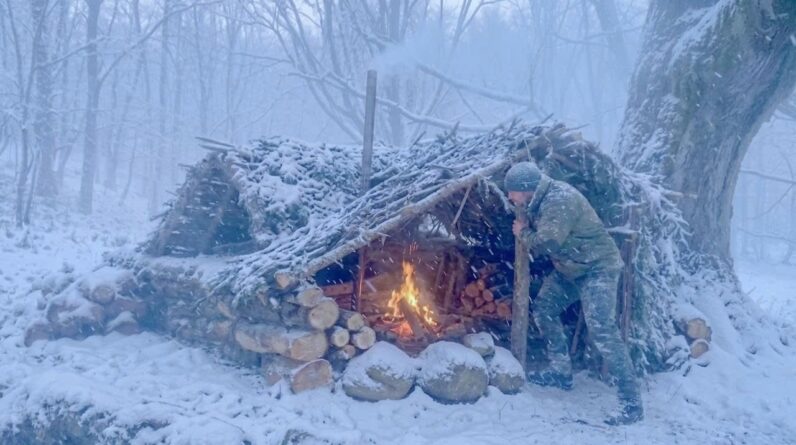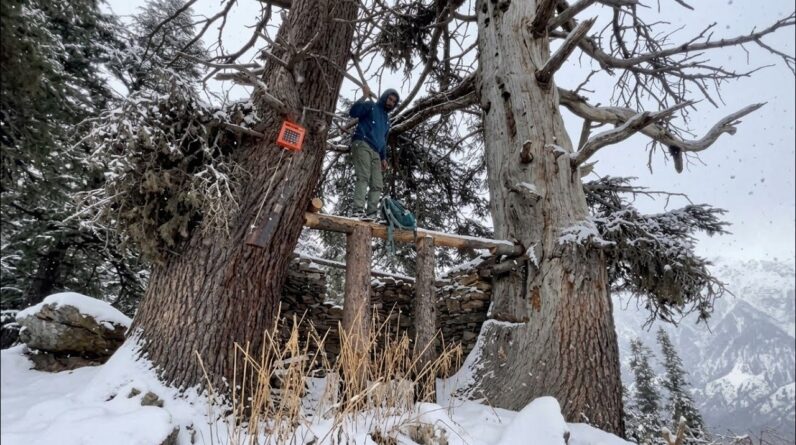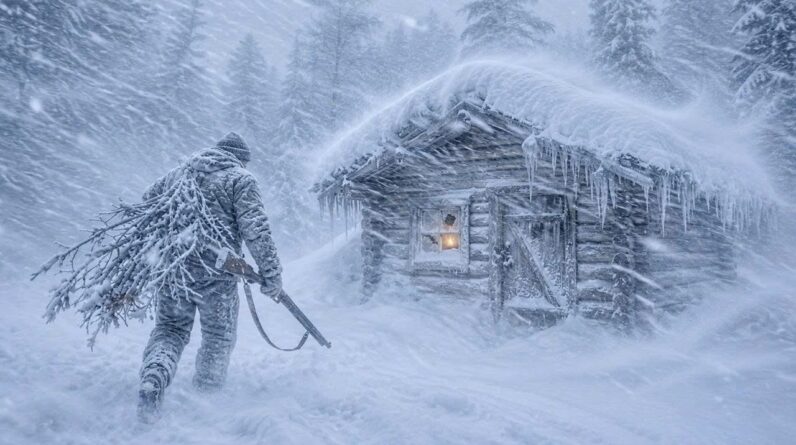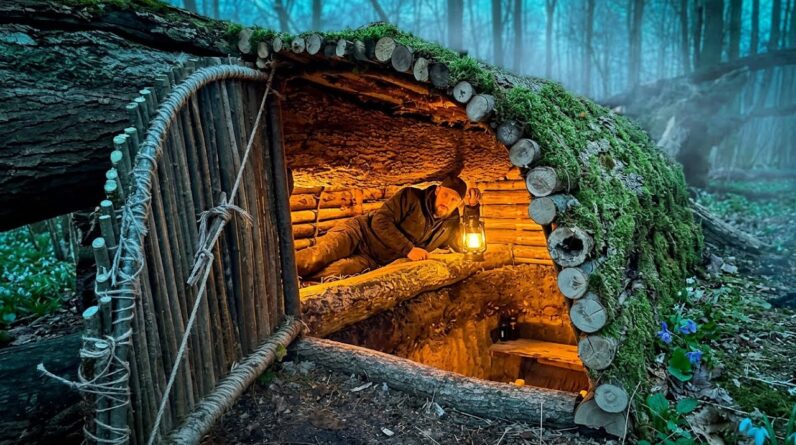
When temperatures plunge well below freezing and the wind howls through a blizzard, most people assume a tent without a heater is a death sentence. The reality is far more nuanced. Every winter, hundreds of people survive nights outdoors in conditions that would send most campers running for shelter. The difference between surviving and succumbing is not luck. It is technique. Understanding how to manage body heat, select the right shelter, and work with the environment rather than against it can keep you alive in brutal cold.
In this guide, we break down the counterintuitive strategies that experienced winter survivalists use to sleep through blizzards without any external heat source. From the surprising way snow can actually work in your favor to the critical mistakes that cost people their lives, you will learn the practical skills that bridge the gap between a miserable night and a survivable one. Whether you are preparing for an emergency bug-out scenario or planning a cold-weather expedition, these techniques could save your life.
The core principle is simple: your body is the only heat source you have, and every decision you make either preserves that heat or wastes it. From the pad beneath you to the layers on your skin to the way you vent your tent, each choice compounds. Get enough of these right and an unheated tent in a blizzard becomes uncomfortable but survivable. Get them wrong and hypothermia can set in within hours.
The Science of Body Heat Loss
To understand why certain techniques matter, it helps to know the four ways your body loses heat in a winter environment. Conduction is heat lost through direct contact with cold surfaces, which is why ground insulation is so critical. Convection is heat carried away by moving air, making wind protection essential. Radiation is heat emitted from your body into the surrounding environment, which a mylar emergency blanket can reflect back. Evaporation is heat lost when sweat or moisture vaporizes from your skin, which is why managing perspiration and condensation matters so much. Every technique in this guide addresses one or more of these four mechanisms.
Key Survival Takeaways
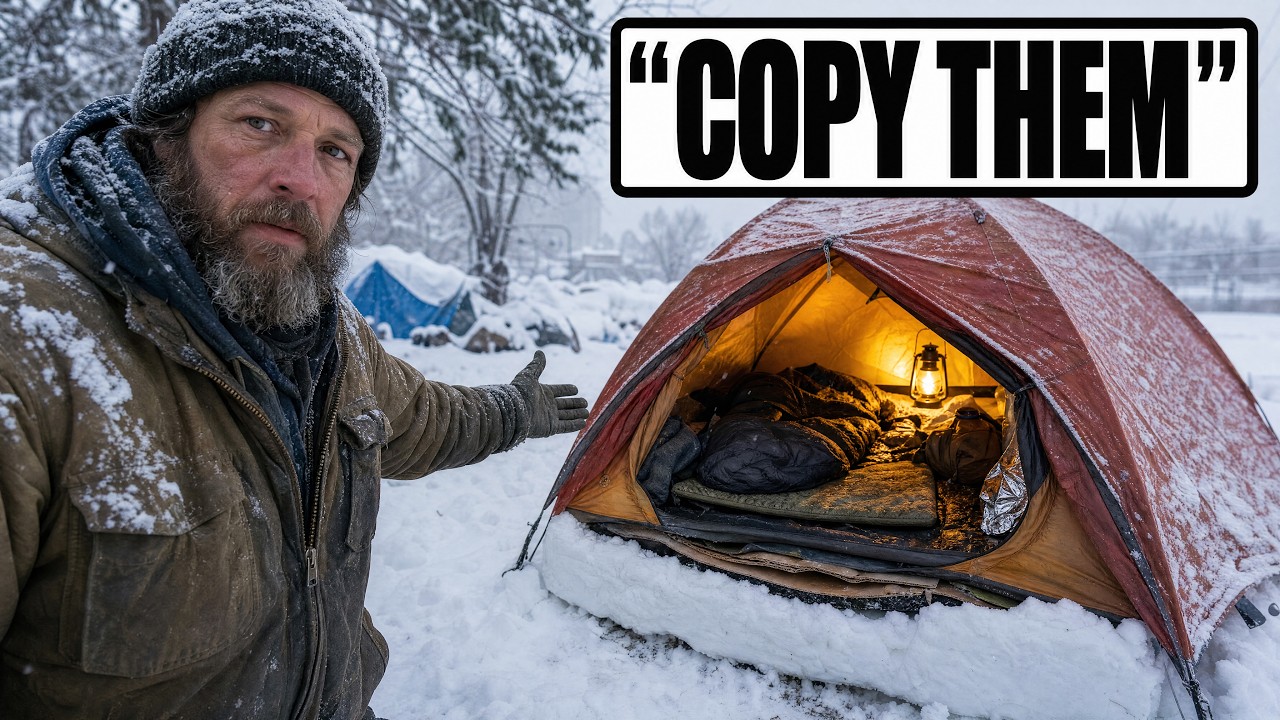
- Snow is not always your enemy. One of the most counterintuitive discoveries in winter tent survival is that leaving snow inside your tent, or even pitching directly on it, can create an insulating layer. Snow traps air pockets, and packed snow around a tent base blocks wind more effectively than any guylines. The instinct to clear every flake away before pitching can actually work against you.
- Ground insulation matters more than air insulation. You lose body heat up to 30 times faster through conduction with frozen ground than through convection with cold air. A closed-cell foam pad, even a cheap one, is the single most important piece of gear between you and hypothermia. Stack layers if you have them: cardboard, pine boughs, or emergency blankets all help.
- A cheap dome tent can outperform an expensive one in snow. A twenty-dollar dome tent with a low profile catches less wind and sheds snow more effectively than a tall, feature-rich tent. The key is structural stability. Guyline every point and bury the base in snow to anchor it against gusts.
- Your sleeping bag is only as warm as what is underneath it. Even a zero-degree bag will not help if your body heat is draining into frozen soil. Pair your bag with at least two inches of insulation between you and the ground, and never underestimate the value of wearing every layer you own inside the bag.
- Control moisture or it will control you. Breathing inside a sealed tent creates condensation that freezes on the tent walls and drips back down. Leave a small ventilation gap at the top to let moisture escape. A wet sleeping bag loses nearly all its insulating value, so keep your face outside the bag if condensation becomes severe.
- Site selection is your first line of defense. Pitch behind natural windbreaks such as fallen trees, rock formations, or dense brush. Avoid valley floors where cold air pools overnight, and never set up under snow-laden branches that could dump their load on you.
- Pre-warm your bag with body heat before fully settling in. Do calisthenics or jog in place before getting into your sleeping bag. Entering the bag warm means it traps that heat immediately, rather than spending your first hour warming cold nylon and insulation.
Common Mistakes That Can Kill You
- Skipping ground insulation entirely. This is the number one killer. People focus on the sleeping bag rating and forget that the frozen ground beneath them is draining heat faster than the air above. Even an improvised layer of pine boughs or cardboard is better than nothing.
- Cotton clothing. Cotton kills in winter. It absorbs sweat, loses all insulation value when damp, and clings to your skin. Wear wool or synthetic layers that retain warmth even when moist.
- Sealing the tent completely shut. It feels counterintuitive to open a vent in a blizzard, but a sealed tent fills with frozen condensation that soaks your gear. A fist-sized gap at the peak keeps moisture moving out.
- Sleeping in sweaty clothes. If you hiked hard to your campsite, change your base layer before getting in the bag. Perspiration in your clothing will cool your body temperature dramatically once you stop moving.
- Underestimating wind direction. Even with a low-profile tent, pitching the narrow end into the wind reduces surface area and drag. Rotate your tent so the smallest profile faces the prevailing gusts.
When to Abandon Your Tent
No technique can overcome every situation. If your tent collapses under snow load, your sleeping bag gets soaked, or you begin experiencing confusion, slurred speech, or loss of fine motor control, these are signs of advancing hypothermia. At that point, staying put is no longer the safer option. Have an exit plan: know the direction of the nearest shelter, road, or settlement, and move before your body loses the ability to do so. Survival is about making good decisions under pressure, and sometimes the right decision is to leave.
Essential Winter Survival Gear
Surviving a blizzard in an unheated tent comes down to having the right gear and knowing how to use it. A four-season winter tent is designed to handle snow loads and high winds, though even a basic dome tent works if pitched correctly. Your sleeping bag is critical. Invest in a sub-zero cold weather sleeping bag rated for temperatures well below what you expect to encounter. Pair it with a closed-cell foam sleeping pad to block ground conduction. This is the one item you should never skimp on. Chemical hand and body warmers can provide hours of supplemental warmth tucked into boots and pockets. A mylar emergency space blanket reflects up to 90% of your body heat and weighs almost nothing. Keep several in your pack as a backup layer. Finally, a set of merino wool thermal base layers regulates temperature and manages moisture far better than cotton, which can be deadly when wet.
As an Amazon Associate, we earn from qualifying purchases.
Blizzard Tent Survival Quick Checklist
- Pitch behind a natural windbreak, narrow end facing the wind
- Stack at least 2 inches of ground insulation beneath your sleeping bag
- Wear wool or synthetic base layers. Never cotton.
- Pre-warm your bag with calisthenics before settling in
- Leave a fist-sized vent at the tent peak for moisture escape
- Bury the tent base in snow for anchoring and insulation
- Keep a mylar emergency blanket as a backup heat reflector
- Change out of sweaty clothes before getting in your bag
- Know your exit route to nearest shelter before darkness falls
- Monitor for hypothermia signs: confusion, slurred speech, loss of dexterity
Conclusion
Sleeping through a blizzard in an unheated tent is not about endurance or toughness. It is about understanding thermodynamics and working with the environment. The techniques outlined here, from leveraging snow as insulation to prioritizing ground barriers, are the same ones that keep people alive on the streets and in the wilderness every winter. The science of heat loss tells us exactly what to protect and why, and the gear recommendations ensure you have the tools to do it. Practice these techniques before you need them, invest in the right gear, and always have a backup plan. Cold does not forgive unpreparedness, but it rewards those who respect it.