Build an Emergency Plan in the Right Order
Preparedness is most effective when it closes the biggest risks first. Buying random gear can feel productive, but a household is safer when it prepares for likely local hazards, protects essential needs, and practices the decisions that matter under stress.
This guide turns the City Prepping video into a practical sequence for water, food, medical needs, communication, warmth, sanitation, shelter, evacuation, and skills. The goal is not to predict every disaster; it is to create a flexible plan that works during the first minutes, the first few days, and a longer disruption.
Key Survival Takeaways
- Start with local hazards: rank threats by likelihood, consequence, and how easily you can reduce the risk.
- Protect essentials first: prioritize safe water, medications, food, lighting, warmth, sanitation, and communication.
- Create redundancy: keep backup water, lighting, charging, cooking, and information sources rather than relying on one device.
- Plan for the whole household: include children, older adults, pets, disabilities, dietary needs, prescriptions, and transportation limits.
- Practice critical actions: rehearse utility shutoffs, first aid, water treatment, evacuation routes, and emergency contacts.
- Prepare for evacuation: store protected copies of IDs, insurance information, prescriptions, contacts, and meeting locations.
- Review regularly: rotate supplies, test equipment, update contacts, and close one preparedness gap at a time.
Recommended Preparedness Gear
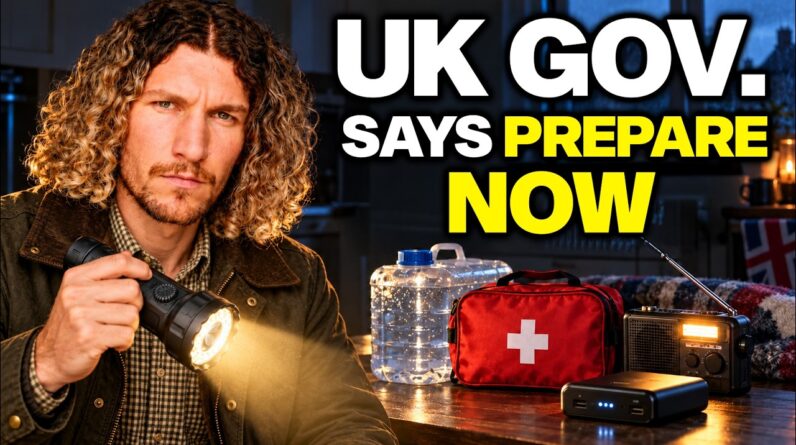
An emergency preparedness kit can provide a starting point, but inspect and customize it. Add water storage containers, a portable power station, a first-aid kit, and an accessible home fire extinguisher. Match quantities and equipment to your household, climate, and likely hazards.
As an Amazon Associate, we earn from qualifying purchases.
Use a Three-Stage Plan
For the first minutes and hours, leave unsafe buildings, call for help, shut off utilities only when appropriate, locate flashlights, and keep medications accessible. For several days, plan water, shelf-stable food, sanitation, charging, clothing, and official alerts.
For longer disruptions or evacuation, choose two routes and an out-of-area contact. Never operate generators, charcoal grills, camp stoves, or fuel-burning heaters indoors or in enclosed garages. Follow manufacturer instructions and verify dramatic claims through official emergency-management sources.
Conclusion
Good preparedness is a sequence of smart decisions, not a race to collect gear. Start with likely hazards, strengthen the weakest link, and practice the plan with everyone who may need to use it.