Introduction
When global tensions escalate and headlines grow more alarming by the day, the most important question isn’t whether a crisis will come, but whether you’ll be ready when it does. In this video from Goshen Prepping, the conversation centers on the uncomfortable realities of modern threats, from grid-down scenarios and power outages to broader national emergencies that could disrupt supply chains, communications, and daily life as we know it. The message is clear: the time to prepare is before the event, not after.
This isn’t about panic buying or building a doomsday bunker. It’s about practical, layered preparedness that covers the fundamentals: food, water, power, security, and family planning. Whether you’re new to prepping or looking to tighten up an existing setup, the strategies in this video apply to real people with real budgets. You’ll learn how to build a prepper pantry without emptying your wallet, assemble a bug out bag that fits your family, and create an emergency plan that every member of your household understands and can execute under pressure.
Key Survival Takeaways
- Build a layered food storage system: Don’t try to buy a year’s supply overnight. Start with a 3-day kit of non-perishables, expand to 30 days, then work toward a 90-day prepper pantry. Use the first-in, first-out rotation method to prevent waste. Focus on calorie-dense staples like rice, beans, canned meats, pasta, and dried goods that store well and need minimal cooking. Track expiration dates on a simple spreadsheet or notebook.
- Customize your bug out bag: Off-the-shelf kits are a starting point, not a finish line. Build a bag tailored to your family’s specific needs: prescription medications, copies of insurance and identity documents in a waterproof bag, cash in small bills, a change of clothes, and comfort items for children. Test-fit the bag and walk a mile with it. If it’s too heavy to carry for an hour, it’s too heavy to carry in an emergency.
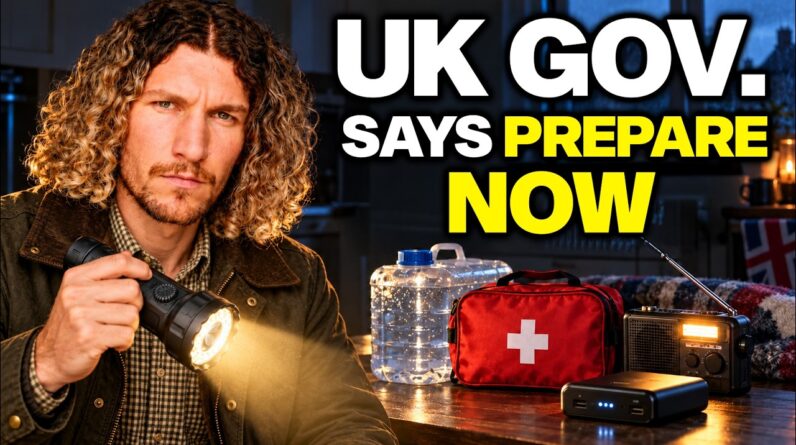
- Power outage readiness requires multiple layers: One flashlight won’t cut it. Invest in battery-powered LED lanterns for room lighting, a quality headlamp for hands-free work, a hand-crank or solar emergency radio for news and weather updates, and a portable power station for charging phones and running small medical devices. Store extra batteries in airtight containers and check them every six months.
- Family preparedness is a team effort: Every member of your household, including children, should know the emergency plan. Designate two meeting points, one near your home and one outside your neighborhood. Choose an out-of-area contact who can relay messages if local lines are down. Practice evacuation drills twice a year so the plan becomes automatic.
- Budget prepping is effective prepping: You don’t need to spend thousands. Dollar-store first aid supplies, bulk grains from warehouse clubs, and thrift-store camping gear can build a capable kit for under $100. Add one item per week and the cost spreads out naturally. The key is consistency, not big one-time purchases.
- Water storage and purification: Store one gallon per person per day, minimum, and plan for at least 14 days. But stored water runs out eventually. Learn at least two purification methods: boiling, chemical treatment with chlorine dioxide tablets, or mechanical filtration. A quality pump filter can process water from streams, lakes, or rainwater collection.
- Skills matter more than gear: A ferro rod in practiced hands beats a fancy gadget you’ve never used. Learn to start a fire in wet conditions, purify water three different ways, and cook a full meal without electricity. Practice these skills during camping trips or backyard drills before you need them for real.
Gear & Equipment
A well-rounded prepper setup doesn’t require a massive budget, but it does require choosing the right tools. Start with a rugged tactical bug out bag with enough capacity for your essentials and the durability to survive rough conditions. For grid-down communication, a solar hand-crank emergency radio is a must-have, keeping you connected to weather alerts and news when cell service fails. Water purification is non-negotiable, so invest in a proven survival water filtration system that removes bacteria, parasites, and microplastics from questionable sources. Fire-starting capability is essential for warmth and cooking, so carry a ferrocerium rod fire starter that throws sparks even in damp conditions. Finally, a compact portable power station can keep phones, radios, and medical devices running through extended outages.
As an Amazon Associate, we earn from qualifying purchases.
Conclusion
Emergency preparedness isn’t about living in fear or waiting for the end of the world. It’s about building quiet, practical confidence that your family can handle whatever comes next, whether that’s a week-long power outage, a supply chain disruption, or something bigger. Start small, stay consistent, and focus on the fundamentals: food, water, power, communication, and a plan your whole family knows by heart. The most important step is the first one, and the best time to take it is now, while stores are open and the grid is up. Watch the full video above and start building your preparedness foundation today.