Why the Farming Crisis Threatens Your Food Supply
The food on your table depends on a fragile supply chain that begins with farmers making critical decisions months before harvest. Right now, that chain is under unprecedented stress. Diesel prices, fertilizer costs, and interest rates are climbing simultaneously, forcing farmers across the country to delay equipment purchases, scale back capital investments, and in some cases reduce planted acreage. When farmers postpone upgrades and cut inputs, the consequences ripple through the entire food system — from reduced crop yields to bare grocery store shelves and prices that climb week after week.
In this video from City Prepping, the analysis breaks down exactly what is happening on the agricultural side and why it directly affects your household. You will learn which rising costs are squeezing farmers the hardest, how those pressures translate into food price inflation, and what practical steps you can take now to build food security resilience before these trends intensify. Understanding the farm-level crisis is the first step toward meaningful personal preparedness, and the time to act is before the shelves reflect what is happening in the fields.
Key Survival Takeaways
- Rising diesel costs hit every stage of food production. Fuel powers tractors for planting and harvesting, transports crops to processing facilities, and runs the refrigeration systems that keep food fresh from farm to store. When diesel prices climb, every link in the food chain absorbs the cost, and consumers ultimately pay the difference at the checkout counter. Farmers cannot simply absorb these increases without cutting somewhere else, and those cuts show up as smaller harvests and higher prices downstream.
- Fertilizer prices threaten crop yields directly. Farmers who reduce fertilizer applications to save money produce smaller harvests with lower nutritional density. Widespread cutbacks across industrial agriculture mean tighter national food supplies and steeper prices at the grocery store six to twelve months down the line. This is not speculation — it is basic agricultural economics playing out in real time across thousands of farms.
- Financing costs are choking farm investment. Higher interest rates make equipment loans, land purchases, and operating credit significantly more expensive. Farmers are deferring purchases of tractors, irrigation infrastructure, grain storage, and other capital equipment that directly determines productivity and efficiency. A tractor not purchased today is a harvest not optimized tomorrow, and the compounding effect of delayed investment can take years to reverse.
- Food price inflation lags behind farm decisions. The choices farmers make today about what to plant, how much fertilizer to apply, and whether to upgrade equipment manifest at the grocery store months later. By the time prices spike on shelves, the underlying production shortfalls are already locked in. Waiting for prices to rise before you prepare means you are already behind the curve.
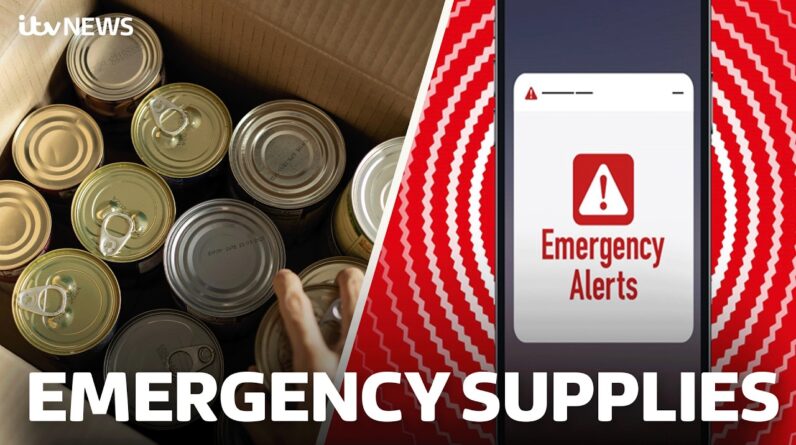
- Deep pantry storage is your first line of defense. Building a systematic food reserve with shelf-stable staples — grains, beans, rice, canned goods, and freeze-dried meals — and rotating stock regularly creates a meaningful buffer against sudden price jumps and temporary supply disruptions. A three-month supply of basics can turn a crisis into a manageable inconvenience rather than a household emergency.
- Learn food preservation skills now. Canning, dehydrating, fermenting, and vacuum sealing extend the useful life of bulk purchases and seasonal harvests. These skills let you buy low and eat well for months, regardless of what happens at the supermarket. They also turn a backyard garden from a hobby into a genuine food security asset that pays dividends every growing season.
- Build local food relationships before you need them. When national supply chains strain, connections with local farmers, farmers markets, food co-ops, and community gardens become essential. Knowing your food sources gives you options and access when the industrial system falters. A relationship built today costs nothing but may prove invaluable when shelves thin out and prices surge.
Gear & Equipment for Food Security Preparedness
Building food security requires the right tools to store, preserve, and sustain your household through supply disruptions and price spikes. Whether you are just starting your preparedness journey or expanding an existing pantry, these essentials form the backbone of a resilient home food system that can weather the farming crisis ahead:
- Food storage buckets with gamma seal lids for protecting bulk grains, rice, and beans from moisture and pests
- Mylar bags with oxygen absorbers for extending the shelf life of dry goods to 20+ years
- Pressure canner for home food preservation for safely preserving meats, vegetables, and full meals at home
- Emergency water filtration system for ensuring clean drinking water during any supply disruption
- Freeze-dried emergency food supply kit as a ready-made long-term backup pantry for your household
As an Amazon Associate, we earn from qualifying purchases.
Conclusion
The farming crisis is not a distant abstract threat. It is a slow-moving disruption that will show up in your grocery bill and on your pantry shelves. The farmers who produce your food are telling you that rising costs and reduced investment will squeeze the food supply from every direction. The smartest move you can make is to start building food resilience today, one practical step at a time, before the consequences arrive at your kitchen table. Prepare now, and you will eat well no matter what happens next.