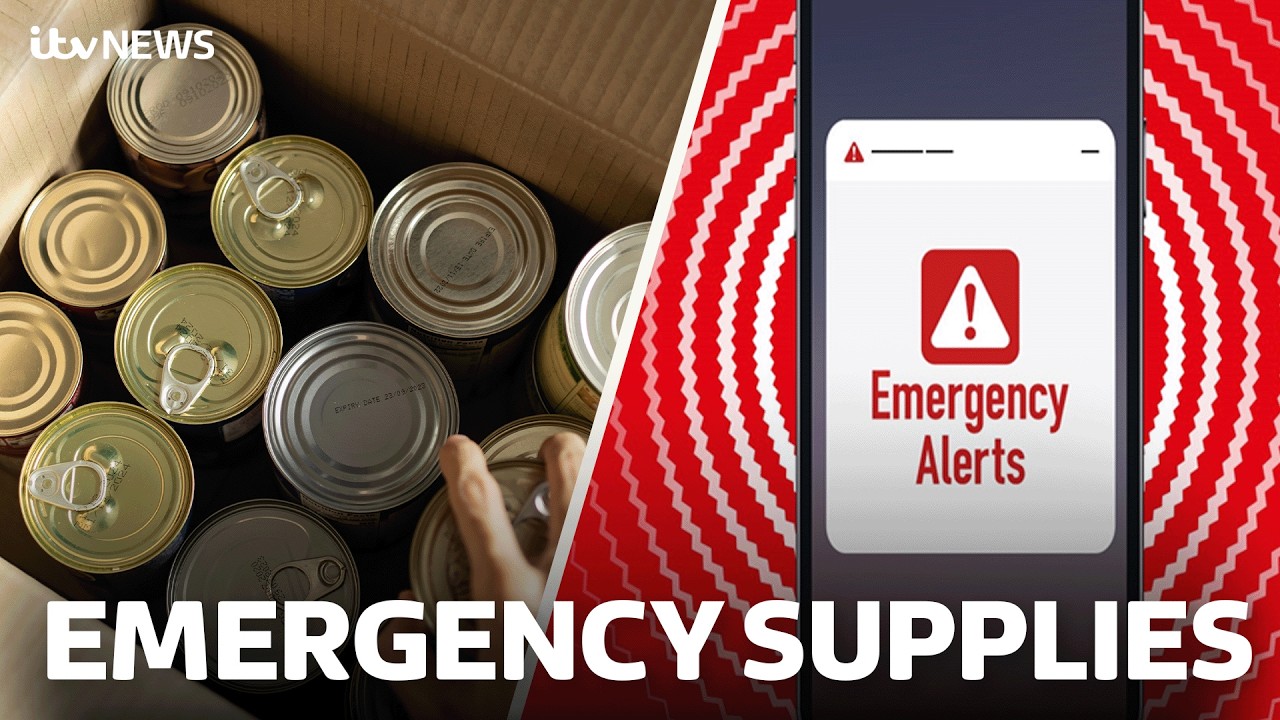
Recent government warnings about stockpiling food have sparked growing concern among citizens worldwide. With threats ranging from extreme weather events and cyber attacks to global conflicts disrupting supply chains, officials are now openly advising households to maintain emergency food reserves. This shift in government messaging marks a significant departure from years of reassurance that modern supply chains would always deliver. What was once considered fringe prepper advice has now entered mainstream policy discussion.
In this guide, we break down the key reasons behind the stockpiling advisory, what experts recommend you store, and practical steps to build a resilient emergency food supply that could sustain your family through a crisis. Whether you are new to preparedness or already have a pantry started, the information in the video and article below will help you take meaningful action before store shelves go empty.
Key Survival Takeaways
- Maintain at least 72 hours of emergency food and water per person, ideally expanding to two weeks or more for serious supply chain disruptions. Government advisories now echo what preppers have said for years about the importance of household readiness.
- Focus on shelf-stable foods with long expiration dates. Canned goods, dried grains, legumes, pasta, and freeze-dried meals offer the best balance of nutrition and storage life. Avoid stocking foods that require refrigeration unless you have reliable backup power.
- Store at least one gallon of water per person per day for drinking and sanitation. Consider water purification methods such as filtration systems or purification tablets as a backup to your stored supply in case your reserves run low.
- Cyber attacks on logistics systems can empty grocery shelves within 48 to 72 hours. Modern food distribution relies heavily on digital inventory management, making supply chains vulnerable to disruption from cyber attacks, power grid failures, and transportation breakdowns.
- Rotate your stockpile using the first-in, first-out method. Place newer items at the back and use older items first. This ensures nothing expires unused and your stored food remains fresh, safe, and nutritious when you need it most.
- Include a manual can opener, cooking fuel, and a way to heat food without grid power in your emergency preparedness kit. A stockpile of canned goods is useless if you cannot open or heat them during a power outage.
- Build your supply gradually by adding a few extra items each grocery trip. This spreads cost over time and avoids the panic buying that clears shelves during a crisis, which is exactly the scenario the government is warning about.
Gear & Equipment
Building an effective emergency food supply requires more than just buying extra groceries. You need the right storage and preparation equipment to keep your stockpile viable and accessible. Start with a quality emergency food supply kit as a foundation, then supplement with bulk items stored properly. A reliable water purification system is essential, as clean water becomes critical during any extended crisis. Don’t forget a durable manual can opener for accessing canned goods without electricity. Invest in airtight food storage containers to protect dry goods from moisture and pests. Finally, a portable camping stove ensures you can heat meals even when the grid is down.
As an Amazon Associate, we earn from qualifying purchases.
Conclusion
The government’s shift toward recommending food stockpiling validates what preparedness advocates have long warned: modern supply chains are fragile, and every household should maintain an emergency food reserve. Start small with a 72-hour supply, focus on shelf-stable basics, and build gradually by adding extra items to each grocery run. The best time to prepare is before a crisis hits, not after the shelves are already empty. Take the warning seriously and start building your emergency food supply today.