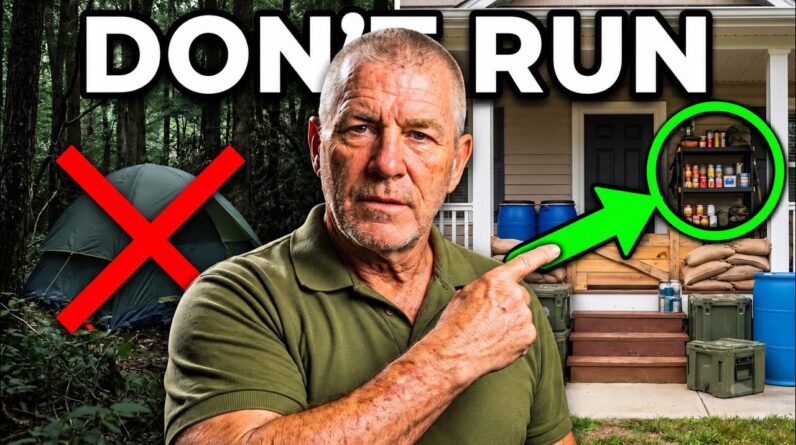
Walk into any hardware store the day before a hurricane and you will see the same items fly off the shelves: bottled water, batteries, flashlights, and first aid kits. These are the survival basics that dominate every preparedness checklist. But the seasoned preppers, the ones who have lived through extended power outages, evacuations, and grid-down events, know that it is the items you forgot to stock that end up mattering most when the pressure is on.
In this guide, we break down five commonly overlooked emergency items that deserve a place in every preparedness kit, drawing on practical advice from the Food Prep Guide channel. From sanitation supplies that prevent disease outbreaks to backup communication devices that keep your family connected when cell towers go dark, each item addresses a real gap that surfaces during actual emergencies, not just the theoretical ones in your planning document.
Whether you are building your first emergency kit or auditing an existing stockpile, these forgotten essentials will help you close the gaps that most checklists miss. Better yet, none of them require a major budget. You can pick up most of these items on your next grocery run.
Key Survival Takeaways
- Sanitation is survival. More people die from sanitation-related illness after disasters than from the disasters themselves. Stock contractor bags, hand sanitizer, wet wipes, and a bucket toilet system for at least two weeks per person.
- Documents are irreplaceable. Keep waterproof copies of IDs, insurance, medical records, and deeds in a fireproof grab-and-go folder with encrypted digital backups on a USB drive stored in a Faraday bag.
- Open your cans manually. A quality stainless steel manual can opener is frustratingly easy to forget and essential when the power is out and your electric stove is dead.
- Phones will fail. A hand-crank NOAA weather radio and rechargeable walkie-talkies keep you informed and connected when cell towers and internet go down.
- Cash is king in a crisis. Store at least one month of expenses in small bills for fuel, supplies, and emergencies when ATMs and card readers are dead.
- Build gradually. Add a few shelf-stable items each grocery trip. Rotate stock and track gaps. Preparedness is a practice, not a one-time purchase.
- Pack morale items. Comfort foods, games, books, and small luxuries sustain mental health during extended emergencies. Mental resilience matters as much as physical preparedness.
The 5 Forgotten Emergency Items You Need in Your Kit
1. Sanitation Supplies
When running water stops, sanitation becomes a survival issue faster than most people expect. Garbage bags, hand sanitizer, toilet paper, wet wipes, and feminine hygiene products are cheap to stock but critical to survival. Disease spreads rapidly in the absence of basic sanitation. Historically, more people die from sanitation-related illness after disasters than from the disasters themselves.
Stock heavy-duty contractor bags, a portable camp toilet or bucket system, and enough hygiene supplies for at least two weeks per person. Contractor bags also serve double duty as emergency waterproofing, ground covers, and waste containment. A simple five-gallon bucket with a seat lid and liner bags creates an instant emergency toilet that costs under twenty dollars.
2. Copies of Critical Documents
Store waterproof copies of identification, insurance policies, medical records, property deeds, and passports in a sealed, fireproof container. During an evacuation you may have minutes to leave. Having these documents ready in a grab-and-go folder saves precious time and prevents bureaucratic nightmares when you need to file insurance claims, prove identity, or access medical care in a new location.
Keep both physical copies and encrypted digital backups on a USB drive stored in a Faraday bag to protect against electromagnetic pulse or solar flare scenarios. Update your digital backups at least once a year and review your physical copies after any major life change such as moving, changing insurance, or updating medical records.
3. Manual Can Opener and Cooking Alternatives
Canned food is useless if you cannot open it. A high-quality manual can opener is one of the most overlooked preparedness items, and one of the most frustrating to be without when you are hungry and the power is out. Keep a stainless steel manual can opener alongside alternative cooking methods like a portable butane stove, rocket stove, or solar cooker.
If your electric stove is out for a week, you need a reliable way to heat food and boil water without grid power. A single-burner butane stove costs under twenty dollars and runs for hours on inexpensive fuel canisters. A rocket stove can be built from scavenged materials and burns small twigs, making it ideal for long-term grid-down scenarios where fuel supplies are limited.
4. Backup Communication Devices
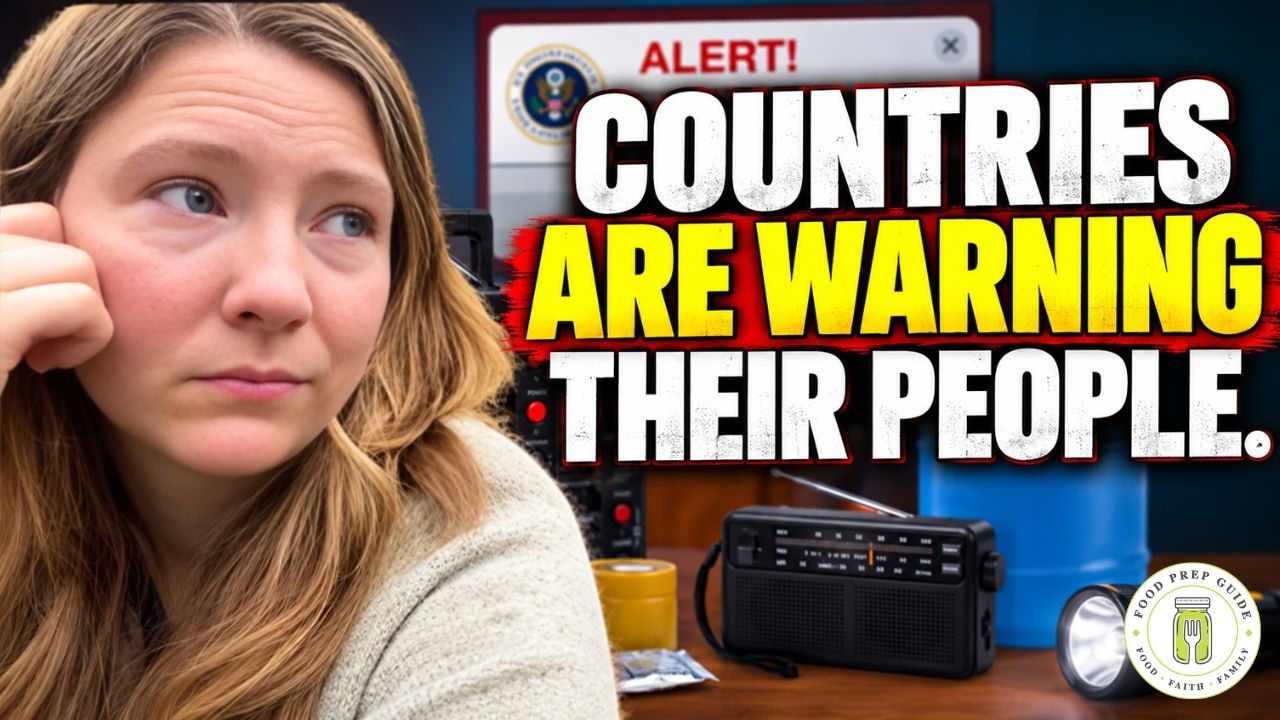
A battery-powered or hand-crank NOAA weather radio keeps you informed when cell towers go down and internet service drops. Look for models that also charge phones via USB, combining information access with emergency power in one device. Walkie-talkies help coordinate with family across short distances when phones fail.
A small AM/FM radio can also pick up emergency broadcasts and news when other information sources are unavailable. Do not rely solely on your smartphone. Store extra batteries for each device and test them quarterly. A communication plan that your family has practiced is just as important as the devices themselves.
5. Cash in Small Denominations
Electronic payment systems fail during power outages. ATMs go dark, credit card readers stop working, and online banking becomes inaccessible. Keep a reserve of small bills for fuel, supplies, and emergency purchases when cards are useless. Store at least one month of expenses in cash, hidden securely in your home.
Small denominations matter because many vendors will not be able to make change during a crisis. A mix of ones, fives, tens, and twenties is more practical than large bills. Keep some cash in your grab-and-go bag as well, since you may need to evacuate quickly and will not have time to retrieve it from its hiding spot.
Bonus: Build Your Food Storage Gradually
Rather than buying a year of food all at once, build your supply gradually by adding a few extra items each grocery trip. This makes preparedness affordable and sustainable for any budget. Focus on shelf-stable foods your family already eats: rice, beans, pasta, canned vegetables, peanut butter, and oats.
Rotate your stock so nothing expires, and track what you have so you know where your gaps are. A simple spreadsheet or notebook listing quantities and expiration dates is sufficient. The goal is not a perfectly stocked bunker but a rotating pantry that you actually use and replenish.
Bonus: Do Not Forget Morale Items
Comfort foods, games, books, playing cards, and small luxuries are often dismissed as non-essential but play a real role in maintaining mental health during extended emergencies. A crisis is stressful enough without the psychological toll of monotony and anxiety. Pack a few morale boosters in your kit: chocolate, a favorite book, a deck of cards, or hard candies.
Mental resilience is just as important as physical preparedness. Studies of disaster survivors consistently show that those who maintain routines, social connections, and small comforts recover faster and cope better during prolonged emergencies.
Gear and Equipment
Building out your forgotten-items checklist does not have to be expensive. Start with these essentials:
- A reliable stainless steel manual can opener so you can access your canned food without electricity.
- A hand crank NOAA weather radio to stay informed during power outages and cell tower failures.
- A set of rechargeable long-range walkie-talkies for family coordination when phones go down.
- Heavy-duty contractor garbage bags for sanitation, waste management, and emergency waterproofing.
- A fireproof waterproof document bag to protect critical records from fire and flood damage.
As an Amazon Associate, we earn from qualifying purchases.
Quick Reference Checklist
- Stock heavy-duty contractor bags, hand sanitizer, wet wipes, and a camp toilet or bucket system
- Copy and waterproof all critical documents in a fireproof, grab-and-go container
- Keep a USB drive with encrypted digital backups stored in a Faraday bag
- Buy a stainless steel manual can opener and keep it with your canned food supply
- Set up an alternative cooking method: portable butane stove, rocket stove, or solar cooker
- Get a hand-crank NOAA weather radio with USB phone charging capability
- Add rechargeable walkie-talkies for family coordination when phones fail
- Store at least one month of expenses in small bills, hidden securely in your home
- Add a few shelf-stable foods each grocery trip and rotate your stock regularly
- Pack morale items: comfort foods, games, books, and small luxuries for mental health
- Keep cash in your grab-and-go bag for quick evacuations
Frequently Asked Questions
How much cash should I keep for emergencies?
At minimum, store one month of your typical expenses in small bills. If you have a larger family or live in a hurricane-prone area, consider keeping two to three months of expenses. The key is having enough for fuel, food, and lodging if you need to evacuate, with small denominations that vendors can actually use during a crisis.
What is a Faraday bag and why do I need one?
A Faraday bag is a shielded container that blocks electromagnetic fields, protecting electronic devices from EMP events or solar flares. Storing a USB drive with your critical document backups in a Faraday bag ensures your digital records survive even if an electromagnetic event damages unprotected electronics.
How often should I rotate my emergency supplies?
Review your entire emergency kit every six months. Check expiration dates on food, medications, and batteries. Rotate water supplies, update documents after any major life change, and test all battery-powered devices. A good practice is to do this review when you change your clocks for daylight saving time, so it becomes a routine.
Conclusion
The items that get you through a crisis are not always the ones you think of first. By closing the gaps in your preparedness kit with sanitation supplies, backup communication, cash, document copies, and a manual can opener, you build resilience that goes beyond the basics. Start small, add a few items each week, and review your kit every six months. Preparedness is a practice, not a one-time purchase, and the items you forgot today could be the ones that save you tomorrow.