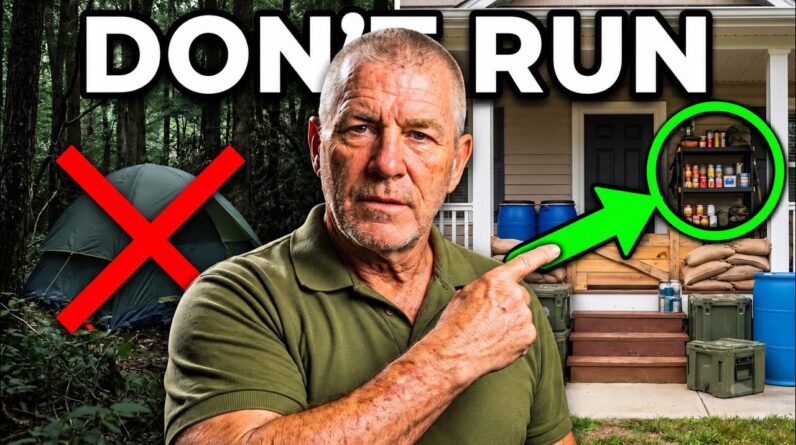
Why These Prepper Switches Matter Before 2030
The world is changing faster than many of us expected, and preparedness-minded people are taking notice. Supply chain disruptions, rising inflation, and growing uncertainty about infrastructure reliability have made it clear that waiting until a crisis hits is not a strategy. In this guide, we break down the essential switches every prepper should consider making before 2030 to stay ahead of the curve. From replacing modern technology with proven low-tech alternatives to stocking up on long-lasting supplies, these practical changes can make the difference between thriving and merely surviving when systems we depend on start to falter.
Whether you are new to prepping or have been building your preparedness plan for years, the actionable advice in this video from She Prepares covers food storage upgrades, self-sufficiency strategies, and the often-overlooked items that could become critical in the years ahead. You will walk away with a clear checklist of what to replace, what to stock, and how to future-proof your household without breaking the bank. The approach is practical and incremental, designed for real families on real budgets.
The key insight is that preparedness is not about predicting a single catastrophic event. It is about building layers of resilience that protect your family across a wide range of disruptions, from a week-long power outage to a months-long supply chain breakdown. Each switch you make reduces your dependency on systems you cannot control and replaces it with skills and resources you can rely on. The preppers who thrive in the coming years will not be the ones with the most gear, but the ones who started earliest and built habits that compound over time.
Key Survival Takeaways
- Replace electric-dependent tools with manual alternatives. Grid reliability is not guaranteed. Hand-cranked devices, manual can openers, and non-electric kitchen tools keep working when the power goes out. Start by identifying every appliance in your home that requires electricity and finding a manual backup for each one.
- Build a deep pantry through consistent incremental shopping. Adding a few extra items to your normal grocery run each week is more sustainable than panic buying. A year of food stored gradually costs far less than a massive emergency shopping spree and avoids the stress of competing for scarce resources.
- Master food preservation without refrigeration. Canning, dehydrating, and fermentation are proven methods that extend shelf life for months or years. These skills reduce dependency on modern appliances and give you control over your food supply long after fresh options are gone.
- Invest in water filtration and storage solutions now. Clean water is the first resource to disappear in a crisis. Having portable filtration systems, stored water containers, and knowledge of local water sources removes one of the most critical variables from your preparedness equation.
- Switch from digital dependency to printed reference materials. Survival guides, medical reference books, and instructional manuals printed on paper never need a charge or internet connection. Build a physical library covering first aid, food preservation, gardening, and basic engineering.
- Prioritize skills over gear. Knowing how to grow, preserve, and prepare your own food is worth more than any single piece of equipment. Invest time in learning practical skills before spending money on tools you may never use.
- Develop a community network for mutual support. No single household can prepare for every scenario alone. Building relationships with neighbors who share your preparedness mindset creates a resource-sharing network that multiplies everyone’s resilience.
Common Mistakes to Avoid When Making Prepper Switches
- Trying to do everything at once. Attempting to switch your entire household overnight leads to burnout and overspending. Pick one category per month, master it, then move on. Sustainable preparedness is a marathon, not a sprint.
- Stockpiling food you do not normally eat. Buying bulk emergency food that your family has never tasted is a recipe for waste and digestive issues during already stressful times. Store what you eat and eat what you store, rotating your supply regularly.
- Neglecting water preparedness. Many preppers focus on food and weapons but forget that humans can only survive three days without water. Make water filtration, storage, and purification knowledge your first priority, not an afterthought.
- Buying gear without learning to use it. A pressure canner sitting in its box, a water filter you have never practiced with, or a fire starter you have never tested are liabilities, not assets. Train with every piece of equipment before you need it for real.
- Ignoring physical fitness and health. Self-sufficiency demands physical labor. Gardening, splitting firewood, and carrying water all require strength and endurance. Invest in your health now so your body can perform when it matters most.
Gear and Equipment for Prepper Switches
Building your prepper toolkit does not have to happen overnight. Start with these essentials that cover the most critical preparedness gaps. A reliable water filtration system should be your first investment, ensuring access to clean water in any scenario. For food preservation, a quality pressure canner lets you stockpile meals that last for years without refrigeration. Replace grid-dependent lighting with a hand-crank emergency radio and flashlight that never needs batteries. A comprehensive survival reference guide puts critical knowledge at your fingertips without needing a screen. Finally, stock up on long shelf life emergency food to build your deep pantry steadily over time.
As an Amazon Associate, we earn from qualifying purchases.
Prepper Switch Quick Reference Checklist
- Audit every electric appliance and identify a manual backup
- Start a deep pantry by adding 2-3 extra items per grocery trip
- Learn one food preservation method: canning, dehydrating, or fermenting
- Invest in a portable water filter and store a minimum of 1 gallon per person per day
- Build a physical reference library: first aid, food preservation, gardening, repair
- Practice one new survival skill monthly (fire starting, knot tying, sewing, etc.)
- Connect with at least two neighbors about shared preparedness goals
- Rotate your food storage every 6 months to keep supplies fresh
- Assemble a manual kitchen kit: hand-crank blender, manual can opener, grain mill
- Commit to a fitness routine that builds functional strength and endurance
Final Thoughts on Preparing Before 2030
Preparing for an uncertain future does not require fear or panic. It requires practical, incremental changes that reduce your dependency on fragile systems and build genuine self-sufficiency. The switches outlined here are not extreme measures but sensible steps any household can take regardless of budget or experience level. Start small, build momentum, and remember that the best time to prepare was yesterday. The second best time is right now.
Every switch you make today is one less thing to worry about tomorrow. Whether it is replacing a single electric tool, adding a few extra cans to your pantry, or learning to pressure-can your first batch of food, these small actions compound into real resilience over time. The families who commit to this process now will face the coming years with confidence rather than anxiety, and that peace of mind is worth every effort.