Why Preparedness Cannot Wait
When the systems we rely on every day start showing cracks, the time to prepare is before they break, not after. In this video from Full Spectrum Survival, we get a raw, honest look at what it means to prepare with genuine urgency. The creator lays out a comprehensive preparedness strategy that goes far beyond stocking extra canned goods. From storing diesel and gasoline to expanding food production, improving soil quality, securing backup power for a well pump, sourcing animal feed, and building local relationships while supplies are still available and affordable, this is prepping stripped of fantasy and grounded in daily, deliberate action.
Whether you are just starting your preparedness journey or refining an existing plan, this breakdown covers the practical steps that separate passive concern from actionable readiness. The core message is simple but sobering: the resources we take for granted, fuel, food, power, and water, may not always be as accessible or affordable as they are right now. You will learn how to approach each of these pillars with a mindset that treats every day of normalcy as a gift rather than a guarantee, and how to build systems that sustain you and your family when the unexpected arrives. Read on for the key survival takeaways and gear recommendations to strengthen your own preparedness pipeline.
Key Survival Takeaways
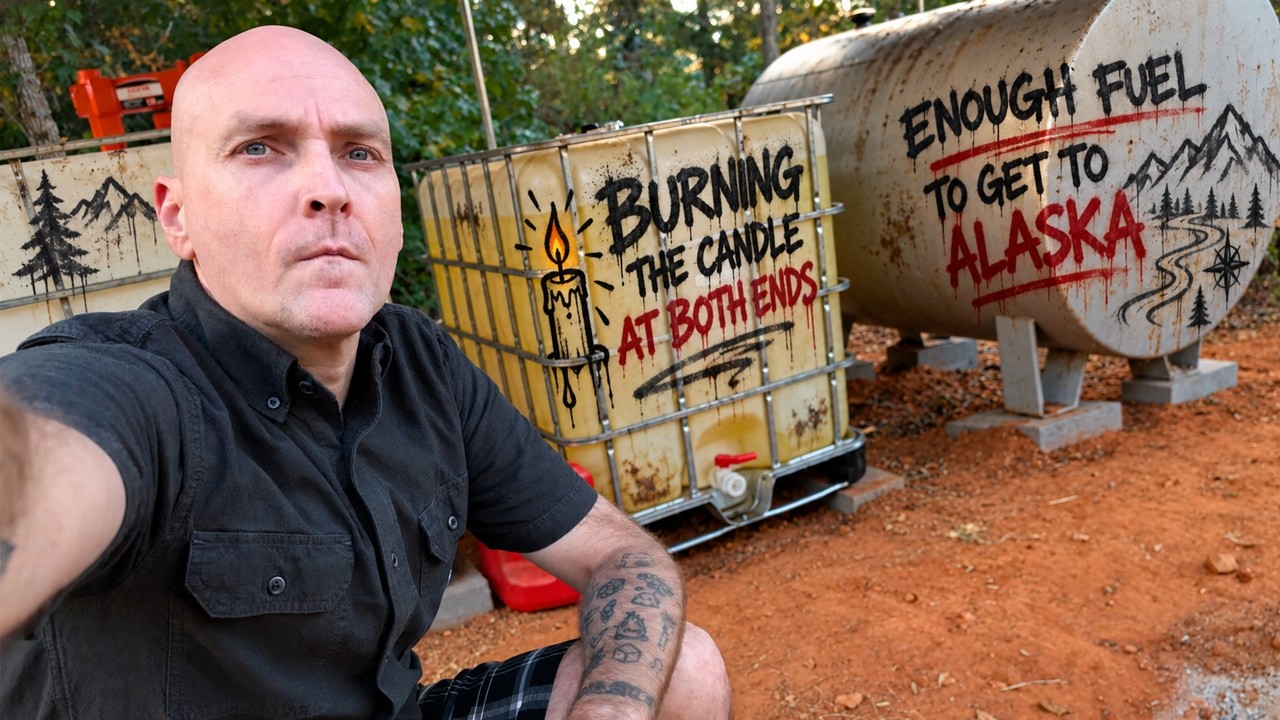
- Fuel storage is non-negotiable. Storing diesel and gasoline while they are available and affordable gives you mobility and power generation options when supply chains tighten. Use proper fuel stabilizers and rotate your supply regularly to prevent degradation over time. Diesel stores longer than gasoline, making it a smart priority for generators and equipment. Keep fuel in approved containers in a cool, ventilated area away from living spaces.
- Food production beats food hoarding. Expanding your own food production through gardening, livestock, or preserved stores creates a renewable resource rather than a finite one. Focus on calories you can grow, not just cans you can stack on a shelf. Start with easy-to-grow staples like potatoes, beans, and squash, and learn preservation methods like canning, dehydrating, and fermenting to extend your harvest through every season.
- Soil improvement pays compound interest. Investing in your soil now means better yields season after season. Composting, cover cropping, and mineral amendment are long-term plays that steadily improve your food security year over year. Healthy soil retains water better, resists pests naturally, and produces more nutrient-dense food. Test your soil and amend it with compost, bone meal, and wood ash to build fertility over time.
- Backup power for water is critical. If you rely on a well pump, a power outage means no water within hours. Securing generator backup or solar power for your well system should be a top priority in any preparedness plan. Calculate your pump wattage and size your backup accordingly. A manual pump or hand-dug well backup adds another layer of water security that does not depend on fuel or batteries.
- Animal feed is a hidden vulnerability. Many preppers store food for themselves but forget their livestock. Sourcing and storing animal feed ensures your protein sources remain viable during extended supply disruptions. Calculate feed needs for at least 90 days and store it properly to prevent mold and pests. Consider growing feed crops like alfalfa or field corn to reduce dependence on commercial supply chains.
- Local relationships are your best resource. Building trust and trade networks with neighbors creates a resilient community that can share skills, tools, and supplies when formal systems falter or fail. The people nearby are the ones who will be there when it matters. Start now by trading surplus produce, sharing tools, and learning what skills your neighbors bring to the table.
- Urgency without panic is the right mindset. Preparing hard while things are still available is not fear, it is prudence. Work with intensity but maintain clarity and focus on practical steps over doomsday speculation. Channel your energy into tangible progress: one more shelf stocked, one more skill learned, one more relationship built. Consistent daily action compounds into real readiness.
Gear and Equipment
Building a solid preparedness foundation requires reliable gear you can count on when it matters most. For fuel storage, a quality Fuel Stabilizer extends the shelf life of your gasoline and diesel reserves so they perform when you need them most. For backup power, a Portable Solar Panel Kit can keep critical devices and communication equipment running when the grid goes down for extended periods. Water security starts with a reliable Gravity Water Filter System for purifying stored or collected water without electricity. For food production, an Heirloom Survival Seed Kit gives you the ability to grow nutrient-dense crops season after season with non-hybrid, non-GMO seeds. And for essential power needs, a Portable Generator provides critical electricity for well pumps, refrigeration, and communication during extended outages. Investing in these fundamentals now, while supply chains are intact and prices are stable, is the smartest move you can make for long-term resilience.
As an Amazon Associate, we earn from qualifying purchases.
Final Thoughts
Preparedness is not about fear, it is about freedom. The ability to feed yourself, power your home, and secure your water supply independent of fragile supply chains is one of the most practical investments you can make. The video from Full Spectrum Survival serves as a powerful reminder that the window for comfortable preparation is open now, but it may not stay open indefinitely. Start with the basics: fuel, food, water, and power. Build relationships with people you trust. Work with urgency but stay grounded in practical action rather than panic. Every step you take today, whether it is rotating fuel stores, planting a garden, or meeting a neighbor, compounds into real resilience tomorrow. The best time to prepare was yesterday. The second best time is right now.