Is Your Bug Out Bag Ready for a Nuclear Scenario?
A standard bug out bag is built for 72 hours on the move. Nuclear fallout demands different gear and a different first decision. Five gaps to close.
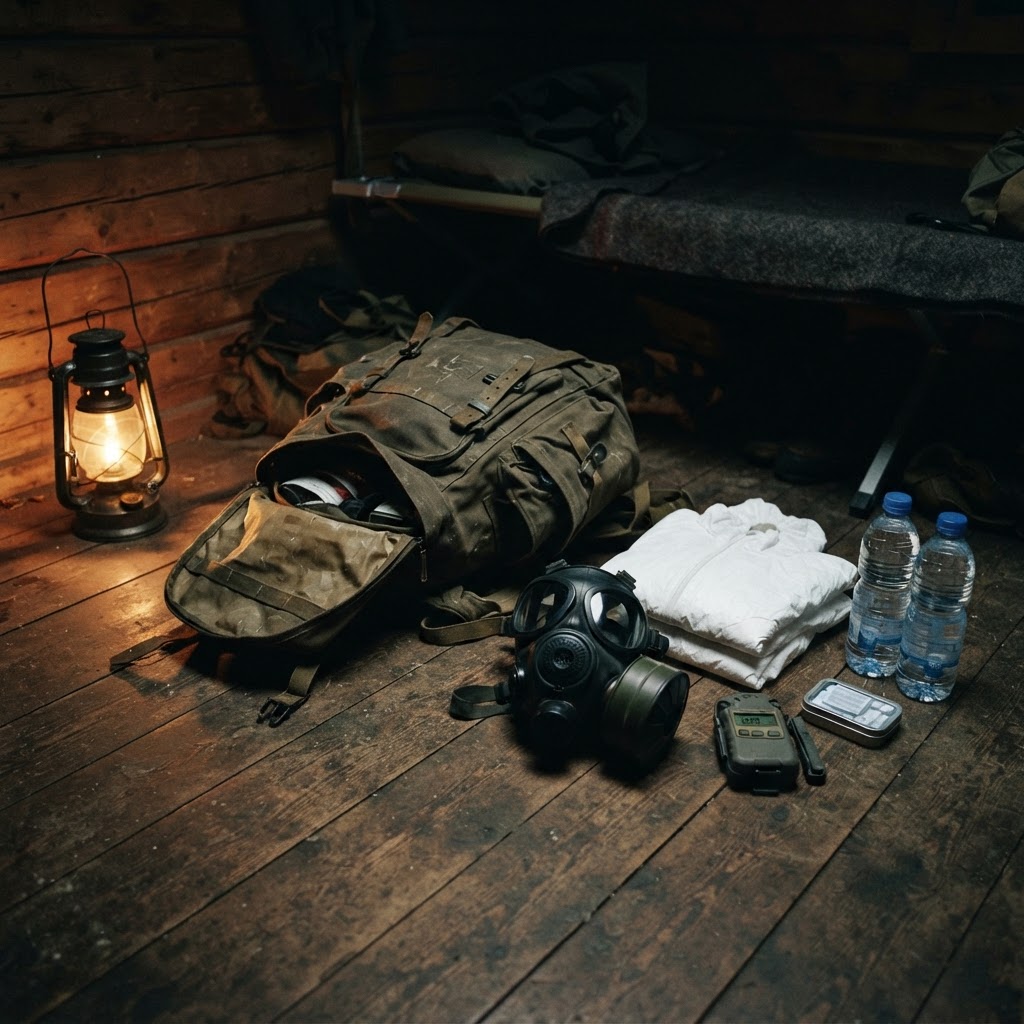
The bug-out bag is built around a promise: 72 hours of self-reliance while you move from danger to safety. That promise covers hurricanes, floods, and fires well. Nuclear fallout breaks it in three places at once - the timeline is longer, the hazard is invisible, and in most scenarios the correct move is the opposite of bugging out.
This is a check, not a teardown. The standard bag is still the right foundation; a nuclear scenario adds five specific gaps and one big decision. Here is how to close them.
First Decision: Should You Bug Out at All?
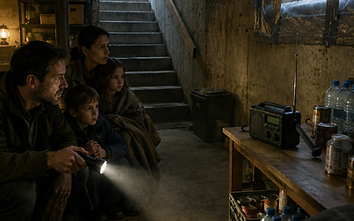
Public guidance for fallout is shelter in place. The danger outside is invisible, the dose you absorb goes up with every minute of exposure, and roads in a plume zone concentrate exactly the dust you are trying to avoid. Bugging out makes sense in two situations: officials call for evacuation of your area, or your location is squarely downwind and you can move out of the plume before fallout arrives. Otherwise, the bag's job for the first 48 hours is to support you behind shelter walls - see our guide to fallout shelter mistakes for that half of the plan.
Gap 1: No Way to Measure the Invisible
The nuclear scenario has one piece of gear no other disaster requires: a radiation survey meter. It answers the only questions that matter - is it safe outside, is this room better than that one, is my decon working. Without a meter you are navigating by rumor; with one, you make every other decision on data. Add a dosimeter card or pen if you want cumulative exposure tracked.
Gap 2: No Radiological PPE
Standard bags carry work gloves and a dust mask. Fallout calls for a CBRN-rated full-face mask, disposable coveralls with hoods, nitrile gloves, and boot covers - the ensemble that keeps dust off skin, eyes, and clothes during any necessary movement. Keep it sealed until the day it is needed, and carry spare filters.
Gap 3: No Decontamination Kit
Whatever you wear outside comes off at the door, and what comes off needs somewhere to go. Pack heavy-duty garbage bags, decon wipes, and a brush. The routine - strip, bag, wipe, enter - takes five minutes and prevents the single most common household exposure: bringing fallout inside on clothing.
Gap 4: Water Assumptions That Fail
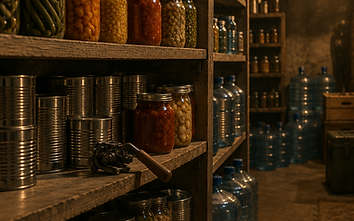
The 72-hour bag carries a filter bottle and assumes streams along the way. In a fallout zone, open water is contaminated water, and a standard filter removes dust but does nothing to dissolved radioactive material. Shift the balance: more sealed, carried water and sealed container storage at your shelter, and treat open sources as off-limits unless you can verify them.
Gap 5: No Medical Layer for Radiological Exposure
The nuclear-specific medical shelf is short: potassium iodide tablets in sealed packaging (taken only when officials announce radioactive iodine exposure), and a serious first-aid kit, because in a fallout scenario the nearest emergency room may not be an option. The potassium iodide guide covers who should take it, who should not, and the timing that makes it matter.
Packing Notes
Radiological additions weigh little compared to water and food, but check the total: a bag you cannot carry three miles is a bag you will abandon. Store the nuclear layer in one internal pouch so it can move to a vehicle kit or a shelter cache without repacking. Date the filters, date the KI, and rotate both on the same schedule.
Key Survival Takeaways
- Shelter is the default, bugging out is the exception. Evacuate on official call or to escape a plume - not on reflex.
- A survey meter is the one tool no other disaster needs. It turns guesswork into decisions.
- PPE is an ensemble. Mask plus coveralls plus gloves, sealed until needed.
- Decon at the door. Bags, wipes, and a strip-bag-wipe routine protect everyone inside.
- Sealed water beats filtered water. In fallout, open sources are off-limits.
Related Gear and Emergency Supplies
These are the additions that turn a general-purpose bug-out bag into a nuclear-capable one, all in one internal pouch.
- Radiation Survey Meter - the decision-maker for every move you make
- CBRN-Rated Full-Face Gas Mask - with sealed spare filters
- Disposable Coveralls with Hood - strip and bag after exposure
- Potassium Iodide Tablets - sealed, dated, taken only on official instruction
- Heavy-Duty Garbage Bags - decon containment that weighs nothing
Disclosure: As an Amazon Associate, Survival Video Hacks earns from qualifying purchases made through the links on this page. We link to categories we judge relevant to the scenario, not the most expensive items.
Preparedness Partner Picks: EMP & Bug-Out Kits
Disclosure: As an affiliate, we may earn commissions from qualifying purchases through partner links on this page.
Frequently Asked Questions
Does a regular N95 work against fallout?
Partially. It traps dust, which is what fallout physically is, but it does not seal your eyes, protects no skin, and offers no rated assurance. For a planned movement through contamination, use rated PPE; an N95 is a last-resort improvement over nothing.
Should my bug-out route change for nuclear scenarios?
Yes. Pick routes away from likely target zones and major highways, with substantial buildings available for emergency shelter along the way. Know where you are going before you decide to go.
How much water should I actually carry?
One gallon per person per day is the planning figure, and the nuclear reality pushes you toward sealed carried water rather than filtered open water. Balance carried weight against the sealed cache at your shelter.
Is the nuclear layer worth the weight if a nuke is unlikely?
The meter and mask have non-nuclear uses too - industrial accidents, fires, and poor air all argue for them - and the rest of the layer weighs a few pounds. It is the cheapest insurance in the bag.
The Bottom Line
Close the five gaps, decide now when you would bug out versus shelter, and keep the nuclear layer sealed and dated. Then run your whole kit through the bug-out bag builder quiz - it scores your bag against this exact scenario and tells you what to add next.
Get the next breakdown
New video articles, gear notes from the field and tool updates — one email a week.
No spam. Unsubscribe any time. We never sell subscriber data.