Surviving 72 Hours in a Brutal Winter Snowstorm
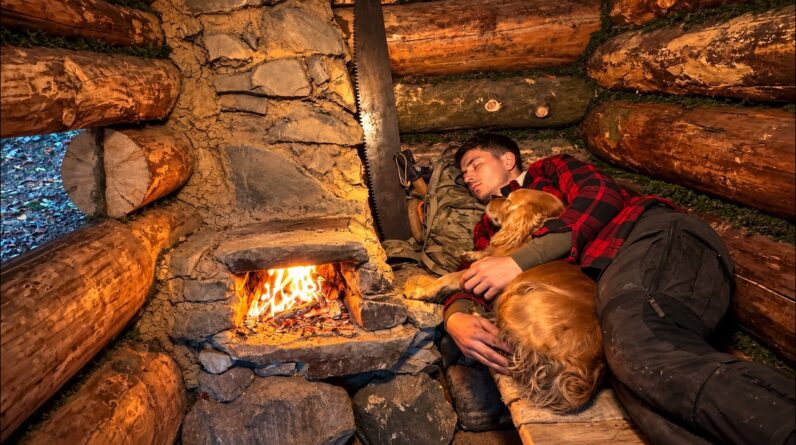
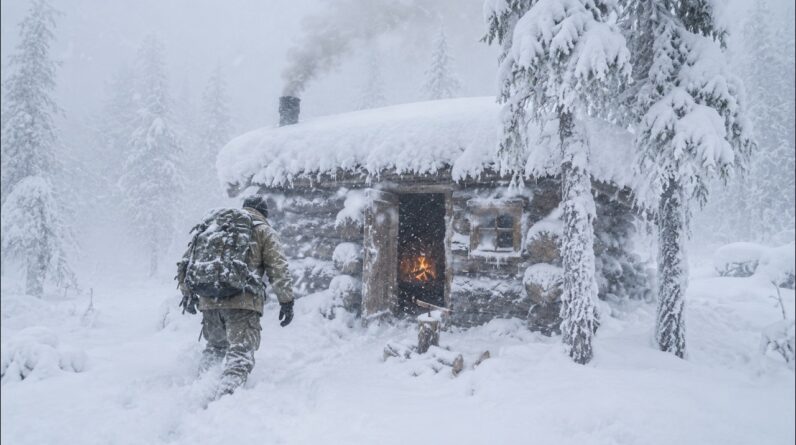
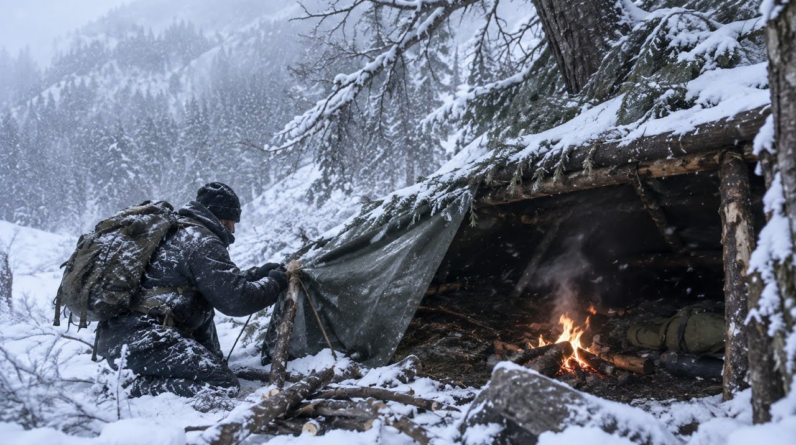
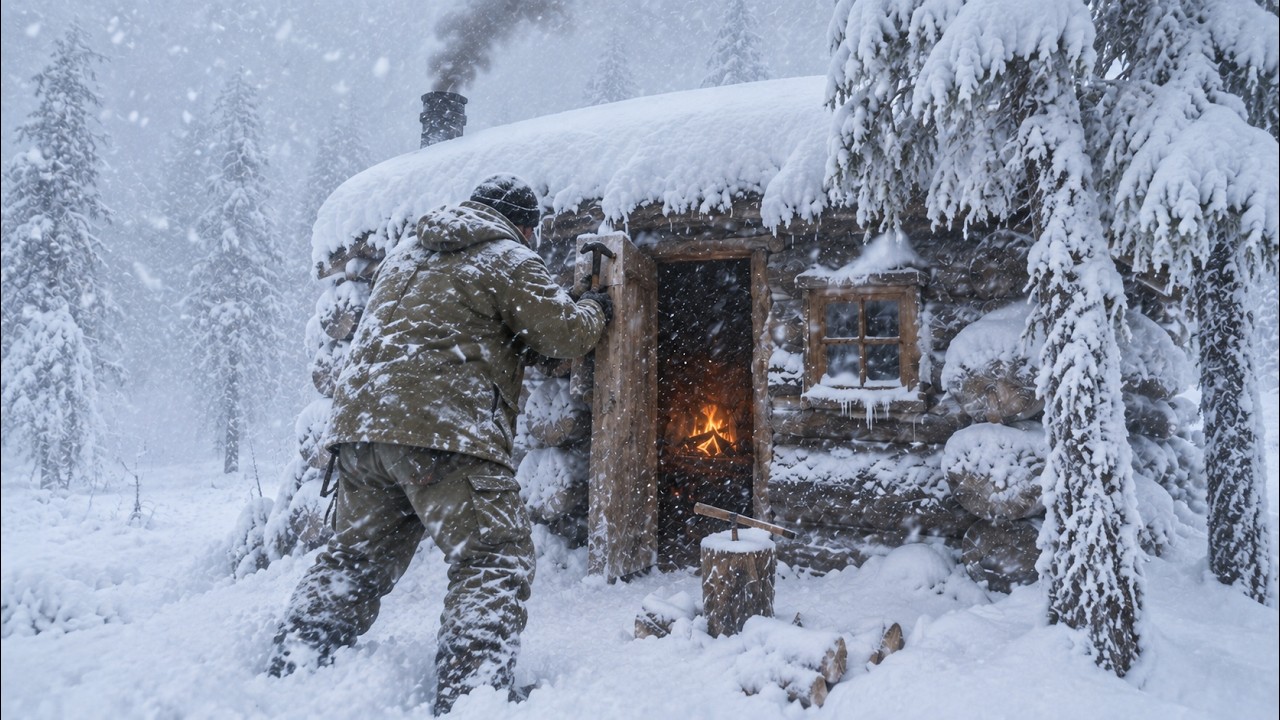
When a howling snowstorm descends with little warning, your survival depends on three things: shelter, fire, and the ability to think clearly under extreme pressure. In this remarkable video, a seasoned bushcrafter endures 72 hours of brutal winter conditions in a tiny log cabin built from scratch in the wilderness. From harvesting dry timber in freezing temperatures to stoking a life-saving wood fire through gale-force winds, this is a masterclass in real-world winter survival that goes far beyond theory.
What makes this challenge so valuable is that it tests every core survival skill at once. You will learn how to select the right location for a winter shelter, identify and harvest dead-standing timber that burns clean even in wet conditions, construct a compact cabin that traps body heat, melt snow safely for hydration without depleting your energy, and manage fire through the night when temperatures plummet well below freezing. Whether you are a weekend winter camper or a serious prepper planning for worst-case scenarios, the techniques demonstrated here could mean the difference between life and death when the next blizzard hits.
Beyond the physical skills, this video highlights the mental side of winter survival. Spending three full days in freezing isolation tests your patience, your problem-solving under exhaustion, and your will to keep going when the fire needs stoking at 3 AM. The builder’s calm, methodical approach is itself a survival lesson: panic kills faster than cold, and a steady mindset is your most important piece of gear.
Key Survival Takeaways
- Shelter First, Always: When a storm hits, building or finding shelter takes priority over everything else. A small, enclosed space retains body heat far better than an open tarp or lean-to. The builder chose a compact footprint that allowed body heat and fire warmth to accumulate quickly inside the cabin.
- Dead-Standing Timber Is Your Best Fuel Source: Living trees hold moisture and produce smoky, low-heat fires. Dead-standing trees with branches still attached have dried out naturally and burn hot and clean. Learning to identify them by bark condition and branch breakage patterns is a critical winter survival skill.
- Snow Melting Requires Patience and Fuel: Melting snow for drinking water sounds simple, but it consumes significant firewood. Always pack snow loosely into your container and add a small amount of liquid water to start the melting process. Never eat snow directly, as your body expends precious calories warming it.
- Insulate the Floor Against Cold Ground: Heat loss through the ground can be more dangerous than cold air. The builder layered branches, bark, and debris on the cabin floor to create a barrier between body and frozen earth. Even a simple raised bed of boughs dramatically improves comfort and survival odds.
- Ventilation Is Non-Negotiable: A sealed cabin with a fire inside can become a carbon monoxide trap. The builder maintained a small gap near the roof for exhaust and kept the door slightly drafty. In survival situations, proper airflow is just as important as warmth.
- Fire Maintenance Through the Night: A fire that dies at 3 AM can leave you hypothermic by dawn. The builder used the log-cabin fire lay technique, stacking fuel wood in a grid pattern that burns slowly and steadily, ensuring coals survive until morning.
- Pacing Your Energy Output: In extreme cold, every movement burns calories you cannot easily replace. The builder worked in short, focused bursts and rested near the fire, conserving energy for the tasks that mattered most.
Gear and Equipment
The right gear makes winter survival manageable instead of miserable. A reliable ferrocerium rod fire starter is essential for igniting fires in wet and freezing conditions when matches and lighters fail. For shelter building, a quality bushcraft hatchet allows you to fell small trees, split kindling, and shape logs efficiently. A durable sub-zero rated sleeping bag provides critical insulation when temperatures plunge, while a stainless steel camping kettle for snow melting lets you safely boil snow for drinking water. Finally, a rugged pair of insulated winter gloves protects your hands from frostbite during timber harvesting and fire tending, which are the two activities that will occupy most of your time.
As an Amazon Associate, we earn from qualifying purchases.
Final Thoughts
This 72-hour winter survival challenge proves that preparation and bushcraft knowledge are your best tools against nature’s harshest conditions. A small, well-built log cabin can retain enough heat to keep you alive through a blizzard, but only if you understand fire management, insulation, and energy conservation. Start practicing these skills on day hikes and overnight trips before you ever need them in an emergency. Invest in quality gear, learn to identify dead-standing timber in your local forests, and always respect the power of winter weather. The life you save may be your own.