Introduction
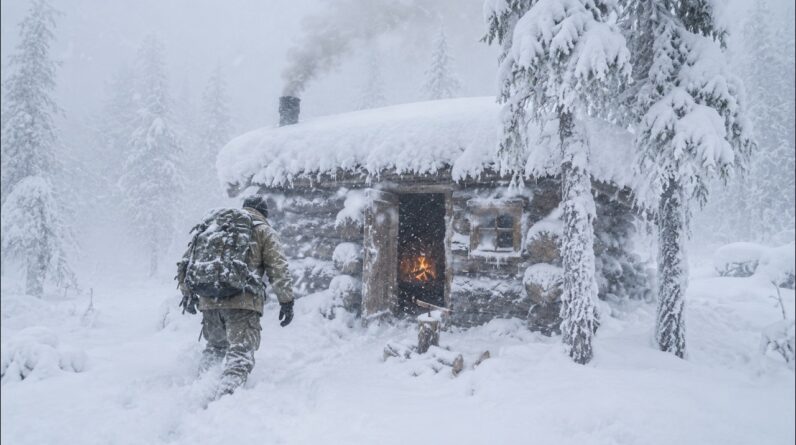
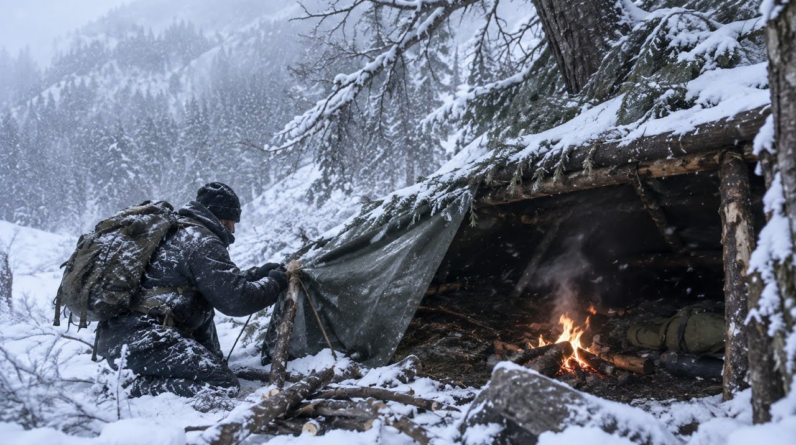
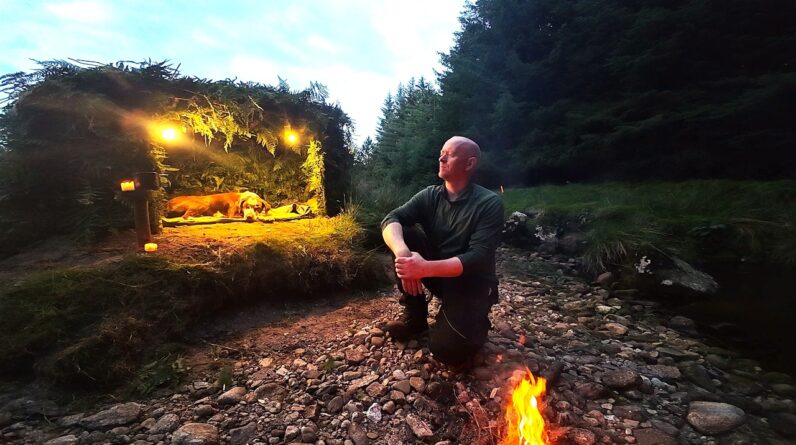
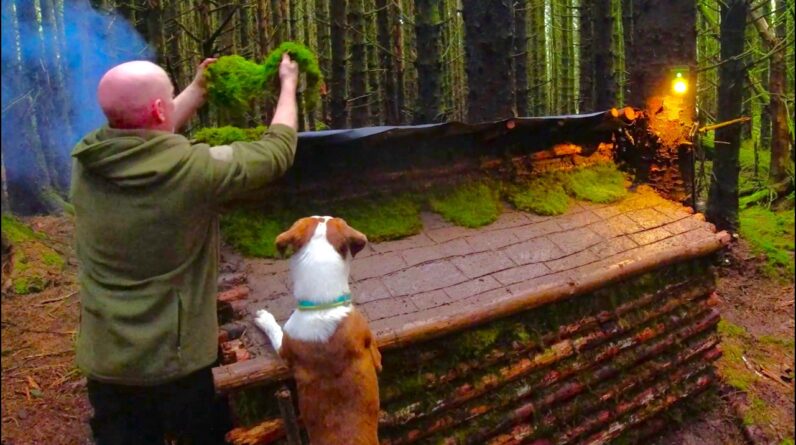
Building a warm shelter from raw timber is one of the most fundamental and rewarding skills in bushcraft. In this video, a seasoned outdoorsman constructs a complete log cabin deep in the forest using nothing more than simple hand tools and traditional techniques passed down through generations. From selecting and felling massive logs to notching, stacking, and weatherproofing the walls, every step is demonstrated in real wilderness conditions. The builder works with his dog at his side, highlighting the companionship and practical role a dog can play in a wilderness setting. The result is a sturdy, insulated shelter that stands up to the elements and provides genuine long-term protection.
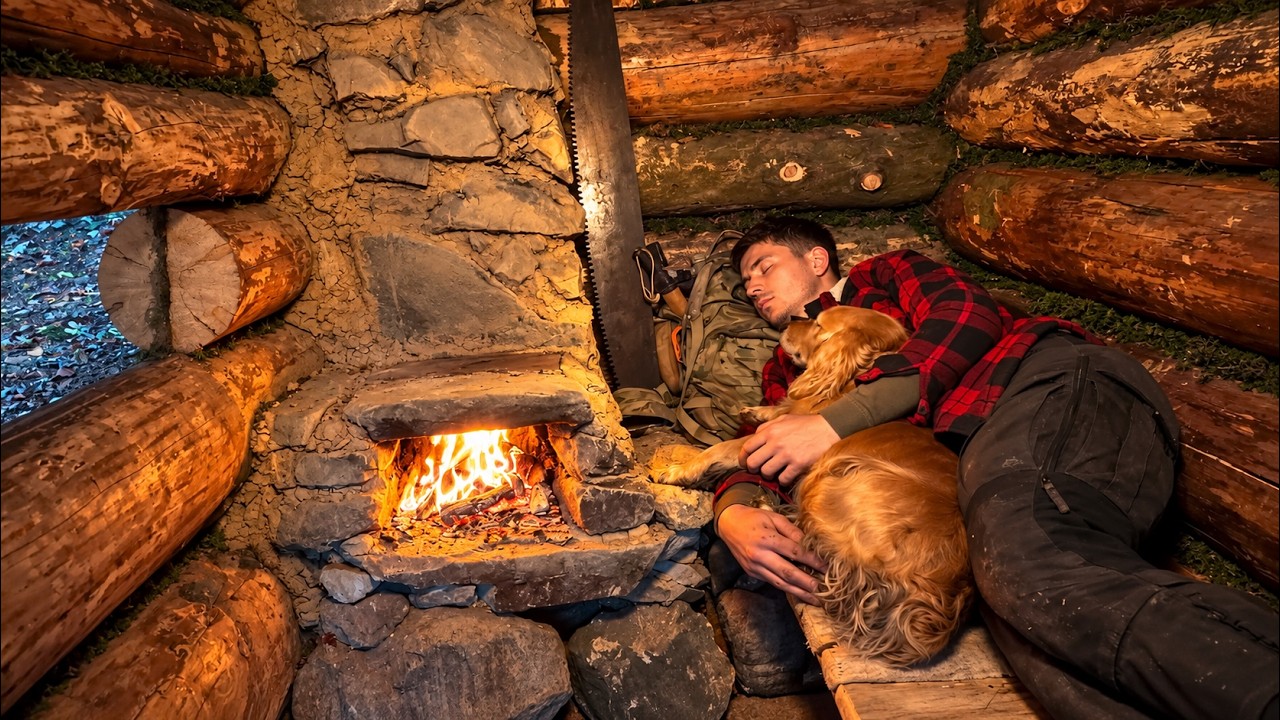
Beyond the cabin walls, the builder constructs a functional stone stove from gathered rocks for heating and cooking, prepares a raised sleeping platform to stay off the cold ground, and spends a full night inside with his dog to prove the shelter works under real conditions. Whether you are a weekend bushcrafter honing your skills or planning an extended wilderness stay, the methods shown here are exactly what you need to build a reliable, long-term forest shelter that keeps you warm and dry when it matters most.
Step-by-Step: Building the Log Cabin
The construction process begins with selecting the right trees. Straight, thick logs with minimal taper form the backbone of the cabin walls, providing both structural integrity and natural insulation. The builder fells each tree using a hand axe, a method that requires patience and precision but leaves you completely self-reliant in the forest. Once the logs are down, they are debarked and cut to length.
The walls go up one log at a time, with each log notched at the joints where it meets the perpendicular log. This saddle-notching technique locks the logs together securely and prevents the walls from shifting under their own weight. As the walls rise, gaps between the logs are filled with natural materials like moss, mud, or clay through a process called chinking. This step is what transforms a pile of logs into a weatherproof, wind-resistant shelter that can retain heat through the coldest nights.
The Stone Stove: Heating and Cooking
One of the most impressive elements of this build is the stone stove, constructed entirely from rocks gathered in the surrounding forest. The builder carefully stacks stones to create a fire chamber with a natural draft that draws smoke out while radiating heat inward. The stove serves double duty: it warms the cabin interior during the overnight stay and provides a cooking surface for preparing food. No metal, no modern components — just thermal mass and good design working together to keep the space livable. The builder also demonstrates how to manage the fire safely inside an enclosed log structure, a skill that requires careful attention to ventilation and fire placement to avoid both smoke inhalation and the risk of igniting the wooden walls around the stove.
Key Survival Takeaways
- Log Selection and Felling: Choose straight, thick logs with minimal taper for wall courses. Identifying and harvesting the right timber is the foundation of any durable shelter build.
- Saddle Notching: Proper notching at each log joint locks the walls together and prevents gaps that let wind and rain through. This interlocking method is what separates a weatherproof cabin from a drafty pile of logs.
- Stone Stove Construction: A stove built from gathered stones provides heat and a cooking surface without modern equipment. Strategic stone placement and natural draft design maximize heat output while channeling smoke safely outside.
- Elevated Sleeping Platform: Raising your bed off the ground on a log frame insulates your body from cold earth and prevents heat loss through conduction. This is essential for preventing hypothermia during overnight stays.
- Chinking for Weatherproofing: Filling gaps between logs with moss, mud, or clay blocks drafts and dramatically improves the cabin’s ability to retain heat. Never skip this step.
- Overnight Testing: Spending a night in your shelter is the only way to confirm it works. The builder’s overnight stay with his dog proves the cabin retains heat and provides genuine protection from the elements.
Gear and Equipment
Building a log cabin shelter requires reliable tools that can handle heavy work in the field. Here are the essentials for traditional bushcraft shelter construction:
- A quality bushcraft hand axe is your primary tool for felling, limbing, and notching logs.
- For splitting larger timber, a forestry felling axe provides the striking power you need.
- A compact folding bushcraft saw handles precise cuts and is easy to carry on any trip.
- For the stone stove, a ferrocerium fire starter ensures reliable ignition in all weather conditions.
- A wool blanket for cold weather adds critical warmth on your sleeping platform overnight.
As an Amazon Associate, we earn from qualifying purchases.
Conclusion
Building a log cabin from massive logs is one of the most rewarding bushcraft projects you can undertake. It combines traditional woodworking skills with practical survival knowledge to create a shelter that keeps you warm and dry for days or even weeks at a time. Practice these techniques before you need them, always carry the right tools, and test any shelter overnight before relying on it. A well-built cabin is more than a shelter — it is a home in the wilderness.