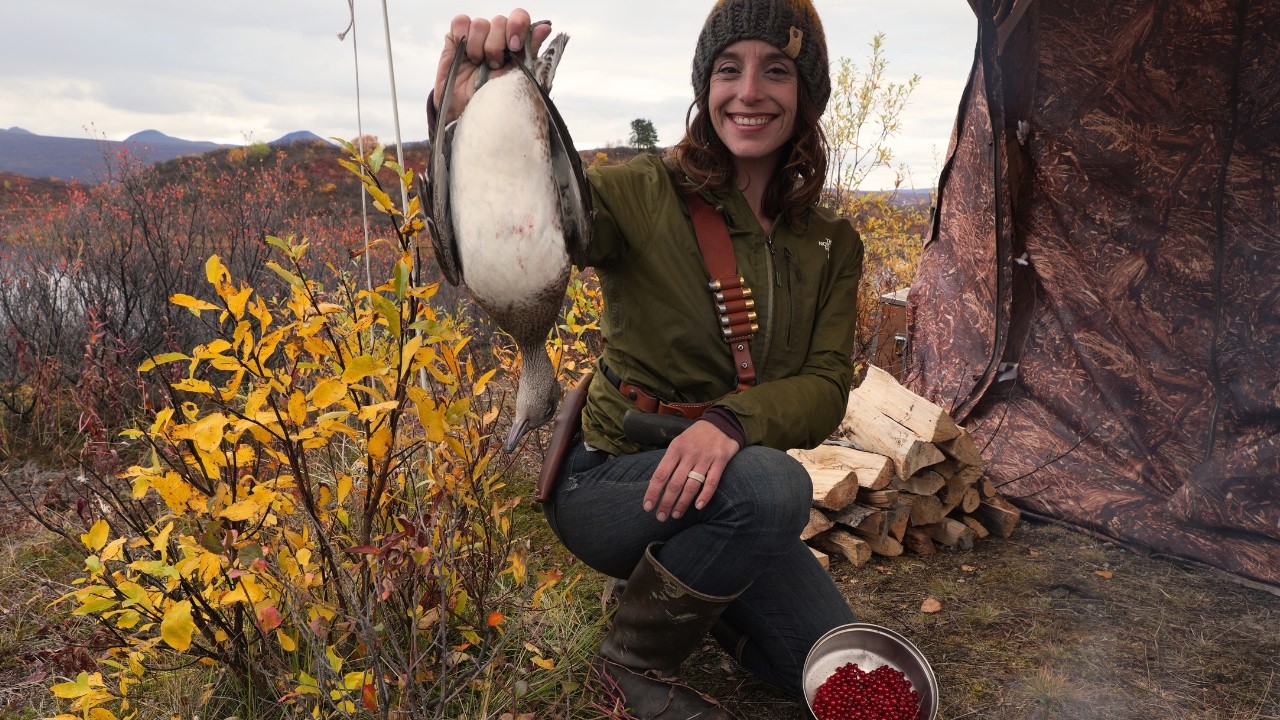
For anyone who dreams of trading the modern world for a life deep in the wilderness, few experiences rival a remote Alaska moose camp. In this video, the Holdfast Alaska team takes us inside their extended hunting expedition, where they set up a hot tent along a wild river system and pursue moose, caribou, and other game across miles of untouched country. The footage captures everything from a grizzly bear encounter to wolves howling through the night, offering a raw look at what it takes to live off the land in one of the most unforgiving environments on Earth.
Beyond the hunting itself, this video is a masterclass in extended wilderness survival. You will see how a hot tent transforms a remote camp into a livable base, how a canoe opens up miles of river for both travel and scouting, and how constant vigilance around predators like grizzlies and wolves is simply part of the daily routine. Whether you are planning your own backcountry expedition or just want to understand what real self-reliance looks like when the nearest road is days away, there are practical lessons throughout every minute of this journey.
From expedition planning and field meat processing to predator defense and team dynamics, the skills on display here go far beyond hunting. They represent a complete system of wilderness living that anyone venturing into remote backcountry should study carefully. The Holdfast Alaska team does not just survive in this environment, they thrive in it, and that is the distinction that separates experienced backcountry hands from those who are merely visiting. Let us break down the key survival lessons from this extended Alaska adventure.
Key Survival Takeaways
- Hot Tent Camping in Remote Areas: A canvas hot tent with a wood stove is the backbone of a livable cold-weather base camp. In remote Alaska, temperatures can drop fast and weather can shift in minutes. The hot tent setup shown in this video demonstrates how a simple shelter with a stove can keep you warm, dry, and functional for days or weeks at a time, even when the conditions outside are brutal. This is not a luxury but a necessity for extended wilderness stays in cold climates.
- Canoe Travel for Wilderness Access: Using a canoe to navigate river systems opens up vast stretches of remote country that would be nearly impossible to reach on foot. It also allows you to transport gear, harvested game, and supplies efficiently over long distances. In this video, Dennis and Jamie paddle miles of river to reach the country where they harvested a grizzly, proving that waterways are the highways of the backcountry. A canoe multiplies your range and carrying capacity in ways no other transport method can match in wild terrain.
- Predator Awareness and Camp Safety: Operating in grizzly and wolf territory demands constant situational awareness. The team’s experience with a charging sow underscores the importance of maintaining a clean camp, carrying bear defense, and knowing how to react during close encounters. In Alaska, predators are not an occasional concern but a daily reality that shapes every decision about camp placement, food storage, and movement. Bear spray and a clear plan for encounters are non-negotiable safety gear.
- Extended Expedition Planning: Successful remote hunting trips require careful planning around weather windows, food supplies, fuel for the stove, and contingencies for equipment failure. Maximizing hunting days within a season means using every weather break strategically. The team still had time left in their unit and used every single day available, which highlights the importance of building flexibility into your expedition timeline. Plan for delays, pack extra supplies, and always have a backup plan for extraction.
- Field Meat Processing and Preservation: Harvesting large game like moose in the backcountry means you need a plan for breaking down, packing, and preserving meat before it spoils. Temperature management, speed of processing, and keeping the meat clean and protected from predators are all critical. The mention of filling the freezer is a reminder that the work does not end with the harvest but extends through the entire process of getting meat from the field to storage. Know your processing workflow before you need it.
- Adapting to Wildlife as Neighbors: Wolves singing at night and bears moving through camp are reminders that in true wilderness, you are the visitor. Learning to coexist with predators while maintaining safety protocols is a core skill for remote living. This means understanding animal behavior, recognizing warning signs, and having a plan for encounters that does not rely on panic. The team’s calm response to a charging bear is exactly the mindset required for extended stays in predator country.
- Building a Reliable Team: Extended wilderness expeditions are rarely solo endeavors. The partnership between Dennis and Jamie, along with the support of neighbors, demonstrates the value of having trusted companions who can share the workload, provide backup in dangerous situations, and bring complementary skills to the camp. In remote Alaska, your team can be the difference between success and a life-threatening situation. Choose your partners carefully and train together before the expedition.
- River Systems as Lifelines: Beyond transportation, rivers provide water, food via fishing, navigation landmarks, and natural travel corridors that concentrate game. Understanding how to read and use river systems is a fundamental skill for anyone operating in remote wilderness. The Holdfast Alaska team’s reliance on their river system shows how waterways shape the entire logistics of a backcountry expedition.
Why This Matters for Modern Survivalists
What makes this video so valuable is that it shows a complete survival system in action, not isolated skills practiced in a backyard. Every decision the team makes, from where to pitch the tent to how they store their food at night, is informed by hard-won experience in one of the most demanding environments on the planet. That is the kind of integrated knowledge that separates theoretical survival from real-world capability.
For modern survivalists, the lessons translate directly to expedition planning in any remote environment. Whether your trip takes you into the Alaskan bush or the mountains of the lower 48, the fundamentals are the same: have a shelter system that works in extreme cold, know how to process game in the field, maintain predator awareness, build a team you can rely on, and plan for the unexpected. The scale changes, but the principles do not.
Gear and Equipment
Extended wilderness hunting and camping in remote Alaska demands reliable gear that can handle extreme conditions. A quality canvas hot tent with wood stove is the cornerstone of a comfortable cold-weather base camp, providing warmth and shelter for days on end. For navigating rivers and transporting gear across remote waterways, a durable wilderness expedition canoe is indispensable. Predator country requires reliable protection, so always carry bear spray for grizzly defense and consider a sub-zero rated cold weather sleeping bag for those frigid Alaska nights. For processing harvested game in the field, a quality set of hunting knives and meat processing tools ensures you can break down large animals efficiently before spoilage sets in.
As an Amazon Associate, we earn from qualifying purchases.
Conclusion
Living off the land in remote Alaska is as much about preparation and respect for the wilderness as it is about hunting skill. From hot tent camps to canoe travel and predator safety, every decision in the backcountry carries real weight. This video is a powerful reminder that true self-reliance is built on practical knowledge, the right gear, and the ability to adapt when conditions change without warning. Take these lessons to heart, build your kit carefully, and start planning your own wilderness adventure with confidence. The wilderness does not care about your intentions, only your preparation.