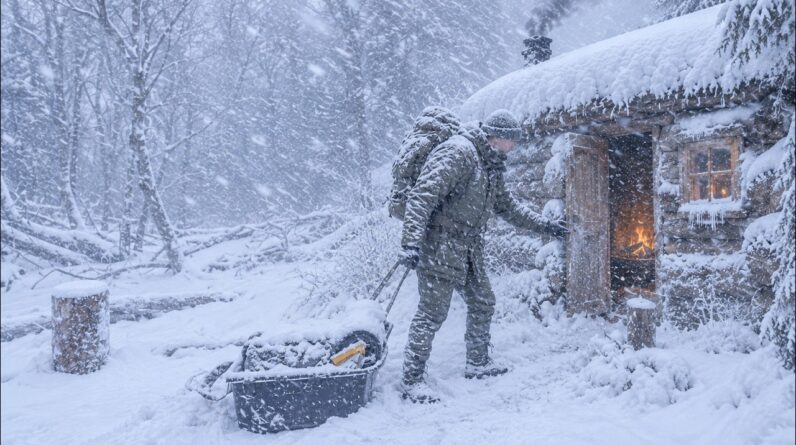
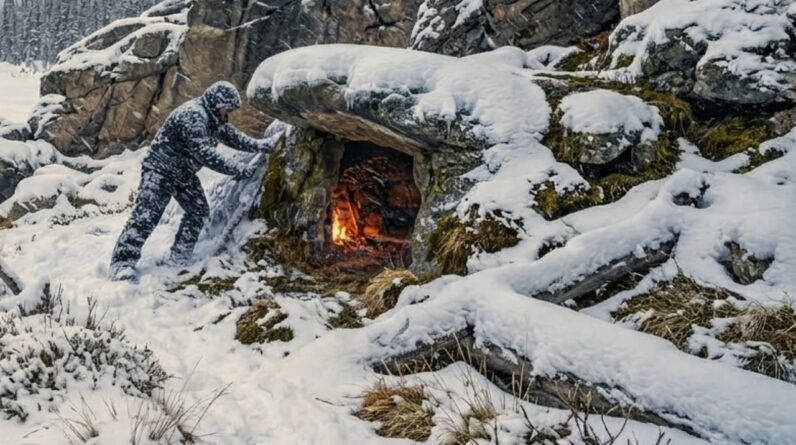
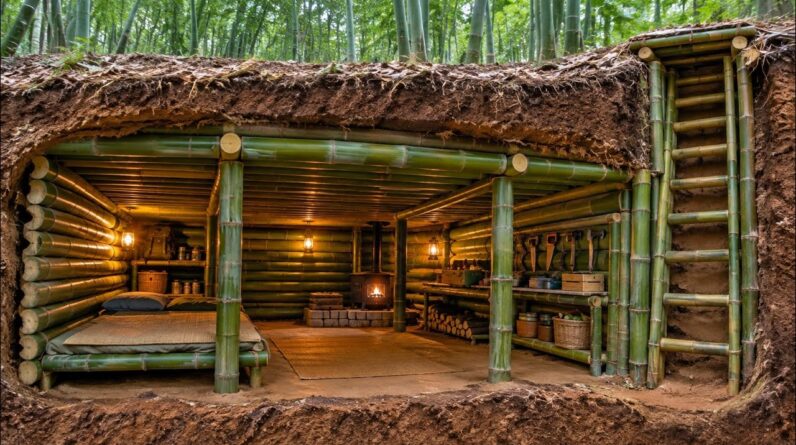
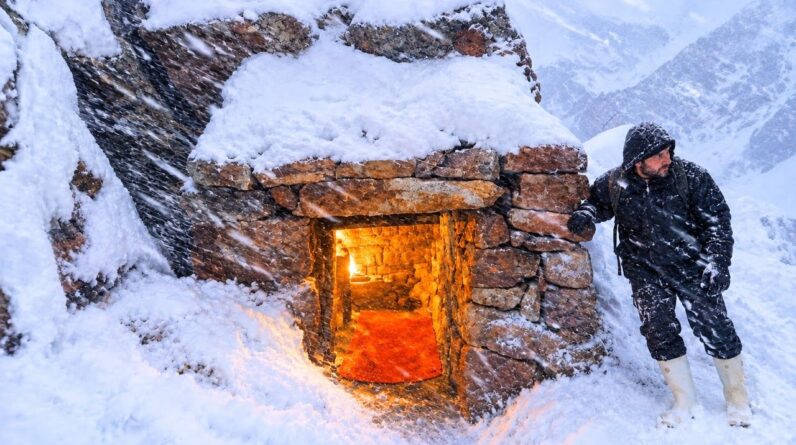
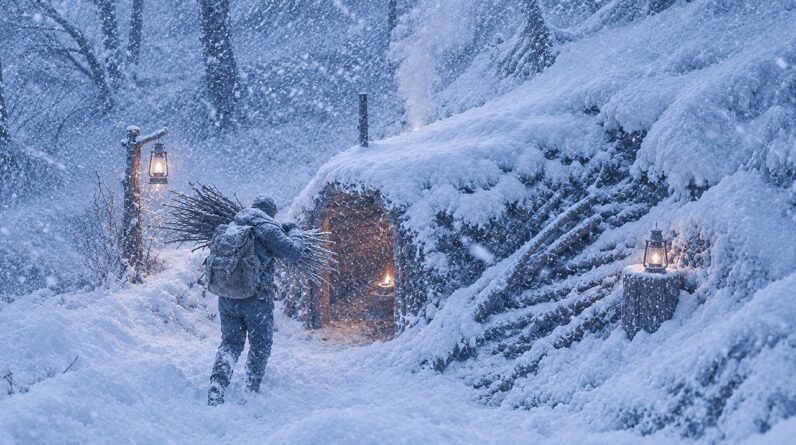
When a deadly snowstorm hits the wilderness, your survival depends on finding adequate shelter fast. In this gripping video, a lone survivalist takes refuge in an abandoned cabin deep in the backcountry and battles freezing temperatures, heavy snowfall, and the constant threat of hypothermia. Watching how someone handles extreme cold with limited resources is one of the most valuable learning experiences for any outdoor enthusiast.
This article breaks down the critical winter survival techniques demonstrated in the video, from securing and insulating an abandoned shelter to maintaining a fire in sub-zero conditions, cooking outdoors during a blizzard, and managing your body temperature when the mercury plummets. Whether you are a winter camper, a prepper planning for grid-down scenarios, or someone who spends time in remote backcountry areas, these cold-weather survival skills could save your life.
Key Survival Takeaways
- Shelter assessment is your first priority. When you find an abandoned structure, check for structural integrity, roof load capacity (snow accumulation can cause collapse), and wind exposure. A cabin that looks solid may have compromised joists or a roof that cannot handle two feet of wet snow. Always inspect before committing to a shelter.
- Seal gaps and drafts immediately. Even small cracks around doors and windows can drop the interior temperature by 15 to 20 degrees. Use available materials — moss, cloth, snow packed against the exterior walls, or debris stuffed into gaps — to create an insulating barrier. Heat retention is the difference between survival and hypothermia.
- A wood stove is your lifeline. If the cabin has a stove or fireplace, get it operational before doing anything else. Split dry wood, gather tinder and kindling, and build a sustained fire. Never use green or wet wood if dry is available — it produces minimal heat and excessive smoke. A hot stove also dries wet gear and provides a cooking surface.
- Manage your body temperature in layers. Sweat is your enemy in extreme cold. A damp base layer will chill you rapidly once activity stops. Strip layers while working to avoid perspiration, then add them back when stationary. Wool and synthetic materials retain warmth even when damp — cotton does not.
- Plan your water supply. Snow is not automatically safe to drink. Melt it first, then bring it to a rolling boil. Eating snow directly lowers your core temperature and burns valuable calories. Collect clean snow from elevated surfaces away from animal tracks and human activity.
- Cook hot meals whenever possible. Hot food raises your core temperature and boosts morale. A simple pot of boiled water with dried grains or foraged ingredients provides calories and warmth. A hot meal at the end of a brutal day in the cold is one of the most underrated survival psychological tools.
- Stay put during the storm. Traveling in a whiteout is how people die. Once you have shelter and heat, stay put until the storm passes and visibility returns. Use the downtime to improve your shelter, dry gear, and conserve energy.
Gear & Equipment
Surviving extreme winter conditions requires reliable cold-weather gear. These are the essential items that would make a critical difference in a snowstorm survival scenario:
As an Amazon Associate, we earn from qualifying purchases.
Final Thoughts
Surviving a deadly snowstorm in an abandoned cabin is a test of preparation, resourcefulness, and mental endurance. The survivalist in this video demonstrates that the fundamentals — shelter security, heat generation, layer management, and hydration — are what keep you alive when conditions turn lethal. Practice these skills before you need them, carry the right gear, and never underestimate the danger of extreme cold. The wilderness does not give second chances in winter.