Off-grid preparedness is built through ordinary maintenance: keeping shelter dry, protecting food-growing space, and maintaining the tools that make repairs possible. This renovation project offers a grounded look at the work behind a resilient rural home.
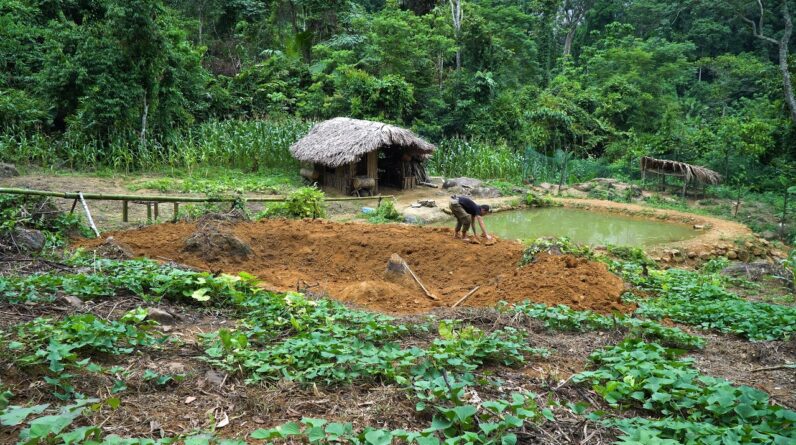
As Maya Feliz repairs an old stone house corner and tends a summer garden, the lesson is clear: structural maintenance and food resilience reinforce each other. A stable shelter, healthy soil, and practical hand skills become especially valuable when money, power, transport, or outside help are unavailable.
Key Survival Takeaways
- Repair shelter problems early. Inspect walls, roofs, drainage, and moisture damage before minor defects become dangerous failures.
- Respect traditional materials. Stone offers durability and thermal mass, but repairs still require sound structure, proper drainage, and careful workmanship.
- Plan heavy work around heat. Work during cooler hours, carry water, use shade, wear protective gear, and stop before fatigue creates an accident.
- Use mulch to protect soil. A clean organic layer can reduce evaporation, moderate soil temperature, and suppress weeds; keep it away from plant stems.
- Build food skills before you need them. Gardening adds fresh food and knowledge, but it should complement stored supplies, water planning, and preservation.
- Make maintenance repeatable. A seasonal inspection list, spare repair materials, and maintained hand tools create more resilience than one dramatic project.
Recommended Off-Grid Repair and Garden Gear
These practical tools support shelter repair, land clearing, and garden work. Choose equipment suited to your strength and terrain, and inspect it before every demanding task.
As an Amazon Associate, we earn from qualifying purchases.
Conclusion
This renovation shows that off-grid preparedness is practical maintenance: protect the shelter, care for the soil, respect the weather, and improve one weak point at a time.
Watch the full video, then turn the lessons into a seasonal repair and garden routine for your own property. Reliable resilience comes from skills and systems you can maintain long after the project is finished.