Food Preservation Without Power: Canning, Drying and Root Cellars
Most households store food assuming the freezer stays cold and the stove stays lit. When a storm takes the grid down for three days, that assumption costs a year of grocery money; in a longer event it costs the entire buffer against scarcity. The difference between a pantry that survives a blackout and one that becomes a biohazard is rarely equipment. It is whether somebody learned the handful of rules that separate safe preserved food from food that can kill you without looking, smelling, or tasting wrong.
Key Takeaways
- Your freezer is a 24 to 48 hour asset: a full freezer holds temperature roughly 48 hours, a half-full one about 24, according to USDA guidance. Keep it closed and know the number before you need it.
- Low-acid foods (meat, beans, corn, potatoes, soups) require pressure canning at 240°F or above. A water bath cannot reach that temperature no matter how long you boil. This is where botulism comes from.
- Altitude changes your canning pressure. Above 1,000 feet, pressure canners need increased pounds; water bath times need increasing from sea level upward in most recipes.
- Root cellaring is the cheapest method on this list and the most forgiving, if you get temperature (32-40°F) and humidity (90-95%) into the right band.
- Dry goods stored in mylar with oxygen absorbers routinely hold 10 to 25 years. Home-canned goods are a 12 to 18 month rotation, not a decade-long hedge.
- Never taste suspect food to test it. Botulinum toxin has no reliable taste, smell, or visible sign. Discard any jar with a bulging lid, spurting liquid, or off odor, and boil suspect high-acid foods 10 minutes as a backup, never as a rescue.
The First 48 Hours: Triage Before Technique
The moment power fails you have a decision tree, not a canning project. Frozen food still holding ice crystals can be refrozen if the outage was short. Food that thawed and sat above 40°F for more than two hours should be cooked and eaten, not refrozen. USDA's rule of thumb: a full freezer holds about 48 hours, a half-full one about 24, and a cooler of ice buys another day if you move fast.
The instinct to start canning everything in a thawing freezer is usually wrong. Pressure canning 40 pounds of thawing meat takes hours and burns fuel you may need for warmth. In a short outage, cook, share, and eat the perishables in sequence and keep dry goods and root crops in reserve. Preservation as a skill belongs before the event; as an emergency response it is mostly about not wasting what thawed.
Pressure Canning: The Only Safe Route for Low-Acid Food
Pressure canning is the backbone of any serious food program because it is the only home method that reliably destroys Clostridium botulinum spores in low-acid food. Those spores survive boiling water but not 240°F, which 10 to 15 psi produces inside a sealed canner.
The rules that matter
- Acid line: anything above pH 4.6 is low-acid and must be pressure canned: all meats and beans, stocks, soups, and every vegetable except properly acidified tomatoes.
- Pressure and altitude: 10 psi weighted or 11 psi dial up to 1,000 feet, then add 5 psi per 2,000 feet for weighted gauges. Have a dial gauge tested annually; weighted gauges do not drift.
- Vent before pressurizing: let steam escape steadily for a full 10 minutes before adding the weight, or trapped air throws off the pressure reading.
- Never rush the cooldown. Let the canner depressurize on its own; never run cold water over it or force the lid.
- Use tested recipes only. Modern USDA times run longer than older cookbooks; grandmother's green bean recipe often under-processes badly by current standards.
What a pressure canner is not
A pressure cooker is not a canner: cookers are too small, cycle pressure unpredictably, and cannot hold quart jars upright. If you buy one piece of equipment, buy a proper 23-quart canner with a weighted gauge and the extra rack for double-stacking pints.
Water Bath Canning: High Acid, Narrow but Fast
Water bath canning works only for high-acid foods: fruit, jams, pickles with adequate vinegar, properly acidified tomatoes, and chutneys. It is simple, which makes it forgiving, and that forgiveness is exactly why people overextend it to green beans. Those jars are the classic botulism case. Acidify tomatoes deliberately: modern varieties are less acidic than older ones, so add 2 tablespoons of bottled lemon juice per quart even when the recipe does not ask.
Drying: The Oldest Method and the Most Portable
Drying removes the water spoilage organisms need and works with nothing more than sun, air, and patience. Vegetables dry best at 125-135°F and fruits at 135-145°F; meat needs a different, more careful process with a cure if the result is to be shelf stable rather than merely dried. The advantage is concentration: a five-gallon bucket of sliced apples becomes a bag you can carry. The failure mode is under-drying, which leaves moisture in the center of a thick slice. Test by cutting a piece; it should be leathery and spring back with no cool, damp feel.
Solar drying works in dry, breezy climates and poorly in humid ones, though hanging herbs, peppers, and onions in a shaded, ventilated space is reliable almost anywhere. For anything thicker, a dehydrator with a thermostat holds a set temperature instead of chasing the weather, and in a blackout it draws a fraction of what a freezer does.
Root Cellaring: The Cheapest Method You Can Build This Weekend
Root cellaring is cold storage with no moving parts: 32-40°F, 90-95% humidity, dark, and ventilated enough to keep ethylene from building. Potatoes, carrots, beets, turnips, cabbage, apples, and winter squash hold for months under those conditions.
You do not need a dug cellar to start. A north-facing garage corner, a basement bulkhead, or a buried can with a lid will work for part of the season. What kills home root cellars is not warmth but dryness: crops shrivel long before they rot. Pack roots in damp, not wet, sand or shredded newspaper, and keep a thermometer and hygrometer inside so you are measuring rather than guessing. Not everything stores together: apples release ethylene that makes potatoes sprout, squash wants 50-55°F and drier air, and onions need airflow rather than damp sand.
Salt, Sugar, Smoke and Fermentation
These methods share one mechanism: they create an environment where spoilage organisms lose. Salt curing at 2.5-3% of the meat's weight draws moisture out and suppresses bacteria; sugar binds water in jams and syrups; smoke adds drying plus antimicrobial compounds; fermentation drops pH below where pathogens operate and needs only salt, a jar, and time. The failure mode common to all four is inconsistency. A brine measured by eye spoils and a measured one keeps, which is why an inexpensive kitchen scale earns its place before anything else on this list.
Gear & Equipment
The canner and the scale do more than anything else on this list.
As an Amazon Associate, we earn from qualifying purchases.
Storing What You Preserve
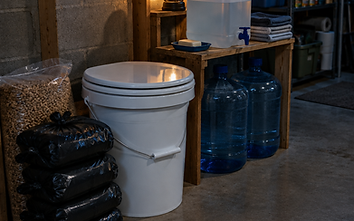
Home-canned food is a rotation asset with a 12 to 18 month practical life. Dry goods are the long game: rice, wheat, oats, beans, sugar, and salt in mylar with oxygen absorbers hold 10 to 25 years. Label everything with contents and date, store it dark and under 75°F, and rotate deliberately, because 200 jars with no rotation plan is a museum rather than a food supply.
What Not to Do
Do not open-kettle "can" by pouring hot food into jars, do not water bath low-acid food, and do not reuse lids or jars with chipped rims. Do not taste suspect food to test it: botulinum toxin is colorless, odorless, and tasteless, and a contaminated jar can look perfectly normal. Discard anything with a bulging lid, cloudy brine, spurting on opening, or an off smell. A failed seal in storage means the food is not safe, and a quart of beans costs a dollar, while the alternative is measured in an ICU.
Frequently Asked Questions
How long does food last in a freezer when the power goes out?
USDA guidance is that a full freezer holds its temperature for about 48 hours and a half-full freezer about 24 hours, provided you keep the door closed. Food that still has ice crystals or reads below 40°F can be refrozen, though texture will suffer. Anything that thawed completely and sat above 40°F for more than two hours should be cooked and eaten or discarded rather than refrozen.
Can I preserve food without a pressure canner?
Yes, but only for high-acid foods. Fruit, jams, pickles, and properly acidified tomatoes can be water bath canned safely. Meat, beans, corn, potatoes, and soups cannot. If you do not own a pressure canner, build your pantry around dehydration, root cellaring, salt curing, fermentation, and commercially canned goods rather than risk low-acid home canning.
How long does home-canned food actually keep?
Plan on 12 to 18 months for best quality and nutrition, with color and texture degrading after that. Seals can fail silently, so inspect jars before opening and never use one that has lost its vacuum. Commercially canned food, by contrast, is typically good for two to five years, and dry goods in mylar with oxygen absorbers run 10 to 25 years.
What temperature should a root cellar be?
Between 32°F and 40°F with 90-95% relative humidity is the target for most root crops, keeping them cold but above freezing. Winter squash prefers 50-55°F and drier air, and onions and garlic need dry, ventilated conditions. Measure both temperature and humidity inside the space rather than assuming, because dryness ruins a crop faster than cold does.
Is it safe to eat food from a jar with a bulging lid?
No. A bulging lid, liquid that spurts when you open the jar, cloudy brine, or an off odor are all grounds for immediate disposal, contents included. Botulinum toxin produces no reliable visible sign and no taste, so appearance is not evidence of safety. When you are uncertain about a high-acid item, boiling it for 10 minutes is a backup measure, but it is never a rescue for low-acid food you suspect.
Building a Pantry That Survives the Outage
Food preservation pays for itself before anything goes wrong. Every jar you can and every crate of potatoes in damp sand is money you did not spend and a week of calories you own outright. Start with the method that fits your space: a pressure canner if you have a heat source, a dehydrator and mylar if you live small, a cold garage corner if you have neither.
The rest of the picture matters too. Our guide to building a 12-month food storage program you will actually eat covers the quantities and rotation calendar that sit on top of these methods, and preparing for a long-term power blackout covers the fuel, heat, and lighting side of the same event. If cost is the constraint, the approach in preparing for economic collapse sequences spending so the pantry grows first. And because food you cannot keep clean is food you cannot keep, sanitation and hygiene when the grid goes down belongs on the same shelf.
Then check the other half of your readiness: what you would carry if you had to leave. The Bug-Out Bag Builder walks you through the load in about ten minutes and tells you what your bag is missing.
Get the next breakdown
New video articles, gear notes from the field and tool updates — one email a week.
No spam. Unsubscribe any time. We never sell subscriber data.