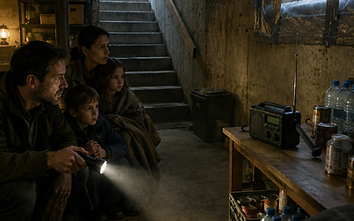
40 Things to Check Before the Next Emergency: A Household Prep Audit
Most preppers fail at the same thing, and it isn't buying gear. It's that the gear they already own quietly stops working in the closet: batteries leak, water goes stale, fuel degrades, medications expire, and canned food loses its seal. Then a storm hits and the kit you trusted turns out to be a museum of good intentions.
This walkthrough works through the check, replenish, recharge, rotate, and test routine across the supplies a household actually depends on, covering food and pantry rotation, water, fuel, backup power, medical, home safety, and evacuation. Below you'll find the core takeaways, the failure points worth checking first, and the items most worth keeping spares of.
Key Survival Takeaways
- Audit before you buy. Walk through your home and ask one question in each room: what still works here without electricity? The answers expose the real gaps faster than any shopping list, and they cost nothing to find.
- Rotate on a first-in, first-out rule. Stock the way a grocery store does. Older goods come forward, new goods go behind. That single habit prevents the most common and most expensive prepping mistake, which is discovering a decade of expired food.
- Test your gear, don't just own it. A generator that won't start, a radio with dead batteries, or a water filter with a cracked housing is worse than nothing because you budgeted confidence to it. Run the equipment on a schedule, not on the day you need it.
- Treat fuel and power as consumables with a clock. Stored fuel has a shelf life and small engines dislike old gas. Charge battery packs on a rotation rather than leaving them at zero, and keep the charging plan independent of the grid.
- Medical supplies expire quietly. Bandages lose sterility, ointments separate, and doses become guesswork. Check dates, replace what's gone, and add training so the supplies come with the skill to use them.
- Separate sanitation from everything else. Waste management is the failure most households never rehearse. Plan separate containers for solid and liquid waste, because consolidating them makes disposal enormously harder when it matters.
- Rehearse the plan, not just the supplies. A backyard campout with your actual kit surfaces holes a checklist cannot: the missing can opener, the dead headlamp, the water you can't lift.
Why Rotation Beats Stockpiling
There's a reason the checklist approach works better than a one-time buying spree. Supplies are not assets; they're perishable inventory with overlapping clocks. Water needs changing, food needs eating, batteries need cycling, and seals need inspecting. A pantry you never touch is not preparation, it's storage, and storage decays.
The fix is to build your emergency stock into ordinary life. Cook from it, drink from it, wear it. If your stored water is the water you actually drink, it never goes stale. If you practice testing and maintaining your water filter as part of normal use, you learn its flow rate and failure signs before you're depending on it. Rotation converts a static stash into a living system, and it means you always know the true condition of what you have.
The same logic applies to heat and power. If your backup heat plan has never been run, you don't have a backup heat plan, you have a hope. Our guide to heating a home during a power outage is worth reading alongside your audit, particularly the carbon monoxide rules, because the failure mode of a poorly planned heat source is not cold, it's poisoning.
Where Households Actually Fail
The pattern that emerges from any honest audit is consistent. People are usually strongest on food and weakest on three things: water volume, waste handling, and the small tools that make stored supplies usable at all. A pantry of canned goods with no manual can opener is a shelf of metal cylinders. A full water barrel with no way to move it is furniture.
Budget matters here, and it's worth saying plainly that readiness is not a spending contest. A dollar-store approach that gets the basics genuinely in place beats an expensive setup that's mostly unopened boxes. If cost is the constraint, start with the low-cost prepping plan and build outward from there.
Gear & Equipment
You don't need much to close the common gaps, but the few items below are the ones worth having on hand and keeping in rotation:
As an Amazon Associate, we earn from qualifying purchases.
Frequently Asked Questions
How often should I rotate emergency supplies?
Twice a year is the practical answer for most households, ideally tied to a seasonal change so you don't forget. Spring and fall work well because the risks shift: summer heat and storm season on one end, winter cold and ice on the other. Water and food need a formal check at each pass, while batteries, fuel, and medical supplies benefit from a quick monthly glance. The schedule matters less than the habit of actually doing it.
What should I check first if I only have an hour?
Water, then light, then heat. Those three failures cascade: no water affects cooking, sanitation, and medical care at once, and no light turns a manageable evening into a hazard. Check your stored water volume against your household size, confirm every flashlight and headlamp works, and verify your backup heat source is functional and safely vented. Food is rarely the first thing to fail because most homes already have several days of it.
Is a generator worth it, or is a battery station better?
They solve different problems. A fuel generator runs high-draw appliances like a fridge or well pump, but it needs stored fuel, outdoor placement, and regular exercise or it won't start. A battery station is quieter, safer indoors, and easier to maintain, but it stores a limited amount of energy and needs recharging. Many households are best served by a modest battery station for lights and devices plus a plan for the fridge, rather than one large machine they never test.
How much water does a household actually need?
Plan on roughly a gallon per person per day for drinking and basic hygiene, and more if you're cooking heavily, working outside, or managing a medical condition. Pets count too. That means a four-person household needs about fourteen gallons for a minimal three-day window, and dramatically more if you're planning for a two-week disruption. Storage you can't move is a problem, so favor smaller containers over one enormous one.
The Bottom Line
Preparedness is maintenance, not acquisition. The household that checks, rotates, and tests a modest supply beats the one that bought everything once and forgot it. Block out an afternoon, walk the house with a real list, and fix the boring failures first: water you can lift, light that works, heat that's safe, and food you can open.
Get the next breakdown
New video articles, gear notes from the field and tool updates — one email a week.
No spam. Unsubscribe any time. We never sell subscriber data.
Related reading